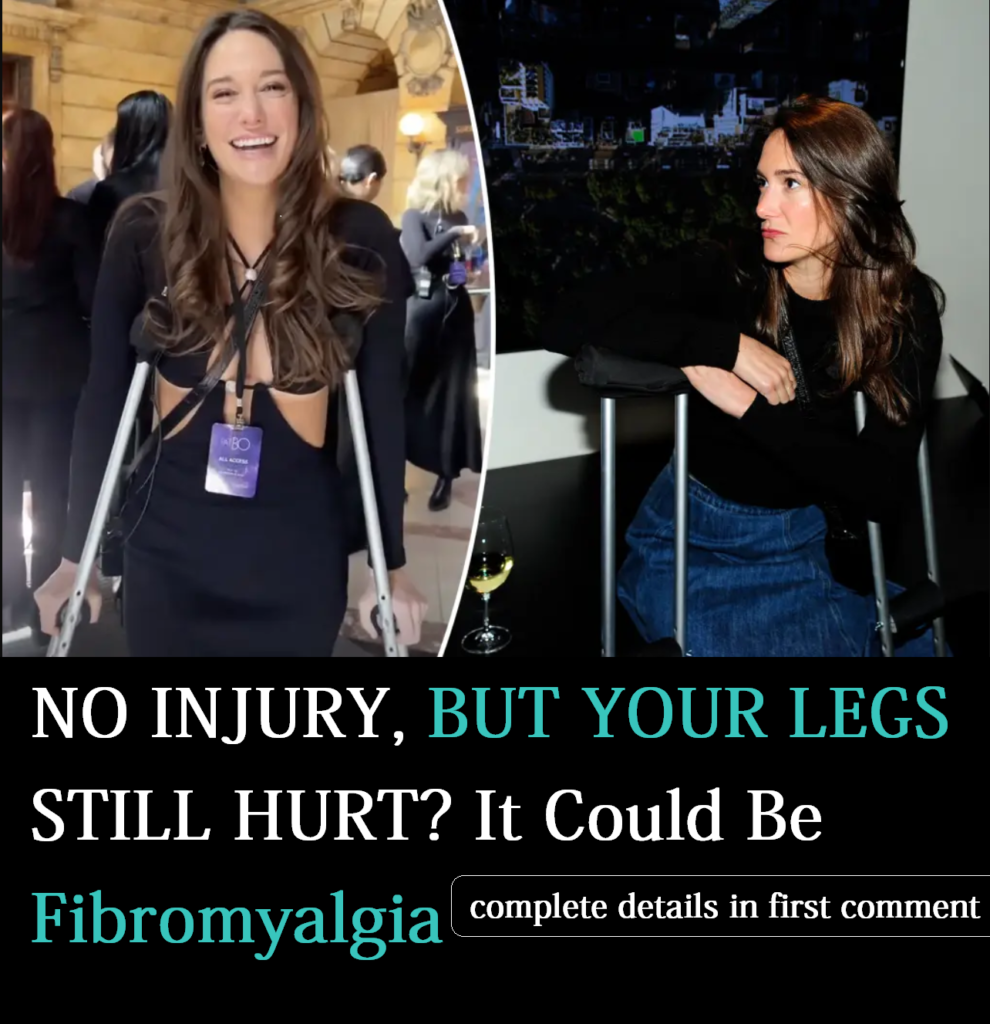
Fibromyalgia is a condition that defies the logic of visible pain. It leaves no external marks, no bleeding wounds, no bruises for the world to see. However, behind the body’s silence lies a persistent, chronic, and devastating pain that consumes the energy, mind, and hope of those who live with it.
Because, even though fibromyalgia doesn’t cause bleeding, it deserves to be recognized. And those who live with it deserve to be heard, supported, and understood.
There are some illnesses that announce themselves immediately. A broken bone may appear on an X-ray. A cut may bleed. A bruise leaves evidence on the skin. A fever can be measured.
Fibromyalgia is different.
A person can wake up with widespread pain, overwhelming fatigue, poor sleep, and difficulty thinking clearly—and still look completely fine to everyone around them.
That is one of the hardest things about living with fibromyalgia.
The pain is real, but it may not have anything visible to prove it.
Fibromyalgia is a chronic condition associated with widespread pain, fatigue, sleep difficulties, cognitive symptoms often called fibro fog, and increased sensitivity to different types of sensory input. Symptoms can vary greatly from one person to another and may change in intensity over time.
For someone living with the condition, an ordinary day can become a series of decisions about how much energy to spend, when to rest, what activities might trigger symptoms, and how to explain an illness that other people cannot see.
The absence of visible injury does not mean the absence of suffering.
What Does Fibromyalgia Pain Feel Like?
Fibromyalgia pain is often described as widespread rather than limited to one specific injured area. It may be experienced as aching, burning, stiffness, tenderness, throbbing, or a deep sensation of discomfort.
Some people describe it as feeling as though their entire body is unusually sensitive.
Pain may be felt in the:
- Neck and shoulders
- Upper and lower back
- Hips
- Arms and legs
- Hands and feet
- Chest or rib area
- Jaw and face
- Muscles and surrounding soft tissues
The location and intensity of symptoms can change. A person may have a relatively manageable morning and then experience significantly worse symptoms later in the day.
This unpredictability can make planning difficult.
Something as simple as walking around a shopping center, cleaning the house, attending a social event, or spending time with family may require more energy than other people realize.
Why Can Fibromyalgia Hurt Without an Obvious Injury?
Fibromyalgia is not simply a matter of muscles being damaged.
Researchers believe that altered pain processing in the nervous system plays an important role. In people with fibromyalgia, the nervous system may process pain and other sensory signals differently, contributing to increased sensitivity.
This helps explain why a person can experience significant pain even when routine imaging or laboratory tests do not reveal an obvious structural cause.
That does not mean the symptoms are imaginary.
It means that the experience of pain is more complicated than simply finding an injury on an X-ray.
Pain is a real biological experience, and the nervous system has an important role in how pain signals are processed and perceived.
Fibromyalgia Is More Than Widespread Pain
Pain is one of the best-known fibromyalgia symptoms, but it is not the only challenge.
Many people with fibromyalgia experience several symptoms at the same time. These symptoms can interact with one another, creating a cycle that affects physical health, concentration, mood, sleep, and everyday activities.
1. Extreme Fatigue
Fibromyalgia fatigue can be very different from ordinary tiredness.
After a normal busy day, a healthy person may feel tired and recover after sleeping. With fibromyalgia, fatigue can feel much deeper and may continue even after what appears to be enough rest.
Simple tasks can become exhausting.
Getting dressed, preparing food, working, driving, shopping, or taking care of household responsibilities may require considerable effort.
Some people describe having a limited amount of energy available each day. When that energy is spent too quickly, they may need significantly more time to recover.
2. Sleep Problems
Sleep and fibromyalgia often have a complicated relationship.
A person may fall asleep but wake repeatedly during the night. They may have difficulty getting comfortable because of pain or stiffness. Even after spending several hours in bed, they may wake feeling as though they barely rested.
Poor sleep can then make other symptoms harder to manage.
Pain may feel stronger. Concentration may become more difficult. Fatigue may increase. Irritability can appear more easily.
This is one reason why improving sleep is often an important part of managing fibromyalgia symptoms.
3. Fibro Fog and Concentration Problems
Another frustrating symptom is fibromyalgia brain fog, commonly called “fibro fog.”
Someone experiencing fibro fog may have trouble:
- Remembering names or words
- Concentrating on conversations
- Following complicated instructions
- Multitasking
- Finding the right word
- Remembering appointments
- Staying focused while reading or working
To an observer, the person may simply appear distracted.
But for someone experiencing it, brain fog can be frightening and frustrating.
Imagine knowing what you want to say but being unable to find the right word. Or reading the same paragraph several times because the information does not seem to stay in your mind.
These experiences can affect work, education, relationships, and confidence.
4. Sensitivity to Touch and Other Stimuli
Some people with fibromyalgia experience increased sensitivity to touch, sound, light, temperature, or other sensory stimuli.
A touch that seems harmless to another person may feel uncomfortable or painful.
Similarly, loud environments, bright lights, temperature changes, or certain fabrics may become difficult to tolerate.
This can make everyday environments surprisingly challenging.
The Invisible Nature of Fibromyalgia Can Be Painful in Its Own Way
Perhaps one of the most difficult aspects of an invisible illness is that other people may not understand what they cannot see.
A person with a visible injury usually does not need to explain why they cannot perform a particular activity.
Someone with fibromyalgia may have to explain repeatedly.
They may hear comments such as:
“You look fine.”
“But you were able to do that yesterday.”
“You don’t seem sick.”
“Maybe you’re just tired.”
These statements may be intended casually, but they can be deeply hurtful.
Fibromyalgia symptoms can fluctuate. A person may be able to attend an event one day and struggle to leave bed the next.
Being able to complete one activity does not mean the person can repeat it indefinitely without consequences.
The Problem With Looking “Fine”
People naturally judge what they can see.
That creates a difficult situation for individuals with invisible chronic conditions.
Someone may put on clean clothes, smile, go to work, and have a conversation while simultaneously experiencing significant pain.
A smile is not proof that someone is pain-free.
Going to work does not mean the person has unlimited energy.
Leaving the house does not mean symptoms have disappeared.
Sometimes people with fibromyalgia become experts at hiding their discomfort simply because they do not want to constantly explain themselves.
This can create another hidden burden: the emotional effort of appearing okay.
Fibromyalgia Flare-Ups Can Change an Entire Day
Fibromyalgia symptoms are not necessarily constant at the same intensity.
Many people experience periods when symptoms become significantly worse, often described as a fibromyalgia flare-up.
During a flare, pain, fatigue, sleep problems, stiffness, or cognitive difficulties may become more noticeable.
A flare can interfere with ordinary plans.
A person may have planned to meet friends, complete household chores, exercise, or attend an appointment. Then their symptoms become worse, and suddenly the plan feels impossible.
This unpredictability can be frustrating.
It can also create guilt.
People may feel guilty for canceling plans, asking for help, resting during the day, or not completing everything on their to-do list.
But living with a chronic condition often requires learning that rest is not laziness.
Sometimes rest is part of managing limited energy.
Everyday Activities Can Become Unexpected Challenges
One of the easiest ways to misunderstand fibromyalgia is to think only about the pain.
The bigger issue is often what the symptoms prevent someone from doing.
Consider an ordinary morning.
Getting out of bed may take longer because of stiffness. Showering may use more energy than expected. Getting dressed may require breaks. Preparing breakfast may feel exhausting.
Then comes work.
Concentrating through brain fog can be difficult. Sitting in one position may increase discomfort. Noise and bright lights may become distracting.
By the end of the day, the person may have very little energy left.
This is why living with fibromyalgia often involves pacing.
Pacing means balancing activity and rest rather than repeatedly pushing through symptoms until exhaustion forces a complete stop.
The goal is not necessarily to do everything on a good day.
The goal is to find a sustainable level of activity that respects the body’s limitations.
Why Fibromyalgia Awareness Matters
Greater fibromyalgia awareness can make a meaningful difference.
People living with invisible illnesses often do not need judgment. They need understanding.
A family member may help by believing what the person says about their symptoms.
A friend may avoid taking canceled plans personally.
An employer may consider reasonable flexibility where appropriate.
A healthcare professional can listen carefully and take symptoms seriously while also looking for other possible causes of symptoms.
These actions may seem small, but they can reduce the isolation that often accompanies chronic illness.
Believe People When They Describe Their Pain
One of the simplest forms of support is also one of the most powerful:
Listen.
A person does not need to prove pain by showing a bruise.
They do not need to look sick enough.
They do not need to explain every symptom perfectly.
Pain is subjective, and its absence from an X-ray does not make it imaginary.
Support can begin with a simple statement:
“I believe you.”
Finding Strength While Living With Chronic Pain
Fibromyalgia can take away spontaneity.
It can change routines.
It can make previously simple activities more complicated.
It can force people to cancel plans, modify goals, rest more often, and reconsider what they expect from themselves.
Yet people living with fibromyalgia continue to move forward.
Strength does not always look dramatic.
Sometimes strength is getting out of bed on a difficult morning.
Sometimes it is preparing a meal despite fatigue.
Sometimes it is going to work while managing symptoms.
Sometimes it is asking for help instead of pretending everything is fine.
And sometimes strength means accepting that today needs to be a slower day.
These small victories may be invisible to everyone else, but they matter.
Fibromyalgia Pain May Be Invisible, But the Person Is Not
Fibromyalgia does not always leave visible marks.
There may be no bleeding wound, obvious bruise, or image that clearly demonstrates what the person feels.
But that does not erase the experience.
Behind the invisible symptoms can be widespread pain, profound fatigue, disrupted sleep, brain fog, sensitivity, emotional frustration, and the constant challenge of deciding how much the body can handle.
The most important thing to remember is that invisible does not mean unreal.
People living with fibromyalgia deserve to be heard without being dismissed. They deserve compassion without having to constantly prove that they are struggling.
If you know someone with fibromyalgia, listen when they tell you they are having a difficult day. Offer practical help when appropriate. Avoid comparing their abilities from one day to another. Most importantly, understand that their symptoms can change even when their appearance does not.
And if you are living with fibromyalgia yourself, remember this:
Your pain does not need to be visible to be valid.
Your fatigue does not make you weak.
Needing rest does not mean you have failed.
Every day you continue despite symptoms is evidence of resilience.
Fibromyalgia may be an invisible illness, but the person living behind that invisible pain deserves to be seen, heard, respected, and supported.
Because fibromyalgia may not bleed—but it can still hurt deeply. And invisible pain is still pain.