Your Feet Feel Like They’re Burning—But There’s No Heat. Could It Be Fibromyalgia?”

Burning feet are one of the symptoms reported by many people with fibromyalgia, and they can be extremely uncomfortable, especially at night or after standing for long periods. This sensation is not simply ordinary discomfort; it may be related to changes in the central nervous system associated with fibromyalgia, which can make the nerves more sensitive to stimuli that would not normally cause pain in people without the condition. What Does Burning Foot Pain Feel Like in Fibromyalgia? ▪️ The sensation may feel as though the feet are on fire…

Read More

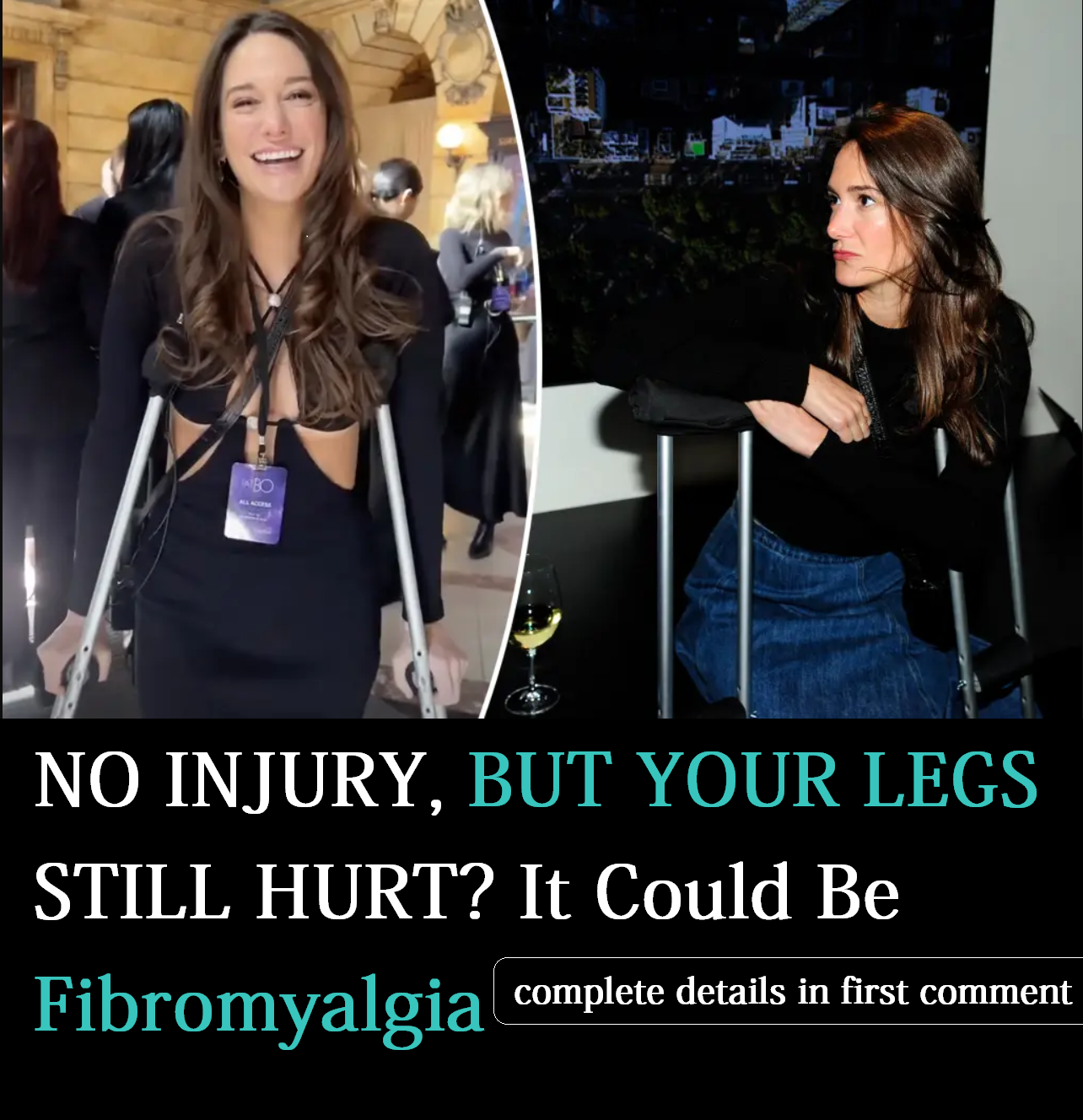
Did You Know NO INJURY, BUT YOUR LEGS STILL HURT? It Could Be Fibromyalgia

Pain in the legs is one of the most common, limiting, and misunderstood symptoms of fibromyalgia. It is not simply tiredness or ordinary muscle pain: it can be a deep, persistent, and often excruciating pain that may occur at rest, worsen at night, and interfere with simple tasks such as walking, standing, or even lying down. This text explains why leg pain occurs, how it manifests, and why it should not be underestimated. 🔸️ What does leg pain feel like in fibromyalgia? Everyone may experience it differently, but the most…

Read More

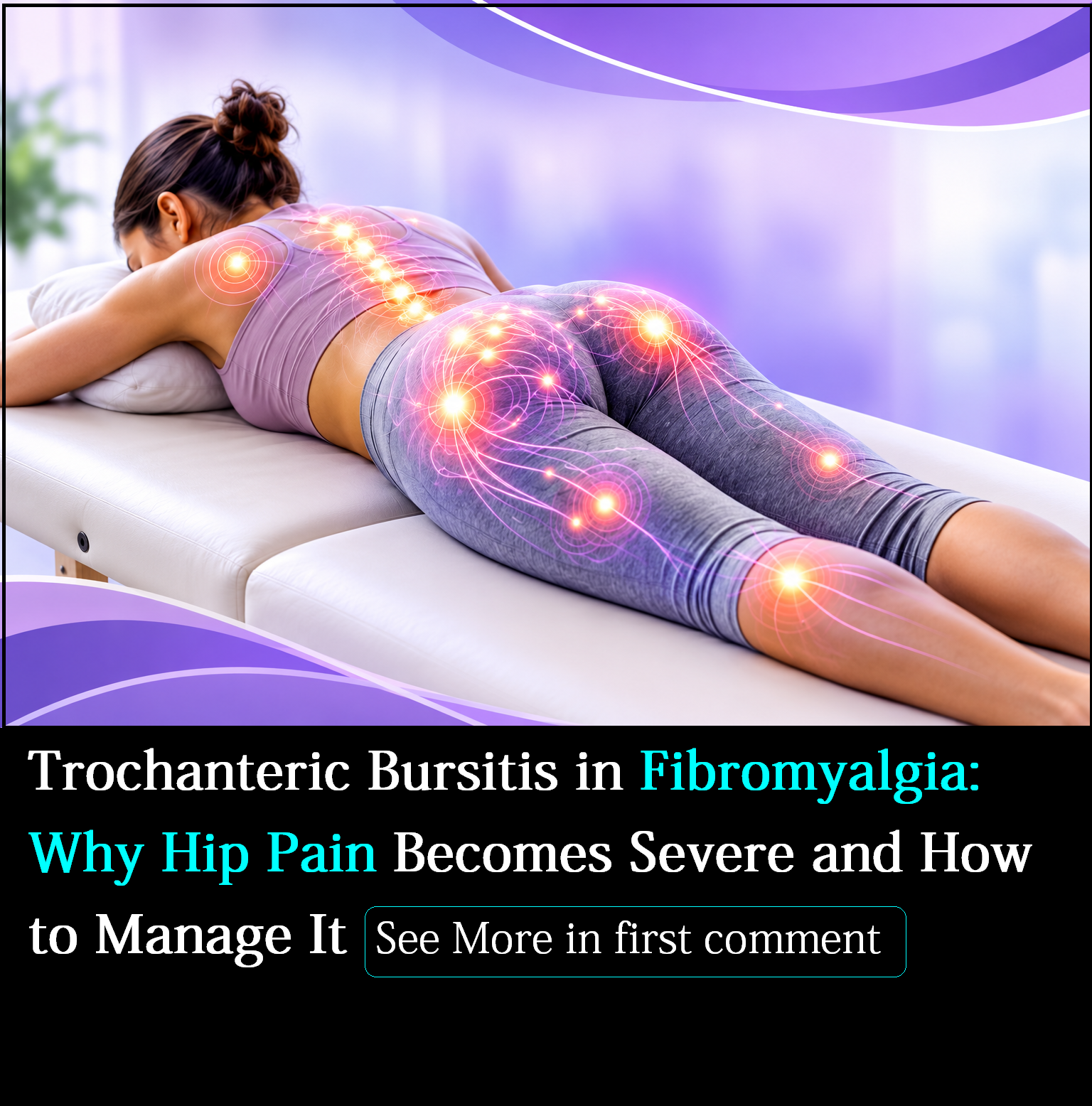
Did you know Why Hip Pain Becomes Severe and How to Manage It Trochanteric Bursitis in Fibromyalgia:

Understanding Trochanteric Bursitis Trochanteric bursitis refers to inflammation of a small fluid-filled sac called a bursa, located on the outer side of the hip near the greater trochanter of the femur. The bursa acts like a cushion or shock absorber between muscles, tendons, and bones. Its main role is to reduce friction when the hip moves. Under normal circumstances, this structure works silently in the background. However, when the bursa becomes inflamed due to overuse, pressure, injury, or biomechanical stress, it can cause noticeable discomfort. People with trochanteric bursitis typically…

Read More

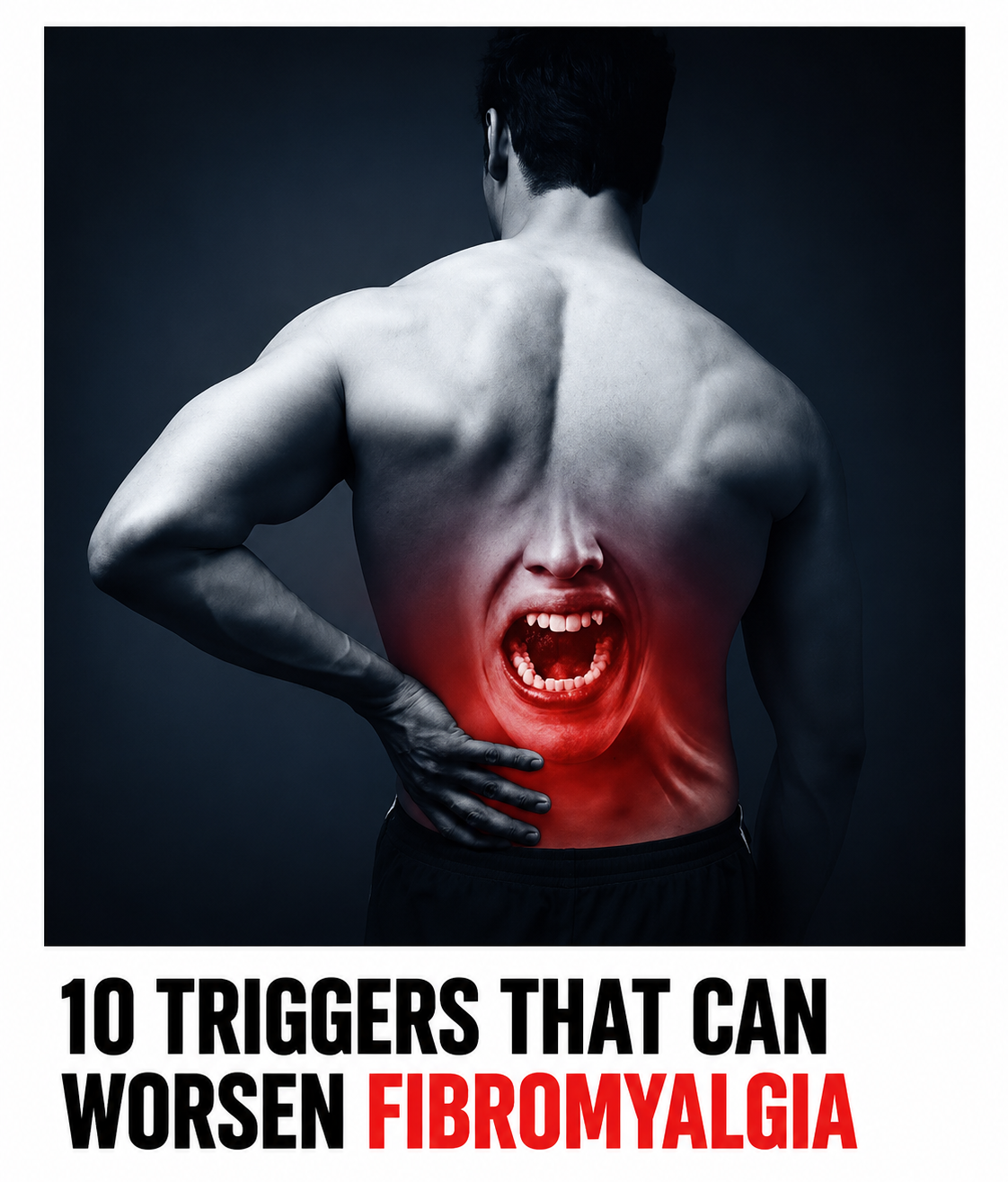
Did you Know 10 TRIGGERS THAT CAN WORSEN FIBROMYALGIA 👉 “Some May Surprise You!”

Fibromyalgia is a complex and sensitive condition, and its symptoms do not appear or worsen by chance. They are often influenced by triggers — internal or external situations that further disrupt the nervous system, intensifying pain, fatigue, and cognitive symptoms. Understanding these triggers is essential for reducing flare-ups and preserving energy. 1. Emotional StressStress is one of the main factors that can worsen fibromyalgia. Intense emotions keep the body in a constant state of alert, causing the brain to amplify pain signals even further. The greater the emotional tension, the…

Read More

Do you also feel this type of pain in your legs?

Fibromyalgia is a condition that causes widespread and chronic pain, but many people report that their legs are one of the most affected areas. This pain can change intensity throughout the day, vary from person to person, and even “migrate” between different parts of the leg — muscles, bones, joints, nerves, and ligaments. In addition to pain, the patient may feel weakness, tingling, stiffness, and even a feeling of weight, as if they had run a marathon without any effort. Types of leg pain in fibromyalgia Pain is not unique:…

Read More

Did you know Why Fibromyalgia Causes Shoulder, Arm, and Collarbone Pain

Understanding the Nervous System, Muscle Tension, and Daily Overload Fibromyalgia is a complex and often misunderstood chronic pain condition. While it is commonly associated with widespread body pain, many people living with fibromyalgia report persistent discomfort specifically in the shoulders, arms, neck, and collarbone (clavicle) region. This pain can feel deep, burning, heavy, stiff, or even electric, and it often interferes with daily tasks such as lifting objects, sitting at a desk, sleeping, or even wearing certain clothes. For those experiencing it, this pain is very real — yet medical…

Read More

You May Be Triggering Your Fibromyalgia Without Realizing It . 12 Things to Check.

Here are 12 common fibromyalgia triggers to watch for—and practical ways to reduce their impact. 1. Stress and Emotional Overload Stress is one of the most commonly reported factors associated with worsening fibromyalgia symptoms. Work pressure, financial worries, family problems, relationship difficulties, anxiety, and major life changes can all place additional demands on the body and mind. For someone already dealing with chronic pain and fatigue, prolonged stress may make it harder to cope with symptoms. Mayo Clinic notes that ongoing stress can trigger or worsen fibromyalgia, while stress-management techniques…

Read More

How Long Does a Fibromyalgia Attack Last? Understanding Flare-Ups, Recovery, and What to Expect

How Long Does a Fibromyalgia Attack Last? Living with fibromyalgia can be unpredictable. Some days you may feel capable of completing your normal routine, while other days even getting out of bed can seem impossible. One of the biggest questions many people ask after receiving a diagnosis is: How long does a fibromyalgia attack last? The answer isn’t always straightforward because fibromyalgia affects every person differently. A flare-up—or what many people call a fibromyalgia attack—can last anywhere from a few hours to several days or even weeks. The severity, duration,…

Read More

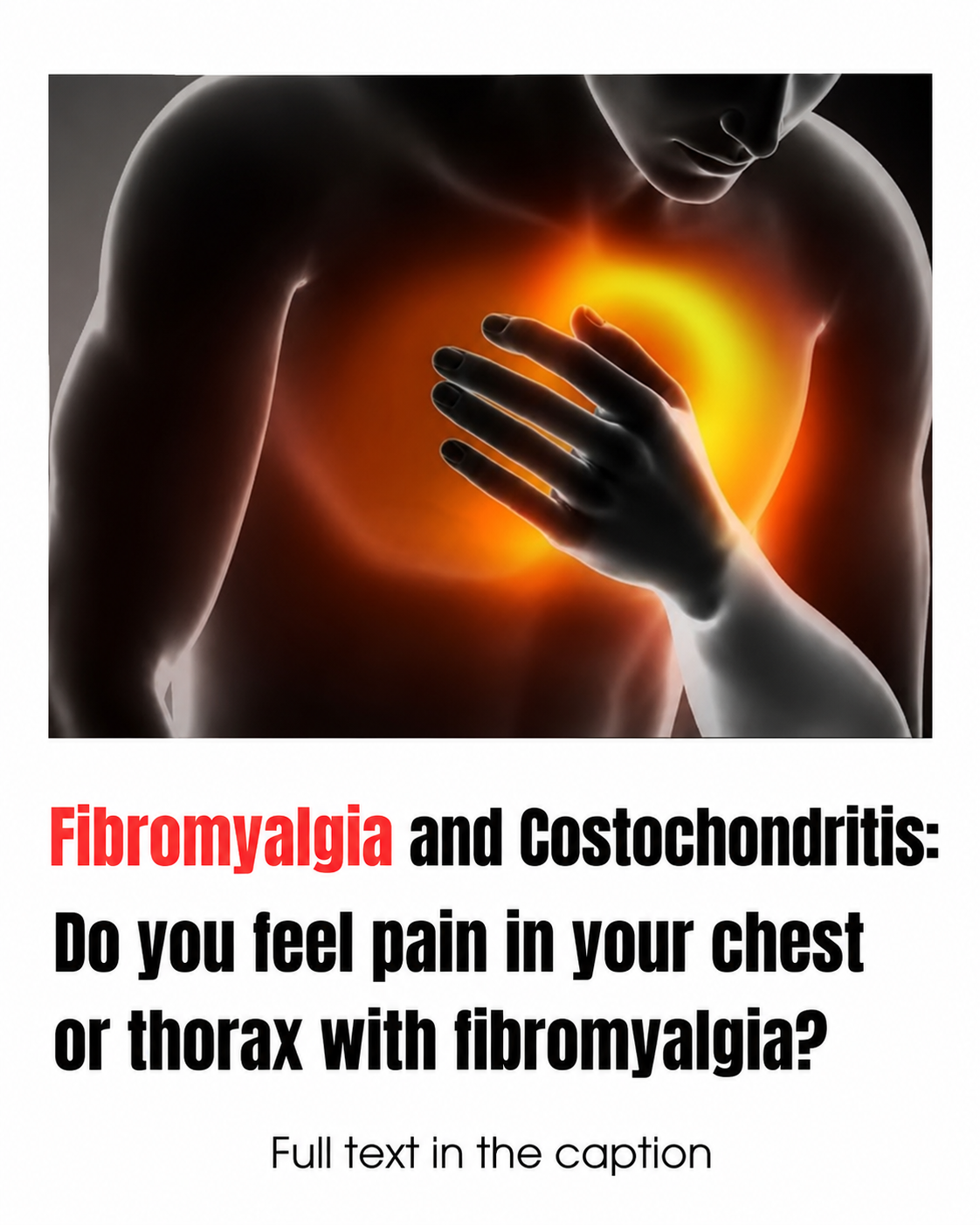
Fibromyalgia Chest Pain: Causes, Costochondritis, Symptoms, and When to Seek Help

Do you experience chest or thoracic pain with fibromyalgia? Yes, chest or thoracic pain can occur in people with fibromyalgia and is often related to costochondritis—an inflammation of the cartilage that connects the ribs to the sternum. When these two conditions coexist, the discomfort can be intense and frightening. In costochondritis, the pain is usually located in the anterior part of the chest, and may worsen when breathing deeply, coughing, sneezing, or pressing on the area. In those with fibromyalgia, this pain is perceived in an amplified way, due to…

Read More

Fibromyalgia Getting Worse? 10 Warning Signs Your Symptoms Are Escalating (And What to Do Next)

Fibromyalgia is a chronic condition with a fluctuating course, but there are clear signs that indicate when the condition is worsening and ceasing to respond to usual management strategies. Recognizing these signs early is essential to avoid worsening flare-ups, functional loss, and physical and emotional overload. One of the main warning signs is a progressive increase in pain, both in intensity and duration. When pain ceases to be episodic and becomes constant, more intense, or resistant to measures that previously provided relief, this may indicate a more pronounced state of…

Read More