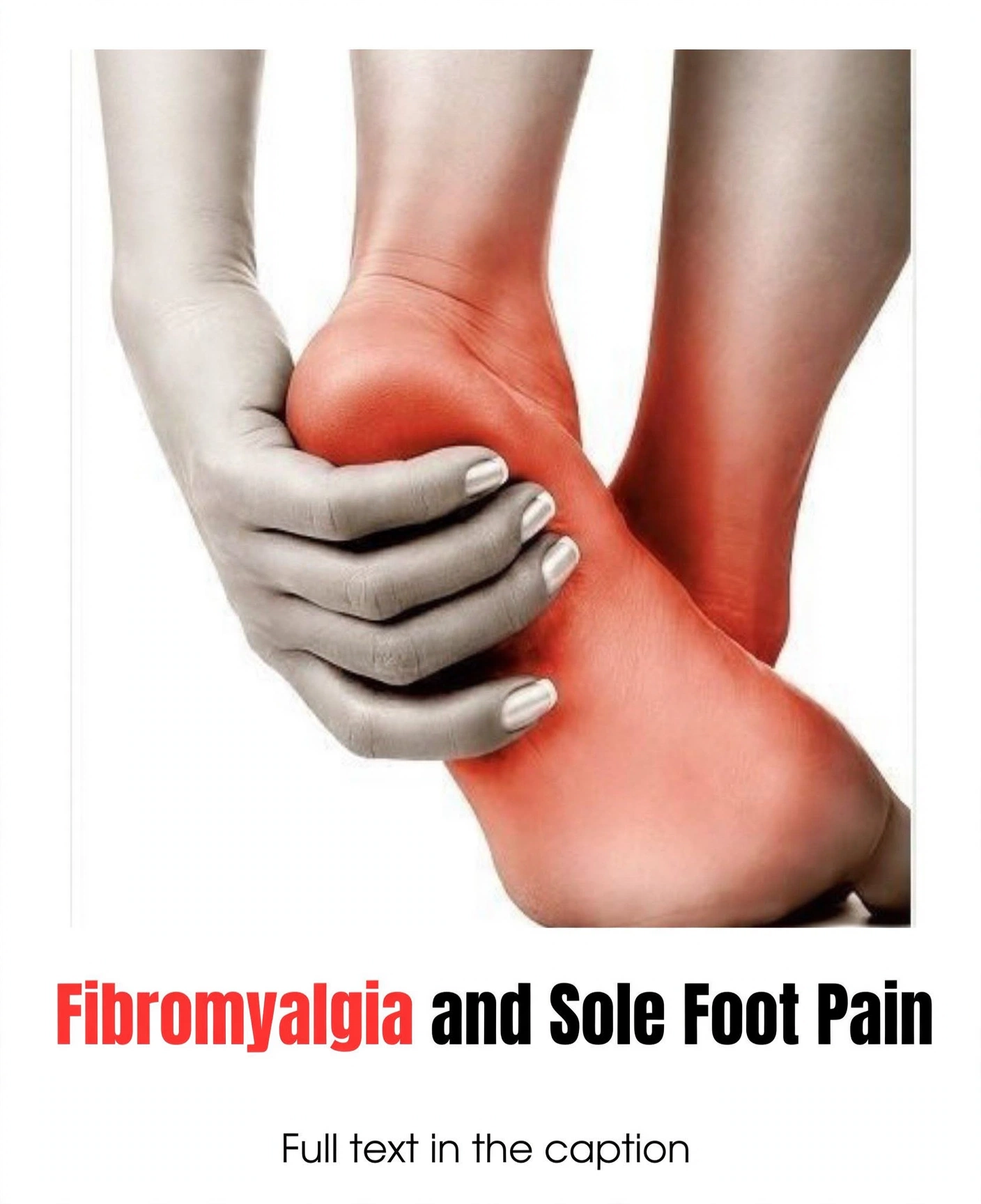
Fibromyalgia is a complex condition characterized by widespread chronic pain, fatigue, and other symptoms that affect quality of life. Among the many discomforts people report, pain in the soles of the feet can be particularly disabling, although it does not always receive the attention it deserves. Anyone living with this pain knows that something as seemingly simple as getting out of bed or taking the first steps of the day can become a real challenge.
What Does Fibromyalgia Foot Pain Feel Like?
The pain can vary in intensity and type, but it is often described as:
▪️ Burning or stinging – as if the soles are on fire.
▪️ Sharp or stabbing pain – sudden pain that may become worse when putting weight on the feet.
▪️ A feeling of heaviness or pressure – as if you are walking on stones.
▪️ Persistent, widespread pain – discomfort that may continue even while resting.
▪️ Morning stiffness – often more intense after waking, making the first steps of the day difficult.
This pain may be related to the increased sensitivity of the nervous system associated with fibromyalgia, but it can also be aggravated by secondary inflammation, postural changes, muscle tension, and even inappropriate footwear.
Types of Foot Pain and Its Impact on Daily Life
Discomfort in the soles of the feet may be constant or occur in flare-ups. It can often become worse during simple activities such as standing for long periods, walking, climbing stairs, or even sitting for extended periods.
This can directly affect mobility, independence, and even self-esteem because it may limit participation in everyday tasks and recreational activities.
What Can Help Relieve the Pain?
There is no single solution, but a combination of strategies may help:
▪️ Stretching and gentle exercises – particularly for the feet, ankles, and calves, which can help maintain flexibility and mobility.
▪️ Foot massage – either manually or with appropriate massage balls or rollers, to help relax the muscles.
▪️ Warm compresses – may help ease stiffness and relax the area.
▪️ Proper footwear – choose comfortable shoes with adequate cushioning and support.
▪️ Orthotic insoles – may reduce pressure and improve foot alignment while walking.
▪️ Hydration and skin care – can help prevent dryness and cracks that may increase sensitivity.
How Is Foot Pain Treated in Fibromyalgia?
Treatment should be individualized and may involve several approaches:
▪️ Medications – pain relievers, muscle relaxants, and medications specifically used for fibromyalgia, always under medical guidance.
▪️ Physical therapy – mobility techniques, strengthening exercises, and postural training.
▪️ Complementary therapies – acupuncture, hydrotherapy, Pilates, and yoga may provide relief for some people.
▪️ Stress management – meditation, deep breathing, and psychotherapy may help reduce symptom flare-ups.
▪️ Restorative sleep – adequate, quality sleep is important for managing pain and nervous-system sensitivity.
✨ Conclusion
Pain in the soles of the feet in people with fibromyalgia is real, limiting, and deserves attention. Recognizing the symptoms, finding appropriate ways to manage discomfort, and following an individualized treatment plan can make it easier to cope with this symptom.
Every step can be painful, but with proper care, information, and appropriate medical support, it may be possible to find ways to move with greater comfort.