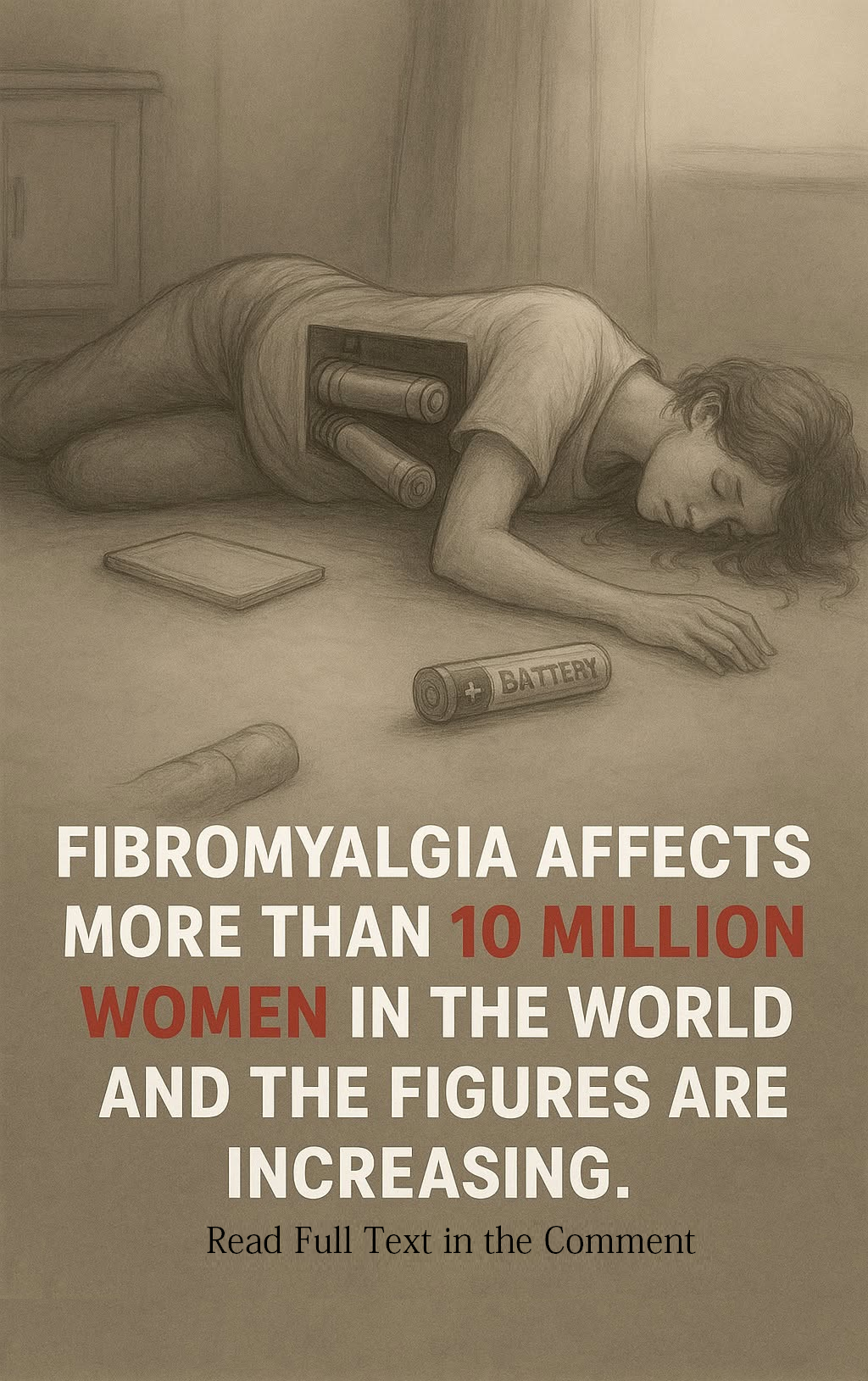
Fibromyalgia Affects Millions of Women Worldwide
The exact number of women living with fibromyalgia worldwide is uncertain, but research consistently shows that women are disproportionately affected.
Fibromyalgia is a chronic health condition associated with widespread pain, persistent fatigue, sleep disturbances, cognitive difficulties and a variety of other symptoms that can significantly affect everyday life. Millions of people around the world live with fibromyalgia, and women account for a large proportion of diagnosed cases.
The condition can affect a woman’s physical health, emotional well-being, relationships, career and ability to perform everyday tasks. Despite its impact, fibromyalgia remains misunderstood in many communities. Some women spend years searching for answers before receiving a diagnosis, while others struggle to explain their symptoms to family members, healthcare professionals or employers.
The growing attention surrounding fibromyalgia has raised important questions about how many women are affected, why women appear to develop the condition more frequently than men, whether reported cases are increasing and what medical research is revealing about this complex chronic pain disorder.
Although claims that more than 10 million women worldwide are affected by fibromyalgia may represent estimates for particular populations or datasets rather than a universally established global figure, the condition is a significant public health concern. Global prevalence estimates vary considerably depending on the diagnostic criteria, population studied and research methodology.
Fibromyalgia is not simply muscle soreness or ordinary tiredness. It is a complex condition involving changes in the way the nervous system processes pain, and it can affect multiple aspects of a person’s life.
Understanding fibromyalgia in women is an important step toward improving awareness, reducing stigma and helping people seek appropriate medical care.
How Many Women Worldwide Have Fibromyalgia?
Fibromyalgia prevalence estimates differ between countries and studies. Some studies report relatively low rates, while others identify considerably more people with the condition. These differences are partly explained by the diagnostic criteria used, the populations examined and whether researchers count diagnosed cases or people who meet symptom-based criteria.
A 2026 systematic review and meta-analysis examining research across 38 countries and more than 30 million individuals estimated that fibromyalgia affects approximately 1.40% of the general population, although the certainty of evidence was very low and variation between studies was substantial. Other research reviews have reported global estimates around 2% to 3%.
PubMed+1
Women are consistently more likely to be diagnosed with fibromyalgia than men in many studies.
A 2025 clinical guideline from France’s Haute Autorité de Santé estimated that fibromyalgia affects approximately 1.5% to 2% of the general population and that women are affected almost three times more frequently than men.
Haute Autorité de Santé
What the numbers tell us:
-
Fibromyalgia is estimated to affect approximately 1% to 3% of the global population in many research summaries.
-
Women are disproportionately represented in diagnosed cases.
-
Estimates vary depending on diagnostic criteria and the study population.
-
Millions of people may remain undiagnosed or unrecognized.
The statement that more than 10 million women worldwide have fibromyalgia should therefore be understood as a possible estimate, not an independently verified global count. The actual number could be substantially higher depending on the prevalence estimate and the population considered.
The lack of a universally agreed global count does not reduce the importance of the condition. Instead, it highlights the need for better epidemiological research and improved access to diagnosis.
Why Are Women More Likely to Develop Fibromyalgia?
The higher reported prevalence of fibromyalgia among women has been a subject of scientific interest for decades. Researchers have investigated hormonal influences, nervous-system functioning, genetics, stress responses, sleep patterns and other possible contributors.
However, there is no single confirmed explanation for why women are diagnosed with fibromyalgia more frequently.
Hormonal changes may play a role
Hormones influence several processes in the body, including pain perception, sleep, mood and stress responses. Researchers have investigated whether hormonal fluctuations associated with menstruation, pregnancy, menopause and other reproductive stages could influence pain sensitivity in some women.
Some women report changes in their fibromyalgia symptoms around their menstrual cycle or during menopause. Others notice no consistent relationship between hormonal changes and their symptoms.
Although hormonal influences remain an area of research, there is not enough evidence to conclude that hormonal changes alone cause fibromyalgia.
Differences in pain processing
Fibromyalgia is frequently associated with altered pain processing within the central nervous system.
People with fibromyalgia may experience increased sensitivity to pressure, touch, temperature or other stimuli. Signals that would ordinarily produce mild discomfort may sometimes be perceived as more painful.
Researchers are investigating whether differences in pain modulation, sensory processing and nervous-system signaling contribute to the higher prevalence reported among women.
The relationship is complex, and findings from individual studies should not be interpreted as proof that all women experience pain in the same way.
Genetics and family history
Fibromyalgia may occur more frequently among people with certain family histories, suggesting that genetic factors could contribute to susceptibility.
Genes involved in neurotransmitter signaling, stress responses and pain regulation have been investigated in fibromyalgia research. Genetic predisposition, however, does not mean that someone will inevitably develop the condition.
Environmental influences and other biological factors may also contribute.
Stress and physical or emotional experiences
Some women report that fibromyalgia symptoms began or became more noticeable following illness, surgery, injury, prolonged stress or significant life changes.
Researchers continue to examine how stress-related systems interact with pain processing and other biological mechanisms.
Stress is not the sole cause of fibromyalgia, and experiencing stress does not mean a person is responsible for developing the condition. Fibromyalgia is a complex disorder that cannot be explained by emotional factors alone.
Common Fibromyalgia Symptoms in Women
Fibromyalgia symptoms can vary significantly from one woman to another. Some experience persistent widespread pain, while others struggle more with fatigue, sleep disturbances, memory problems or sensitivity to light, sound and temperature.
Symptoms may fluctuate from day to day. A woman may have periods when she can manage everyday activities reasonably well, followed by a flare during which even simple tasks become difficult.
1. Widespread chronic pain

Widespread pain is one of the most recognized fibromyalgia symptoms.
Pain may be described as aching, burning, throbbing, stabbing, tingling or a deep muscular discomfort. It can affect the neck, shoulders, back, hips, arms, legs and other areas.
Some women experience pain in several body regions simultaneously, making it difficult to identify one specific source.
The intensity may change throughout the day or fluctuate over weeks and months. Physical activity, prolonged sitting, poor sleep or other factors may influence symptoms, although triggers differ between individuals.
2. Persistent fatigue

Fatigue is another common symptom of fibromyalgia.
Unlike ordinary tiredness after a busy day, fibromyalgia-related fatigue may persist even after resting. Some women describe feeling physically drained, mentally exhausted or unable to maintain their usual energy levels.
Fatigue can interfere with work, household responsibilities, social activities and exercise.
It may also contribute to a cycle in which pain disrupts sleep, poor sleep increases fatigue, and fatigue makes daily activities more difficult.
3. Sleep disturbances

Many women with fibromyalgia report difficulty falling asleep, frequent awakenings, unrefreshing sleep or feeling tired when they wake up.
Sleep disturbances can affect mood, concentration, pain sensitivity and daytime functioning.
Even when a person spends enough hours in bed, sleep may not feel restorative. Researchers continue to investigate the relationship between sleep regulation and chronic pain conditions.
4. Fibro fog and memory problems
Fibro fog is a term commonly used to describe cognitive difficulties associated with fibromyalgia.
It may involve:
-
Difficulty concentrating
-
Forgetting everyday information
-
Trouble finding words
-
Reduced mental clarity
-
Difficulty multitasking
-
Problems following conversations
These symptoms can become particularly frustrating during work, study or situations that require sustained concentration.
5. Depression and anxiety
Living with persistent pain, fatigue and unpredictable symptoms may affect emotional well-being.
Some women with fibromyalgia experience depression, anxiety or emotional distress. These symptoms may coexist with fibromyalgia and deserve appropriate attention and treatment.
Depression is not a requirement for fibromyalgia diagnosis, and fibromyalgia should never be dismissed as simply a psychological condition.
6. Additional symptoms
Fibromyalgia may also occur alongside other symptoms, including:
-
Headaches or migraine
-
Digestive problems
-
Irritable bowel symptoms
-
Sensitivity to temperature
-
Tingling sensations
-
Pelvic discomfort
-
Bladder-related symptoms
-
Jaw pain
-
Dizziness
Not everyone experiences all these symptoms, and some may be caused by other conditions that require separate evaluation.
Are Fibromyalgia Cases Increasing Worldwide?
The question of whether fibromyalgia cases are increasing worldwide is important, but it is not straightforward to answer.
An increase in diagnoses does not necessarily mean that the underlying condition is becoming more common at the same rate.
Several factors may contribute to an apparent increase in fibromyalgia cases.
Greater awareness of fibromyalgia
Fibromyalgia awareness has improved in recent years through social media, patient communities, healthcare education and research publications.
More women are recognizing symptoms that they previously considered unexplained fatigue, muscle pain or general weakness.
Greater awareness may encourage people to seek medical evaluation and help healthcare professionals identify the condition more frequently.
Improved recognition and diagnostic practices
Fibromyalgia diagnostic criteria have evolved over time.
Older approaches placed considerable emphasis on tender points, while newer criteria consider widespread pain, symptom severity and other clinical features.
Changes in diagnostic approaches can affect how many people are identified in population studies.
Some people who might not have been diagnosed under older criteria may now meet criteria for fibromyalgia.
More research into chronic pain
Fibromyalgia research continues to expand.
Scientists are investigating central sensitization, neuroinflammation, genetic influences, autonomic nervous-system changes, oxidative stress, sleep mechanisms and other biological pathways.
Greater research attention may improve recognition of the condition and encourage more accurate reporting of prevalence.
Challenges in healthcare access
Access to healthcare varies considerably across countries and communities.
Some women may have difficulty finding healthcare professionals familiar with fibromyalgia. Others may face financial barriers, limited access to specialists or challenges obtaining appropriate diagnostic assessments.
In areas where chronic pain conditions are poorly recognized, the number of diagnosed cases may underestimate the actual number of people living with fibromyalgia.
At present, increased awareness and diagnosis should not automatically be interpreted as proof that fibromyalgia is biologically increasing worldwide.
More consistent international research is needed to determine whether the incidence or prevalence of fibromyalgia is changing over time.
How Is Fibromyalgia Diagnosed in Women?
Diagnosing fibromyalgia can be challenging because there is no single blood test, scan or laboratory marker that definitively confirms the condition.
Healthcare professionals generally evaluate symptoms, medical history, physical examination findings and the presence of widespread pain over time.
The American College of Rheumatology criteria commonly consider widespread pain, symptom severity and the duration of symptoms. Fibromyalgia is generally considered when symptoms have been present for at least three months and the clinical criteria are met.
Doctors may also order blood tests or other investigations to evaluate conditions that can cause similar symptoms, such as thyroid disorders, inflammatory diseases, anemia or other medical problems.
The diagnostic process may include:
-
Reviewing the history of widespread pain.
-
Assessing fatigue, sleep and cognitive symptoms.
-
Evaluating symptom duration and severity.
-
Examining the patient for relevant findings.
-
Investigating other possible causes when appropriate.
Fibromyalgia can coexist with other medical conditions. Receiving a fibromyalgia diagnosis does not mean that every new symptom should automatically be attributed to fibromyalgia.
Women experiencing new, unusual or worsening symptoms should discuss them with a healthcare professional.
Fibromyalgia Treatment: What Can Help Women Manage Symptoms?
Although there is currently no universally effective cure for fibromyalgia, treatment strategies can help some people manage symptoms and improve their quality of life.
Treatment generally aims to reduce pain, improve sleep, support physical function, manage fatigue and address coexisting conditions.
Physical activity and gentle exercise
Appropriately paced physical activity may help some people with fibromyalgia.
Depending on individual abilities, activities may include walking, gentle stretching, water-based exercise, yoga or low-impact movement.
The goal is not to push through severe pain or exhaustion. Gradual progression and individualized activity planning are often more helpful than suddenly increasing exercise intensity.
Improving sleep habits
Maintaining a consistent sleep schedule, reducing stimulating activities before bedtime and creating a comfortable sleep environment may support better sleep.
Persistent sleep problems should be discussed with a healthcare professional because sleep disorders may coexist with fibromyalgia.
Psychological support
Cognitive behavioral therapy and other psychological approaches may help some people manage chronic pain, distress, coping difficulties and sleep-related concerns.
Psychological support does not mean the pain is imaginary. It is one approach to helping people manage the effects of a chronic condition.
Medications
Healthcare professionals may consider certain prescription medications to help manage fibromyalgia symptoms.
Medication choices depend on the patient’s symptoms, medical history, other medications and potential side effects.
No medication works for everyone, and treatment decisions should be individualized.
Pacing and energy management
Some women find it helpful to distribute activities throughout the day instead of completing everything during periods of higher energy.
Pacing may involve taking breaks, reducing unnecessary physical demands, planning activities and recognizing early signs of symptom flares.
These strategies may help make everyday routines more manageable.
Why Fibromyalgia Awareness Matters More Than Ever
Fibromyalgia is a significant chronic health condition that deserves greater recognition, research funding and public understanding.
Millions of women around the world may be living with widespread pain, fatigue, sleep disturbances and other symptoms that affect their daily lives. Some receive a diagnosis relatively quickly, while others spend years searching for an explanation.
Increasing awareness can help women recognize symptoms, seek medical advice and understand that fibromyalgia is a legitimate condition.
It can also encourage families, employers and communities to better understand the challenges associated with invisible chronic illnesses.
More research is needed to establish accurate global prevalence figures, investigate potential causes, improve diagnostic methods and develop more effective treatments.
The fact that women are disproportionately affected in many studies highlights the importance of research that examines sex differences, symptom patterns, diagnostic challenges and treatment outcomes.
Fibromyalgia is not a condition that should be dismissed simply because symptoms are invisible.
For millions of women, the pain, fatigue and limitations are real. Greater awareness, improved healthcare access and continued scientific research may help create a future in which women living with fibromyalgia receive better recognition, support and care.
Frequently Asked Questions (FAQs)
How many women worldwide have fibromyalgia?
There is no universally confirmed global count of women with fibromyalgia. Research estimates vary, but fibromyalgia is generally estimated to affect around 1% to 3% of the population in many studies, with women disproportionately affected.
Is fibromyalgia more common in women than men?
Yes. Most epidemiological studies report higher fibromyalgia prevalence in women than men, although the difference varies depending on the diagnostic criteria and population studied.
Why are women more likely to have fibromyalgia?
Researchers are investigating hormonal influences, genetic susceptibility, pain-processing mechanisms and other biological and environmental factors. No single cause has been established.
Are fibromyalgia cases increasing?
Diagnosed cases may appear to increase as awareness and diagnostic recognition improve. However, there is not enough consistent global evidence to establish that fibromyalgia itself is increasing worldwide at a uniform rate.
What are the most common fibromyalgia symptoms in women?
Common symptoms include widespread pain, fatigue, unrefreshing sleep, cognitive difficulties, headaches, sensitivity to touch and temperature, and sometimes depression or anxiety.
Can fibromyalgia be cured?
There is currently no established cure for fibromyalgia. However, individualized treatment and self-management strategies may help reduce symptoms and improve quality of life.