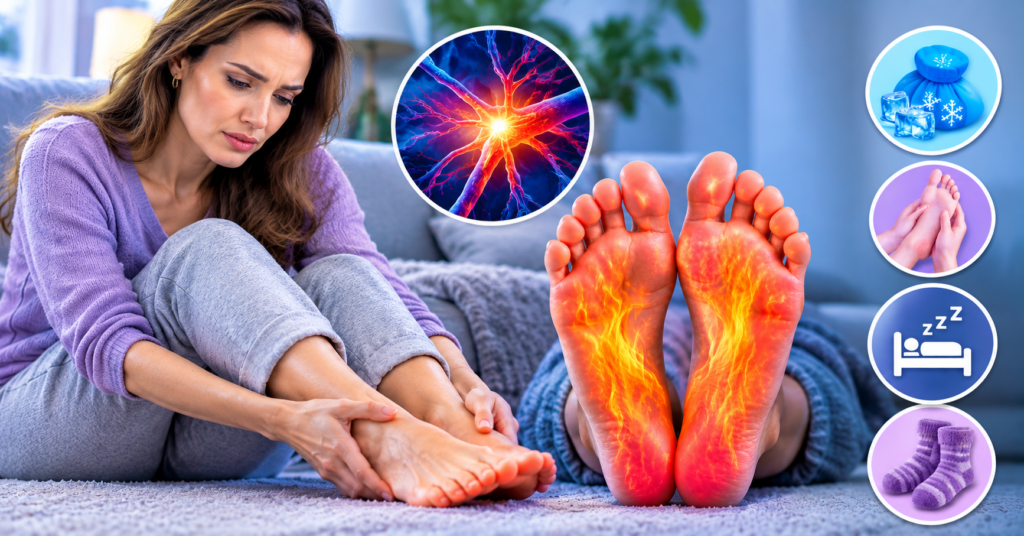
Fibromyalgia is mainly known for diffusing pain, but it can also involve sensory changes in the skin, including persistent itching, known as itching. Some people report feeling irritated skin, tingling, burning, or a constant urge to itch, even without visible signs of allergies, irritation or skin damage. These symptoms can occur in different regions of the body and vary in intensity over time.
The presence of itching in fibromyalgia does not necessarily indicate a skin disease. In many cases, this is linked to how the nervous system processes sensory stimulus. This hypersensitivity is part of the spectrum of manifestations of the condition, demonstrating that fibromyalgia can affect different types of body sensations beyond musculoskeletal pain.
Fibromyalgia is widely recognized for causing widespread muscle pain, fatigue, and tenderness, but many people are surprised to learn that it can also affect the skin. One lesser-known yet distressing symptom is persistent itching, sometimes described as crawling, tingling, burning, or a constant urge to scratch. For some individuals, this sensation appears without any visible rash, allergy, or skin irritation.
This symptom can be confusing and frustrating, especially when the skin looks completely normal. However, in fibromyalgia, the issue often does not begin in the skin itself. Instead, it is linked to how the brain and nervous system process sensory signals.
In this article, we will explore fibromyalgia itching, its causes, symptoms, the role of central sensitization, and practical ways to manage it, using search-friendly keywords to help readers find reliable information.
What Is Fibromyalgia Itching?
Fibromyalgia itching refers to a persistent or recurring sensation of itchiness that occurs as part of the broader symptom spectrum of fibromyalgia. Unlike itching caused by dry skin, eczema, insect bites, or allergies, this type of itch may appear without visible skin damage.
Many people with fibromyalgia describe it as:
- A deep internal itch
- Burning or stinging skin
- Tingling sensations
- Pins-and-needles feelings
- Skin hypersensitivity
- A crawling sensation under the skin
These symptoms may affect the:
- Arms
- Legs
- Back
- Neck
- Scalp
- Hands and feet
For some, the itching comes and goes in waves. For others, it becomes a chronic daily symptom that worsens during fibromyalgia flare-ups.
Research suggests that this sensation may be related to changes in the central nervous system and heightened sensory processing rather than a primary skin condition.
Why Does Fibromyalgia Cause Itching?
The main reason behind itching in fibromyalgia is believed to be central sensitization.
Central sensitization means the nervous system becomes overly sensitive and starts amplifying normal sensory signals. This is one of the most widely discussed mechanisms behind fibromyalgia symptoms.
Normally, the brain receives signals from nerves and interprets them appropriately. A light touch feels gentle. Mild temperature changes feel normal. But in fibromyalgia, the nervous system can misread these harmless signals as painful or irritating.
This same amplification that causes widespread pain can also intensify itch signals.
Instead of simply processing a normal sensation, the brain may interpret it as:
- itching
- burning
- pain
- skin discomfort
- hypersensitivity
This happens because pain and itch signals share overlapping neural pathways in the spinal cord and brain.
The Role of the Brain and Spinal Cord
Fibromyalgia is strongly linked to altered communication between the brain, spinal cord, and peripheral nerves.
The spinal cord acts as a signal highway, carrying information from the body to the brain. In fibromyalgia, this pathway may become overactive.
This means even mild skin sensations—such as fabric brushing against the body, temperature shifts, or pressure from clothing—can be amplified.
As a result, people may experience:
- intense itching
- burning skin
- allodynia (pain from light touch)
- tenderness
- surface skin pain
The brain may essentially “overinterpret” harmless sensations.
This is why many patients report that even soft clothing or bedsheets can feel irritating on the skin.
Scientific literature supports the idea that fibromyalgia involves abnormal sensory amplification in the central nervous system.
Common Skin Sensations in Fibromyalgia
Itching is often not the only sensory symptom.
Many people with fibromyalgia also experience unusual skin sensations, including:
Burning Skin Sensation
Some describe it as the skin feeling sunburned even when there is no redness.
Tingling and Numbness
Pins-and-needles feelings are common, especially in the hands, legs, and feet.
Crawling Sensation
A sensation like insects moving under the skin.
Hypersensitivity to Touch
Even light contact may feel painful or irritating.
Surface Pain
The skin may feel bruised or sore to touch.
These symptoms are all believed to stem from heightened nerve sensitivity.
Does Itching Mean a Skin Disease?
Not necessarily.
One of the most important things to understand is that itching in fibromyalgia does not automatically mean there is a skin disorder.
Many patients become worried about:
- eczema
- psoriasis
- dermatitis
- allergic reactions
- fungal infections
While these conditions should always be ruled out by a healthcare professional, fibromyalgia-related itching often occurs without any visible rash or inflammation.
The skin may appear perfectly normal.
That is because the root problem is usually neurological rather than dermatological.
However, excessive scratching can sometimes create redness, marks, or minor skin damage over time.
What Triggers Fibromyalgia Itching?
Several factors can make itching worse.
Stress
Emotional stress is a major trigger for fibromyalgia flares and can increase skin sensitivity.
Poor Sleep
Sleep deprivation increases central nervous system sensitivity.
Heat or Temperature Changes
Warm weather, sweating, or sudden cold exposure may worsen symptoms.
Tight Clothing
Friction from clothes can trigger hypersensitivity.
Fibromyalgia Flares
General symptom flare-ups often increase itching intensity.
Certain Medications
Some medications may cause itching as a side effect.
Can Fibromyalgia Itching Feel Like Neuropathy?
Yes, sometimes.
Fibromyalgia itching can resemble neuropathic itch, which occurs when nerves send abnormal signals.
Neuropathic itching is often described as:
- burning
- electric sensations
- deep itch
- nerve discomfort
This overlap can make diagnosis confusing.
In some cases, doctors may investigate other nerve-related conditions such as:
- peripheral neuropathy
- nerve compression
- vitamin deficiencies
- diabetes-related nerve symptoms
Recent clinical discussions on neuropathic itch support the idea that chronic itch can originate from nerve dysfunction rather than the skin.
How to Manage Fibromyalgia Itching
Although there is no single cure, several approaches may help.
1. Moisturize the Skin
Even if the itching is nerve-related, dry skin can worsen it.
Use fragrance-free moisturizers regularly.
2. Avoid Harsh Soaps
Gentle cleansers reduce additional irritation.
3. Wear Soft Clothing
Loose cotton clothes can reduce friction and touch sensitivity.
4. Manage Stress
Relaxation techniques may help calm the nervous system.
Try:
- deep breathing
- meditation
- light stretching
- yoga
5. Improve Sleep
Better sleep often reduces fibromyalgia symptoms overall.
6. Speak to a Doctor
Doctors may consider medications that target nerve sensitivity.
When to Seek Medical Advice
You should consult a healthcare professional if:
- the itching is severe
- it interferes with sleep
- there is visible rash
- skin bleeding occurs
- symptoms rapidly worsen
- numbness or weakness develops
This helps rule out other conditions.
Final Thoughts
Fibromyalgia is far more than muscle pain. It can affect how the body experiences touch, temperature, pain, and even itching.
Persistent itching in fibromyalgia is often linked to central sensitization and abnormal nerve signal processing, not necessarily a skin disorder.
Understanding this can help patients feel less confused and more empowered when discussing symptoms with a healthcare provider.