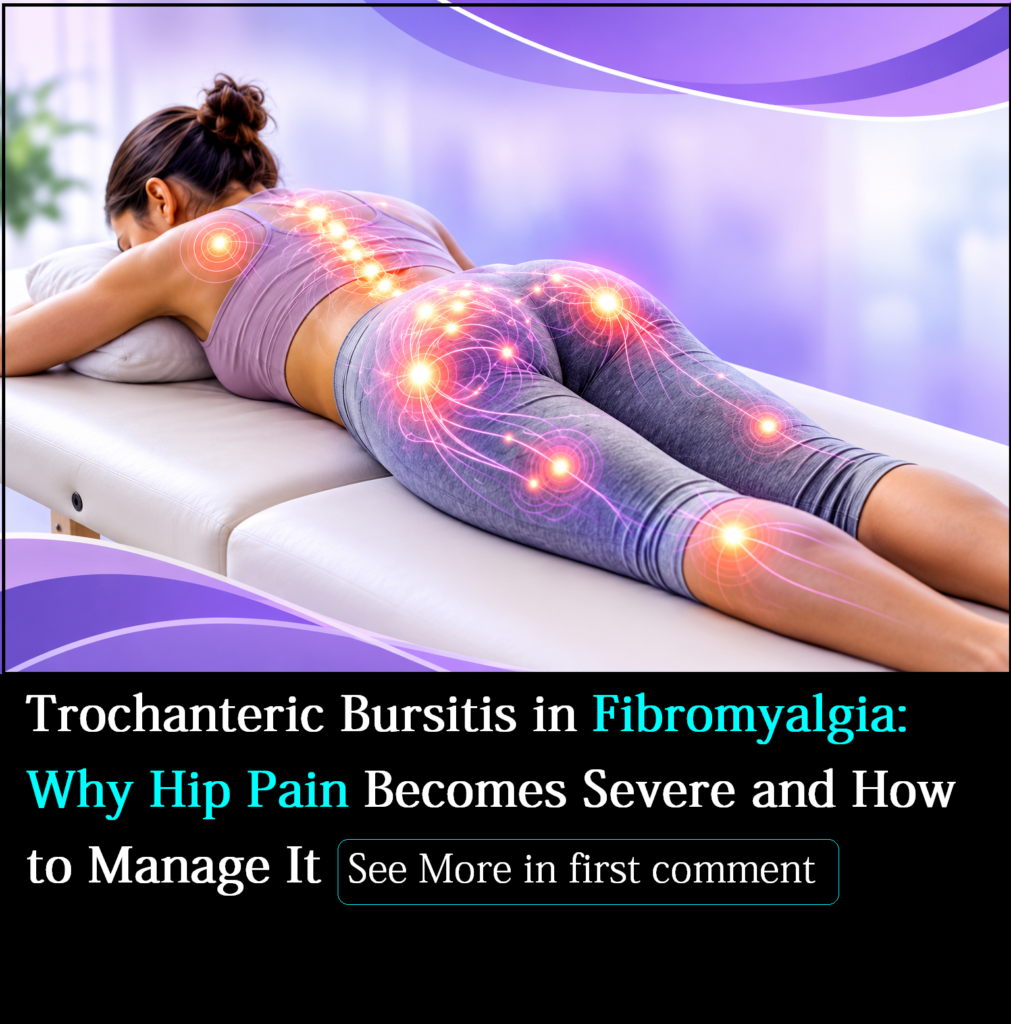
Fibromyalgia is far more than general body aches. For many people living with this condition, one of the most exhausting symptoms is the constant feeling of sore arms and heavy shoulders. Even simple daily tasks like brushing your hair, lifting a cup, carrying groceries, or holding your phone can suddenly feel overwhelming.
This type of pain is not the same as normal muscle tiredness after exercise. It is deeper, more persistent, and often seems to appear without any obvious physical reason. Many people describe it as feeling as though they are carrying invisible weight on their shoulders from the moment they wake up.
The shoulders, neck, and upper arms are among the most commonly affected areas in fibromyalgia because these regions naturally hold tension and stress. Research also notes that fibromyalgia pain often begins in the neck and shoulders before spreading more widely throughout the body.
In this article, we’ll explore why fibromyalgia causes arm pain, shoulder stiffness, weakness, and heaviness, what flare-ups feel like, and ways to manage these symptoms in everyday life.
Why Fibromyalgia Causes Sore Arms and Heavy Shoulders
One of the most frustrating parts of fibromyalgia is that the pain often seems disproportionate to what the body is doing.
You may wake up with aching shoulders even after sleeping. You may feel severe arm fatigue after doing something as simple as folding laundry or typing for a few minutes.
This happens because fibromyalgia affects how the central nervous system processes pain signals.
Instead of responding normally, the brain and nerves amplify sensations coming from muscles and soft tissues. Signals that might normally feel like mild discomfort can be interpreted as significant pain.
This phenomenon is often described as pain amplification or central sensitization. Medical sources consistently identify widespread musculoskeletal pain, including upper arm and shoulder pain, as a hallmark feature of fibromyalgia.
In simple terms, the body becomes overly sensitive.
A small amount of muscle tension in the shoulders may feel like severe pressure.
Holding your arms up for a short time may feel like lifting weights.
Resting your elbows on a table may suddenly become painful.
That is why the pain feels real, constant, and often much more intense than what others may expect.
Common Symptoms of Fibromyalgia in the Arms and Shoulders
Shoulder and arm pain in fibromyalgia can show up in different ways from person to person.
Some people experience a dull ache, while others feel sharp or burning pain.
Common symptoms include:
- deep aching in both shoulders
- upper arm soreness
- muscle stiffness
- burning or stabbing pain
- tingling sensations
- heaviness in the arms
- sudden weakness
- pain when lifting objects
- tenderness to touch
Many people also report that their arms feel as if they are “giving out.”
This weakness can be frightening because it may feel like the muscles are no longer supporting movement properly.
Studies involving upper limb control in fibromyalgia also found that pain and shoulder dysfunction can affect arm movement and stability.
This is why routine tasks such as:
- combing hair
- washing dishes
- reaching shelves
- carrying a handbag
- driving
can quickly trigger pain and fatigue.
Why the Shoulders Feel So Heavy
The sensation of “heavy shoulders” is one of the most commonly described experiences among people with fibromyalgia.
It often feels like there is a constant weight pressing down on the neck and upper back.
This happens for several reasons.
1. Muscle Tension
The neck and shoulder muscles naturally hold emotional and physical stress.
When fibromyalgia is present, this tension becomes magnified.
Even sitting at a desk or sleeping in one position can cause tightness.
2. Nerve Sensitivity
The nervous system becomes hypersensitive.
This makes normal sensations feel stronger and more painful.
3. Fatigue
Fibromyalgia-related fatigue makes muscles tire faster.
This contributes to the feeling that the arms are too heavy to lift.
4. Sleep Disturbances
Poor sleep is extremely common in fibromyalgia.
When muscles do not fully recover overnight, the shoulders often wake up sore and stiff.
Poor sleep and fatigue are closely linked with increased pain severity in fibromyalgia.
Pain That Spreads Beyond the Shoulders
Fibromyalgia pain rarely stays in one place.
Shoulder pain often spreads into nearby regions.
It may radiate into:
- the neck
- upper back
- shoulder blades
- chest
- forearms
- wrists
- hands
Some people also experience pain moving down into the fingers, along with numbness or tingling.
This radiating pain can sometimes feel similar to nerve pain or muscle strain, making it difficult to tell the difference.
Because fibromyalgia causes widespread pain patterns, symptoms often move from one area to another over time.
One day the pain may stay around the shoulders.
The next day it may spread down both arms.
This shifting nature is one reason fibromyalgia can feel so unpredictable.
What Happens During a Fibromyalgia Flare-Up
During a flare-up, shoulder and arm symptoms often become much worse.
Pain that is usually manageable may suddenly become intense.
Common flare-up symptoms include:
- severe heaviness
- arm weakness
- increased stiffness
- sharper pain
- difficulty lifting arms
- burning sensations
- extreme exhaustion
During these episodes, even simple movements can feel impossible.
Many people describe it as if their shoulders are carrying something too heavy to bear.
Stress, poor sleep, weather changes, overexertion, and emotional conflict can all trigger flare-ups.
Community experiences from people living with fibromyalgia frequently mention shoulder blade pain, arm weakness, and inability to raise the arms during bad flare days.
This lived experience highlights how real and disabling these symptoms can be.
How to Manage Shoulder and Arm Pain in Fibromyalgia
Although there is no single cure, there are ways to reduce pain and improve comfort.
Gentle Stretching
Slow shoulder rolls, neck stretches, and light arm movements can help reduce stiffness.
Avoid aggressive stretching during severe flare-ups.
Heat Therapy
A warm heating pad or hot shower can relax tense muscles and improve circulation.
Posture Support
Poor posture often worsens shoulder pain.
Keeping the shoulders relaxed and avoiding long periods of hunching can help.
Pacing Activities
Instead of doing tasks all at once, break them into smaller steps.
For example:
- fold clothes in short sessions
- rest between tasks
- avoid lifting heavy objects
Improve Sleep
Better sleep often reduces pain intensity.
Sleep hygiene is especially important in fibromyalgia management.
Stress Reduction
Stress frequently worsens muscle tightness in the shoulders.
Breathing exercises, meditation, and gentle walking may help.
Self-management strategies such as sleep improvement, daily exercise, and relaxation techniques are widely recommended for symptom relief.
When to Seek Medical Advice
While shoulder pain is common in fibromyalgia, new or one-sided pain should still be evaluated.
See a healthcare professional if you notice:
- sudden severe weakness
- loss of grip strength
- numbness in one arm
- chest pain
- swelling
- inability to move the shoulder
Sometimes symptoms may overlap with other conditions such as:
- frozen shoulder
- pinched nerves
- bursitis
- rotator cuff injury
It’s always important to rule out other possible causes.
Living with Invisible Pain Every Day
The hardest part of fibromyalgia for many people is that the pain is invisible.
Others may not understand why holding your arms up for a few minutes feels exhausting.
But this pain is real.
It is not laziness.
It is not weakness.
It is not “all in your head.”
Fibromyalgia changes the way the body experiences pain, making everyday life more physically demanding.
The sore arms, heavy shoulders, and constant fatigue are part of the daily reality for millions of people.
And that reality deserves understanding, support, and respect.