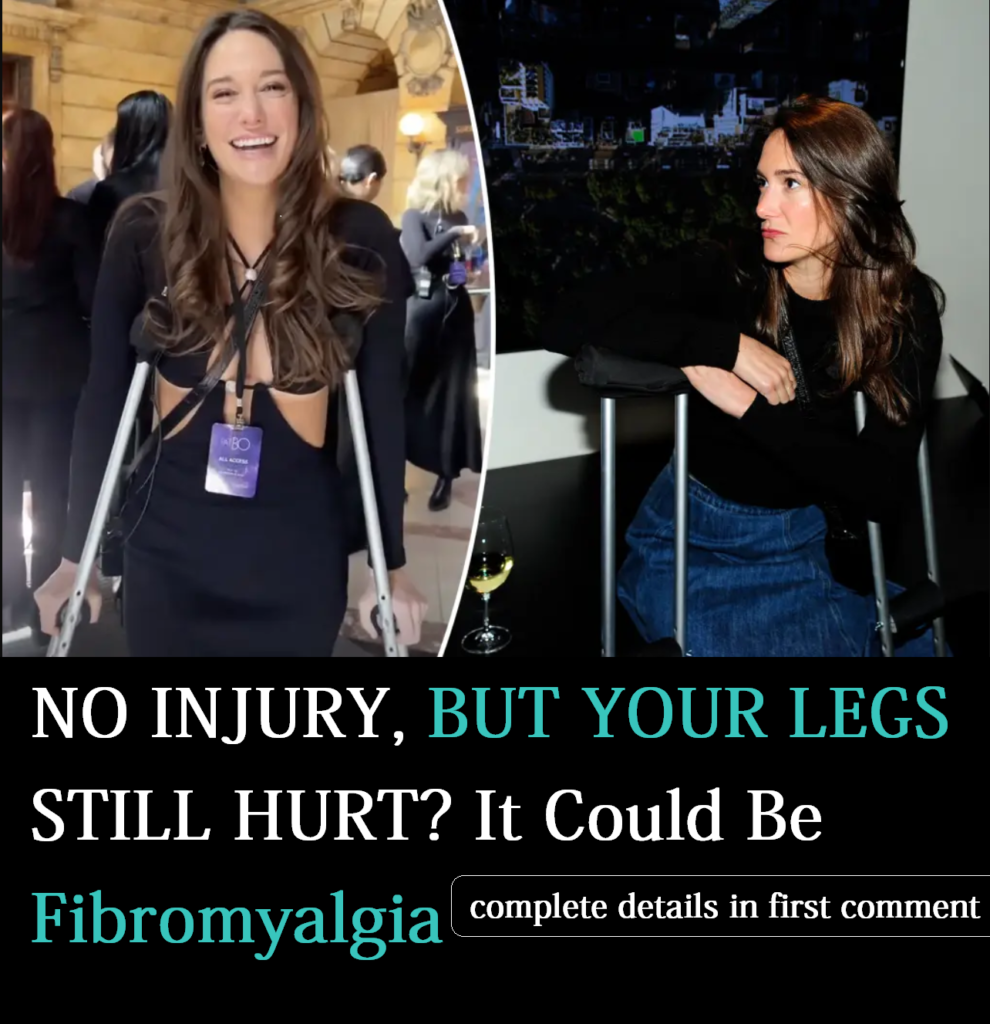
Loving someone with fibromyalgia is an experience that asks for patience, empathy, and a deep willingness to understand a condition that often remains invisible to the outside world. When people hear the word “fibromyalgia,” they usually think of general body pain—but the reality goes far beyond that.
If you love someone with fibromyalgia, keep in mind that they suffer from severe pain that varies from day to day and hour to hour. This unpredictability is one of the most challenging aspects of the condition, not only for those who live with it but also for those who care about them.
In this article, we’ll explore what fibromyalgia really feels like, why symptoms fluctuate, the emotional toll it takes, and—most importantly—how you can offer meaningful support.
What Is Fibromyalgia? A Simple Yet Honest Explanation
Fibromyalgia is a chronic condition that affects how the brain and nervous system process pain signals. Instead of reacting normally to physical stimuli, the body amplifies sensations, turning even mild pressure into significant discomfort.
People living with fibromyalgia often experience:
- Widespread muscle pain
- Deep fatigue that doesn’t improve with rest
- Sleep disturbances
- Brain fog (difficulty concentrating or remembering)
- Sensitivity to temperature, noise, or light
Unlike injuries or visible illnesses, fibromyalgia doesn’t show up clearly in standard tests. That’s why many people struggle for years before receiving a diagnosis—and even longer before being fully understood.
Why Fibromyalgia Pain Changes Constantly
One of the hardest things to grasp is the inconsistency of fibromyalgia symptoms. Someone may seem “fine” in the morning and completely exhausted or in pain by evening.
The Nature of Flare-Ups
Fibromyalgia symptoms tend to come in waves, often referred to as “flare-ups.” These can be triggered by:
- Physical activity (even light tasks)
- Emotional stress
- Weather changes
- Lack of sleep
- Hormonal shifts
During a flare, pain can intensify dramatically. Muscles may feel stiff, heavy, or as if they’ve been overworked—even without exertion.
Good Days vs. Bad Days
On a “good day,” your loved one might be able to go out, socialize, or complete tasks. On a “bad day,” even getting out of bed can feel impossible.
This doesn’t mean they are inconsistent or unreliable—it means their body is.
Understanding this distinction can prevent misunderstandings and frustration in relationships.
The Emotional Weight of Living With Chronic Pain
Fibromyalgia is not just physical—it deeply affects emotional and mental well-being.
Feeling Misunderstood
Because fibromyalgia is invisible, many people hear things like:
- “But you look fine.”
- “Maybe you’re just tired.”
- “It can’t be that bad.”
These comments, even when unintentional, can feel dismissive. Over time, this leads to feelings of isolation and loneliness.
Guilt and Frustration
People with fibromyalgia often feel guilty for:
- Canceling plans
- Not being able to keep up with responsibilities
- Depending on others for support
They may push themselves beyond their limits just to avoid disappointing others—only to pay for it later with increased pain.
Anxiety and Depression
Chronic pain is closely linked with emotional health challenges. The unpredictability of fibromyalgia can create anxiety, while long-term suffering can lead to depression.
Loving someone with fibromyalgia means recognizing that their emotional struggles are just as real as their physical pain.
How Fibromyalgia Affects Relationships
Every relationship—whether romantic, family, or friendship—feels the impact of chronic illness.
Communication Challenges
It can be difficult for your loved one to explain what they’re feeling, especially when the pain changes so often. They may not always have the words to describe it.
On the other side, you might feel unsure about how to respond or help.
Adjusting Expectations
Plans may change at the last minute. Activities might need to be modified. What used to be easy may now require careful planning.
This isn’t about lack of effort—it’s about limitations that are beyond their control.
The Importance of Patience
Patience becomes one of the most valuable qualities in any relationship affected by fibromyalgia. Understanding that their condition is unpredictable helps create a supportive environment instead of a stressful one.
Practical Ways to Support Someone With Fibromyalgia
Supporting a loved one with fibromyalgia doesn’t require perfection—it requires awareness, compassion, and small consistent actions.
1. Believe Their Pain
Even if you can’t see it, their pain is real. Validation is powerful. Simply saying, “I believe you” can mean more than you realize.
2. Be Flexible
Plans may need to change, sometimes at the last minute. Instead of reacting with frustration, try to adapt and reassure them that it’s okay.
3. Offer Help Without Pressure
Instead of saying, “Let me know if you need anything,” try specific offers like:
- “I can help with groceries today.”
- “Want me to handle dinner tonight?”
This reduces the burden of asking for help.
4. Learn Their Triggers
Over time, you’ll notice patterns—what makes their symptoms worse or better. Being aware of these triggers allows you to help them avoid unnecessary discomfort.
5. Encourage Rest Without Guilt
Rest is not laziness for someone with fibromyalgia—it’s necessary. Encourage them to take breaks without feeling guilty about it.
What Not to Say or Do
Sometimes, even well-meaning words can hurt. Avoid:
- Comparing their pain to normal tiredness
- Suggesting quick fixes like “just exercise more”
- Dismissing their condition as stress or imagination
- Taking canceled plans personally
Instead, focus on listening and understanding.
Small Things That Make a Big Difference
Support doesn’t always have to be grand. Often, it’s the little things that matter most:
- Checking in with a simple message
- Sitting quietly with them during a tough day
- Adjusting activities to match their energy level
- Celebrating small victories with them
These actions build trust and emotional safety.
Building a Stronger Connection Despite Fibromyalgia
Living with fibromyalgia can reshape a relationship—but it doesn’t have to weaken it. In many cases, it can actually deepen emotional connection.
Practice Open Communication
Talk honestly about feelings, limitations, and expectations. The more open you are, the easier it becomes to navigate challenges together.
Focus on What You Can Do Together
Instead of dwelling on limitations, find activities that are manageable and enjoyable:
- Watching movies
- Taking short walks
- Cooking simple meals together
Shared moments, no matter how small, keep the bond strong.
Be a Source of Stability
When someone’s body feels unpredictable, emotional stability becomes incredibly valuable. Being calm, supportive, and understanding creates a safe space for them.
Final Thoughts: Love Means Understanding the Invisible
Loving someone with fibromyalgia requires a shift in perspective. It’s about recognizing that pain isn’t always visible, that strength doesn’t always look strong, and that effort isn’t always obvious.
Remember this truth:
If you love someone with fibromyalgia, keep in mind that they suffer from severe pain that varies from day to day and hour to hour.
Your role isn’t to fix their condition—you can’t. But what you can do is stand beside them, believe them, and support them through the ups and downs.
In a world where they often feel misunderstood, your empathy can become their greatest comfort.