A landmark decision examined vulnerability and health conditions from a gender perspective.
The Seventh Panel of the Federal Regional Court of the 3rd Region overturned a previous ruling and ordered the INSS (Brazilian National Social Security Institute) to pay the Continuous Benefit Payment (BPC/Loas) to a 52-year-old housewife who lives with fibromyalgia, chronic pain, diabetes, and hypertension. The social security institution had denied the benefit, arguing that, despite being unable to work in the formal job market, the woman was capable of performing household chores.
The case rapporteur, Federal Judge Inês Virgínia, applied the CNJ’s Protocol for Judgment with a Gender Perspective and Law No. 15.176/2025 to recognize the plaintiff’s right. The decision considered that the assessment of disability and socioeconomic vulnerability needs to be biopsychosocial, valuing the care economy without penalizing women who perform unpaid domestic chores.
 You can apply for BPC even if you are able to perform simple household tasks, as long as there is an inability to work in the formal job market and social vulnerability.
This means that the assessment of disability by the INSS (Brazilian National Social Security Institute) and the Judiciary cannot consider physical fitness in isolation, but must also take into account social, economic, and gender factors.
People diagnosed with fibromyalgia and other long-term chronic illnesses have legal support to prove the financial hardship and destitution of their family unit.
Imagine going to bed in pain and waking up exhausted, as if the night were another battle rather than a period of rest.
For many people living with fibromyalgia, sleep does not necessarily restore the body. Pain can continue through the night, fatigue can remain intense in the morning, and even ordinary activities may require considerably more effort than they appear to demand.
Now imagine being told that, despite these limitations, you are not sufficiently disabled because you can still prepare a meal, clean part of your home, wash clothes, or perform other basic household tasks.
That question has become particularly important in Brazil following a decision involving a 52-year-old homemaker with fibromyalgia, chronic pain, diabetes, and hypertension. The case raised an important issue: Can a person be considered unable to participate in the formal labor market even if she can still perform some household activities?
The answer emerging from the decision is significant. Disability should not necessarily be judged simply by asking whether a person can perform isolated physical tasks. The broader picture can include health conditions, functional limitations, socioeconomic circumstances, employment prospects, personal circumstances, and the unpaid domestic and caregiving work that disproportionately falls on women.
The case also comes at an important moment in Brazilian law. Law No. 15,176/2025 amended Law No. 14,705/2023 and established a national program concerning people living with fibromyalgia, chronic fatigue syndrome, complex regional pain syndrome, and related conditions. The law provides that recognition of affected people as persons with disabilities is conditioned on a biopsychosocial assessment by a multidisciplinary and interdisciplinary team.
This does not mean that everyone with fibromyalgia automatically qualifies for BPC/LOAS. Instead, it reinforces the importance of evaluating how a person’s condition actually affects functioning, participation in society, and vulnerability.
What Is BPC/LOAS and Why Does Fibromyalgia Matter?
The Benefício de Prestação Continuada (BPC) is a Brazilian social-assistance benefit provided under the Organic Law of Social Assistance (LOAS). It can provide one minimum wage per month to an eligible older person or a person with a qualifying disability who meets the relevant socioeconomic requirements.
Importantly, BPC is different from an ordinary INSS retirement benefit. It is an assistential benefit, meaning that a person does not receive it simply because they have made social-security contributions.
For a person with a disability, the assessment involves more than the name of a diagnosis. The legal framework focuses on long-term impairments and how those impairments affect a person’s ability to participate fully and effectively in society on an equal basis with others. A person must also demonstrate the required socioeconomic vulnerability.
That distinction matters greatly for people with fibromyalgia.
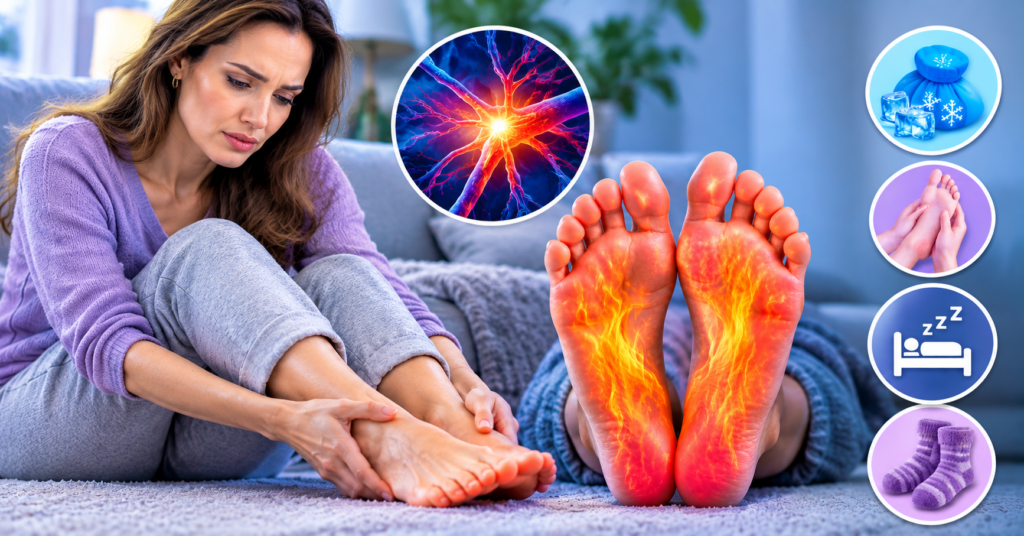
Fibromyalgia is often associated with widespread pain, persistent fatigue, sleep problems, cognitive difficulties, headaches, sensitivity to touch, and other symptoms. The severity and combination of symptoms can vary significantly from one person to another.
Someone may therefore be able to walk around the house for a short period but still struggle to maintain consistent attendance, concentration, productivity, physical endurance, or pace in a conventional workplace.
This is one reason why a functional assessment can be more informative than looking at a single task in isolation.
Being able to wash dishes for 20 minutes, for example, does not necessarily demonstrate an ability to work eight hours a day, five days a week, while meeting the physical, cognitive, and productivity demands of employment.
The same principle can apply to people who can occasionally cook, clean, shop, or care for family members but cannot reliably sustain paid employment.
The Landmark Fibromyalgia BPC Case and the Importance of Gender
The case described in the decision involved a 52-year-old homemaker living with fibromyalgia, chronic pain, diabetes, and hypertension. Her BPC request had been denied on the reasoning that, although she was unable to participate in the formal labor market, she could still perform household tasks.
The Federal Regional Court of the 3rd Region took a different approach.
The decision emphasized the importance of evaluating disability and vulnerability through a broader, gender-sensitive perspective. The reasoning recognized that unpaid domestic work should not automatically be treated as proof that a woman is capable of participating in the formal labor market.
This issue is particularly important because household work can be physically and mentally demanding.
Cooking, cleaning, carrying groceries, washing clothes, caring for children, organizing a household, and helping relatives may require substantial effort. Yet these activities are frequently unpaid and may be performed intermittently, according to an individual’s fluctuating capacity.
The court’s approach is consistent with an important principle found in other TRF3 decisions involving women and work: the fact that a woman performs household duties should not automatically be interpreted as evidence that she has no meaningful work-related limitations. In earlier decisions, Judge Inês Virgínia highlighted the importance of considering the socioeconomic, professional, cultural, and gender circumstances surrounding incapacity.
This is where the concept of the care economy becomes relevant.
Unpaid domestic and caregiving work has economic and social value even though it may not produce a conventional paycheck. Treating such work as proof of full work capacity can create an unfair standard, particularly when women are expected to continue managing household responsibilities despite chronic illness.
A person may therefore have limited capacity for paid employment while still doing whatever household tasks are necessary to keep a family functioning.
Why Being Able to Do Household Tasks Does Not Automatically Mean You Can Work
One of the most misunderstood aspects of chronic illness is the difference between performing an activity occasionally and sustaining employment consistently.
Consider someone with fibromyalgia who wakes up after a night of fragmented, non-restorative sleep.
She may eventually get out of bed, prepare breakfast, wash a few dishes, and sit down to rest.
Someone observing her from outside might conclude:
“She can do housework, so she must be able to work.”
But that conclusion may overlook the actual pattern of functioning.
Perhaps she needs frequent breaks. Perhaps pain increases after physical activity. Perhaps fatigue becomes overwhelming later in the day. Perhaps concentration deteriorates. Perhaps she experiences several severe flare-ups each month. Perhaps she cannot maintain a predictable schedule.
Employment generally requires more than the ability to complete an isolated task.
It can require arriving at a specific time, remaining productive for several hours, maintaining concentration, following instructions, interacting with colleagues or customers, meeting deadlines, maintaining attendance, and repeating the same level of performance day after day.
Fibromyalgia can make that consistency difficult for some individuals.
This is why a biopsychosocial assessment is important. Law No. 15.176/2025 specifically provides that the evaluation for recognition as a person with a disability must consider impairments in body functions and structures, environmental, psychological and personal factors, limitations in activities, and restrictions on participation in society.
The distinction is crucial:
Doing something is not necessarily the same as being capable of doing it consistently, safely, efficiently, and sustainably in the workplace.
What Law No. 15,176/2025 Means for People With Fibromyalgia
Brazil’s Law No. 15,176/2025 represents an important development for people living with fibromyalgia and related chronic conditions.
The law amended the existing legal framework to establish a national program addressing fibromyalgia, chronic fatigue syndrome, complex regional pain syndrome, and related diseases. Its provisions include multidisciplinary care, public information, professional training, support for affected individuals and families, encouragement of employment participation, and research.
One particularly important provision concerns disability recognition.
The law states that treating a person affected by the listed diseases as a person with a disability is conditioned on a biopsychosocial evaluation carried out by a multidisciplinary and interdisciplinary team. The evaluation considers physical and functional impairments as well as environmental, psychological, personal, activity, and participation factors.
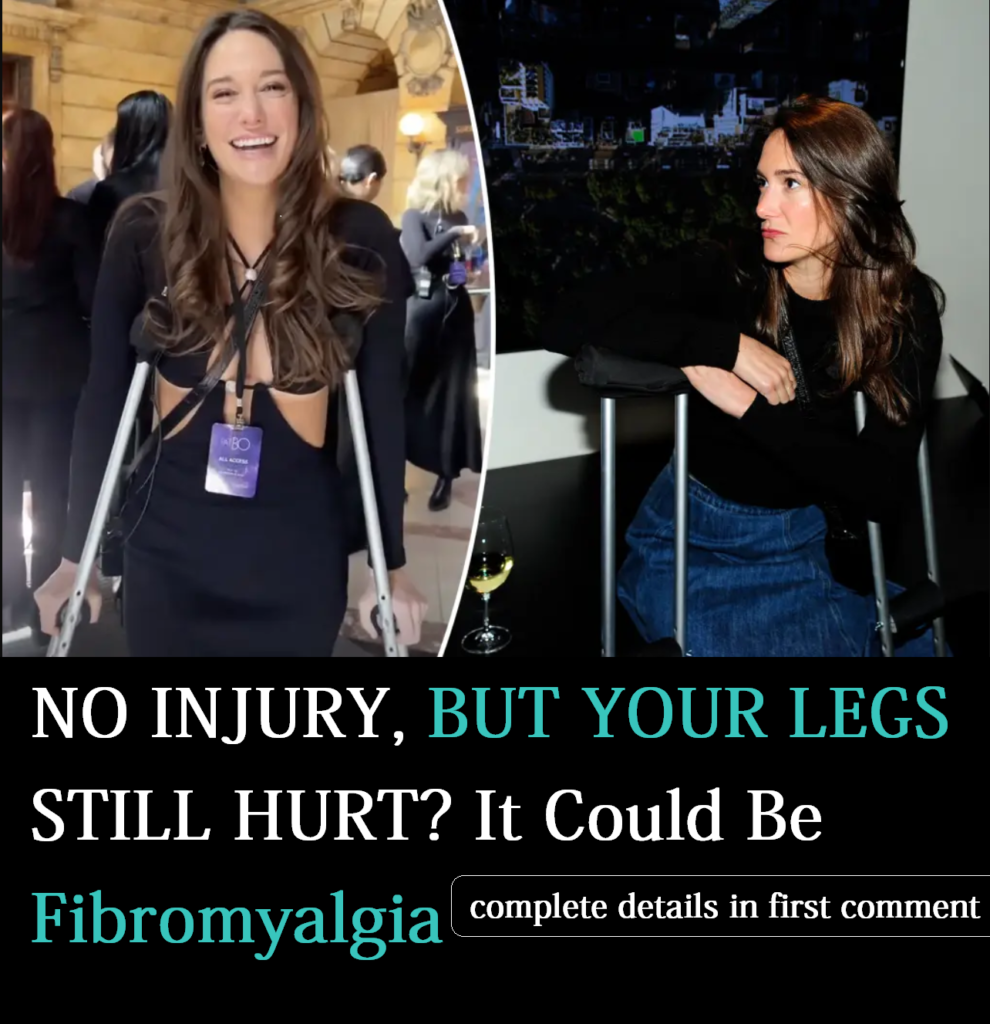
This is important because fibromyalgia is not always visible.
A person can look healthy while experiencing severe pain and exhaustion.
There may be no obvious cast, wheelchair, surgical scar, or visible physical impairment. Yet the person’s functional capacity can still be substantially affected.
The law therefore provides a framework that is more capable of recognizing the complexity of chronic illnesses than an approach based exclusively on visible physical limitations.
Law No. 15.176/2025 was published on July 24, 2025, and its provisions entered into force after a 180-day period.
However, it is important not to misunderstand the law.
A diagnosis of fibromyalgia alone does not automatically guarantee BPC/LOAS.
Eligibility still depends on the legal requirements, including the assessment of disability and socioeconomic vulnerability. The individual’s circumstances must be examined rather than assuming that every person with the same diagnosis has the same degree of limitation.
Fibromyalgia, Chronic Pain, and the Hidden Cost of Exhaustion
For people living with fibromyalgia, the hardest part may sometimes be explaining what cannot be seen.
Pain can become a constant background presence.
Sleep may stop feeling restorative. A person can spend eight hours in bed and wake up feeling as though they barely rested.
The day can begin with stiffness, aching, fatigue, and mental fog.
Then ordinary responsibilities begin.
Breakfast.
Cleaning.
Appointments.
Shopping.
Children.
Family responsibilities.
Work.
Paperwork.
Bills.
By the time the evening arrives, the body may feel completely depleted.
This cycle can be especially difficult for someone who is already living with other chronic conditions such as diabetes or hypertension.
Fatigue is not simply laziness.
Pain is not simply discomfort.
And being able to force yourself through one activity does not necessarily mean that you have the capacity to sustain normal employment.
This is one reason the legal discussion surrounding fibromyalgia and BPC disability benefits is so important. The central question should not be reduced to whether a person can perform a few basic tasks.
Instead, the assessment should consider the person’s overall functioning and circumstances.
How frequently does pain interfere with activities?
How long can the person remain active?
Are breaks necessary?
Does fatigue interfere with concentration?
Can the person maintain a regular schedule?
Are symptoms unpredictable?
Does treatment adequately control the condition?
What type of work could realistically be performed?
Are there educational, professional, geographic, or socioeconomic barriers to changing occupations?
And how does the condition affect participation in society?
These questions create a much more complete picture.
Can Someone With Fibromyalgia Apply for BPC/LOAS?
A person with fibromyalgia can seek BPC/LOAS when they believe they meet the legal requirements for the disability benefit.
However, it is safer to say “may qualify” rather than “automatically qualifies.”
The existence of fibromyalgia alone is not enough.
Similarly, being able to perform simple household tasks does not automatically disqualify someone.
The relevant assessment can involve the combined effect of long-term health problems, functional limitations, social circumstances, and economic vulnerability.
The official TRF3 jurisprudence also illustrates that BPC is not simply an employment-incapacity benefit. In one decision, the court explained that the benefit concerns a person with a qualifying long-term disability who cannot participate fully and effectively in society under equal conditions, together with the required proof of socioeconomic insufficiency.
Therefore, anyone considering an application should focus on documenting real-world limitations, rather than simply documenting the diagnosis.
Medical records may be important, but functional evidence can also matter.
For example, records may describe:
- widespread chronic pain;
- persistent fatigue;
- sleep disturbances;
- cognitive or concentration difficulties;
- limitations with prolonged standing or sitting;
- difficulty lifting, bending, walking, or maintaining repetitive activity;
- frequent symptom flares;
- side effects or limitations associated with treatment;
- coexisting conditions;
- the effect of symptoms on daily activities and employment.
The goal is not to exaggerate symptoms.
The goal is to accurately explain how the illness affects everyday life.
The Gender-Sensitive Approach Could Change How Disability Is Understood
The broader significance of this case goes beyond one woman’s BPC claim.
It raises a fundamental question about how society defines work.
For decades, unpaid domestic labor has often been invisible in economic discussions. Yet millions of people perform it every day.
Women, in particular, may continue caring for children, spouses, parents, or other relatives while simultaneously dealing with chronic illness.
If a woman manages to cook dinner despite severe pain, that action should not automatically be interpreted as evidence that she can maintain a full-time job.
In fact, the effort required to perform that task may demonstrate the opposite: she may be using a limited amount of available energy to meet essential household needs.
A gender-sensitive approach asks decision-makers to consider these realities rather than assuming that domestic work is effortless or universally sustainable.
The TRF3 has previously highlighted this issue, emphasizing that the fact that a woman performs household activities should not itself be treated as evidence against incapacity.
That perspective is especially relevant to fibromyalgia because symptoms can fluctuate dramatically.
A person may have a relatively manageable morning and experience a severe flare later.
Another day may be completely different.
The ability to complete one task on one day does not necessarily establish sustainable occupational capacity.
What People With Fibromyalgia Should Understand About Their Rights
The most important message is simple:
Fibromyalgia should not be evaluated solely by looking at the diagnosis or at whether a person can perform basic household activities.
The individual’s functional limitations and broader circumstances matter.
Law No. 15.176/2025 strengthens the importance of biopsychosocial assessment for fibromyalgia and related conditions, but it does not create an automatic entitlement to BPC for everyone diagnosed with the condition.
Anyone considering BPC/LOAS should therefore gather accurate medical documentation and information about their daily limitations and socioeconomic circumstances. Because BPC eligibility involves specific legal and administrative criteria, people with complicated cases may also benefit from speaking with a qualified Brazilian social-security lawyer or another appropriate legal professional.
Most importantly, applicants should describe their real experience honestly.
Explain what happens after physical activity.
Explain how long recovery takes.
Explain how pain affects concentration and sleep.
Explain whether symptoms prevent predictable attendance.
Explain what household activities can actually be performed and under what circumstances.
Explain the difference between completing a task occasionally and sustaining employment.
Those details can help decision-makers understand the person behind the diagnosis.
Final Thoughts: Disability Is More Than What People Can See
Fibromyalgia can take away sleep, energy, concentration, comfort, and confidence.
It can turn ordinary activities into exhausting challenges.
And for many people, one of the most painful experiences is being judged by what they can still manage to do rather than by the enormous effort required to do it.
The Brazilian BPC/LOAS case involving a homemaker with fibromyalgia, chronic pain, diabetes, and hypertension highlights why that approach deserves reconsideration.
The broader lesson is that disability assessment should look beyond isolated physical abilities.
A person can prepare a meal and still struggle to work.
A person can clean a room and still be unable to maintain a predictable employment schedule.
A person can care for a family member and still live with significant disability.
And a woman should not lose consideration for social protection simply because she continues performing unpaid domestic and caregiving responsibilities.
The development of gender-sensitive disability assessment, together with the biopsychosocial framework reinforced by Law No. 15.176/2025, represents an important step toward recognizing the complicated reality of chronic illness.
For people living with fibromyalgia, the message is not that a diagnosis guarantees benefits.
The message is that their entire situation deserves to be seen.
Their pain.
Their fatigue.
Their limitations.
Their household circumstances.
Their ability to participate in employment.
Their socioeconomic vulnerability.
And the enormous amount of unpaid work they may continue performing despite illness.
Sometimes, what looks like “doing ordinary things” from the outside is actually someone using every remaining bit of energy simply to get through the day.
That reality deserves to be considered when disability and social assistance are evaluated.
SEO Keywords: fibromyalgia disability benefits, fibromyalgia BPC LOAS, BPC for fibromyalgia, fibromyalgia and social security, fibromyalgia disability in Brazil, BPC LOAS requirements, fibromyalgia and disability benefits, fibromyalgia chronic pain disability, Law 15.176/2025 fibromyalgia, fibromyalgia person with disability, INSS fibromyalgia, fibromyalgia social assistance, fibromyalgia work disability, chronic pain disability benefits, biopsychosocial assessment fibromyalgia, gender-sensitive disability assessment, fibromyalgia and work, fibromyalgia legal rights, BPC disability benefit Brazil, fibromyalgia financial assistance.
Important: This article is for general informational purposes and is not legal advice. BPC/LOAS eligibility depends on the facts of each case and the applicable Brazilian legal and administrative requirements.