Lady Gaga Speaks Out About Fibromyalgia and Chronic Pain
Lady Gaga is known around the world for her music, powerful performances and fearless personality. But behind the spotlight, the award-winning singer has also faced a difficult health challenge that many people still misunderstand: fibromyalgia.
In September 2018, Gaga opened up about her experience with chronic pain in an interview for Vogue. During the conversation, she expressed frustration with people who questioned whether fibromyalgia was a real condition.
“I get so irritated with people who don’t believe fibromyalgia is real,” Gaga told Vogue. She also emphasized the importance of compassion for people living with chronic pain, explaining that symptoms can be unpredictable and affect everyday life. (Vogue)
Her comments resonated with people living with fibromyalgia, many of whom have experienced similar disbelief from friends, family members, coworkers or even healthcare professionals.
For someone living with an invisible illness, being questioned about the legitimacy of their pain can add another layer of emotional distress to an already challenging condition.
Gaga’s decision to speak openly about fibromyalgia helped bring attention to a disorder that is often difficult to explain, diagnose and manage.
Her message was not simply about her own health. It was also about the millions of people who experience chronic pain without always receiving understanding or support.
Why Lady Gaga’s Fibromyalgia Experience Matters
Lady Gaga first publicly revealed that she was living with fibromyalgia in September 2017. Around that time, she was experiencing severe physical pain that affected her ability to perform and forced her to postpone several European tour dates.
The singer also shared aspects of her health struggles in the Netflix documentary Gaga: Five Foot Two, which offered viewers a more personal look at the physical challenges she experienced while preparing for performances.
In her 2018 Vogue interview, Gaga discussed how she understood the relationship between her fibromyalgia, trauma, anxiety and other mental health challenges. She described experiencing nerve pain and explained that chronic pain could make it difficult to know how she would feel from one day to the next. (Vogue)
Her experience highlighted an important reality: fibromyalgia does not always look the way people expect an illness to look.
A person may appear healthy, smile during a conversation or attend an event while still experiencing significant pain.
For many people with fibromyalgia, symptoms fluctuate. Some days may be manageable, while other days can involve severe pain, exhaustion, sleep disturbances and difficulty concentrating.
Gaga’s openness helped challenge the assumption that someone who looks well must also feel well.
It also encouraged more public discussion about chronic pain, invisible disabilities and the importance of believing people when they describe their symptoms.
What Is Fibromyalgia? Understanding the Invisible Illness
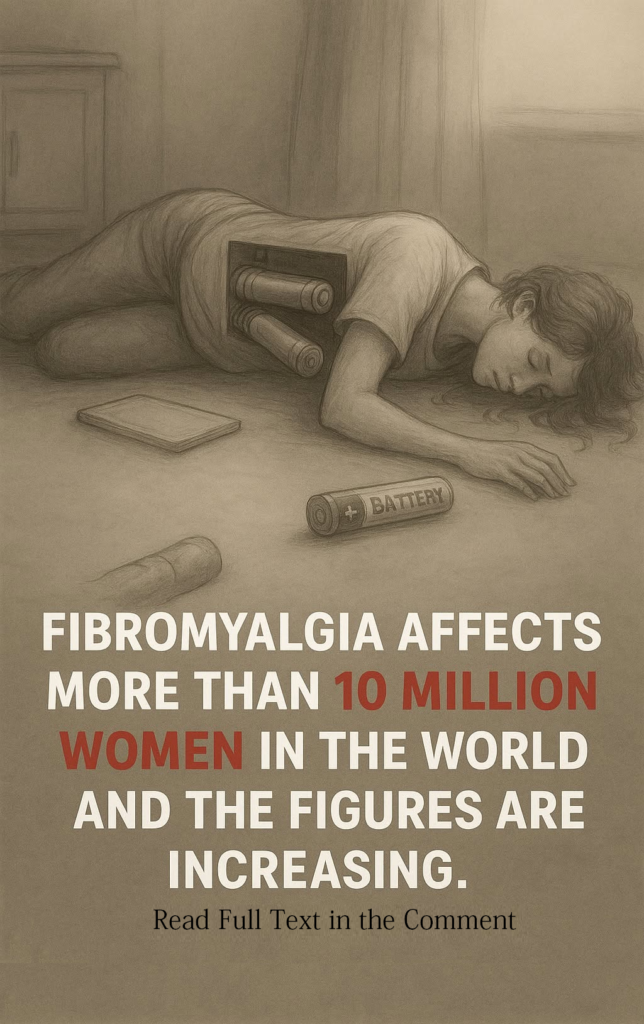
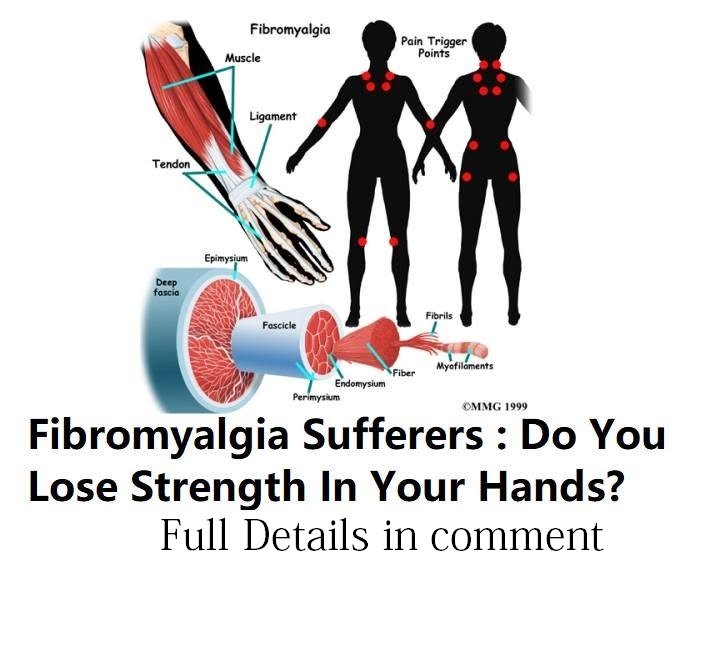
Fibromyalgia is a chronic condition characterized by widespread pain, fatigue, sleep problems and increased sensitivity to pain.
According to the National Institute of Arthritis and Musculoskeletal and Skin Diseases (NIAMS), fibromyalgia involves changes in how the nervous system processes pain signals. Scientists do not fully understand its causes, but research suggests that people with the condition may experience pain differently from those without it. (NIAMS)
Unlike conditions that may produce visible swelling, injuries or abnormalities on routine imaging, fibromyalgia can be difficult to identify through standard medical tests.
This does not mean the pain is imaginary.
Fibromyalgia is a recognized chronic pain disorder, and healthcare professionals diagnose it by evaluating symptoms, medical history and physical examination findings.
Common fibromyalgia symptoms
People with fibromyalgia may experience a wide range of symptoms, including:
- Widespread muscle and body pain
- Persistent fatigue and low energy
- Sleep difficulties and unrefreshing sleep
- Muscle stiffness and tenderness
- Fibro fog, including memory and concentration problems
- Headaches and migraines
- Tingling or numbness
- Increased sensitivity to light, sound, temperature or touch
- Digestive symptoms, including bloating and irritable bowel syndrome
- Anxiety or depression
Symptoms can differ significantly from one person to another. Some individuals experience pain throughout the body, while others notice certain areas becoming especially sensitive during a flare.
The Centers for Disease Control and Prevention (CDC) identifies widespread pain, fatigue, sleep problems, emotional distress and cognitive difficulties among the common features of fibromyalgia. (CDC)
Because symptoms can overlap with other medical conditions, a proper medical evaluation is important.
Why Do People With Fibromyalgia Face Disbelief?
One of the biggest challenges associated with fibromyalgia is that its symptoms are often invisible to others.
Someone experiencing a severe flare may not have a cast, visible wound or obvious physical sign that explains their pain. They may look completely normal while struggling to walk, work, sleep or complete everyday tasks.
This gap between appearance and experience can lead to harmful assumptions.
People with fibromyalgia may hear comments such as:
- “You look fine to me.”
- “Everyone gets tired.”
- “Maybe you just need more exercise.”
- “Your tests are normal, so nothing is wrong.”
- “It must be stress.”
- “You are too young to have this much pain.”
Although these statements may sometimes come from a lack of understanding rather than deliberate cruelty, they can make people feel dismissed.
Fibromyalgia is particularly challenging because there is no single laboratory test that confirms the condition. Doctors generally assess widespread pain and associated symptoms while considering other possible explanations.
The absence of a definitive test does not mean the condition is not real.
Many medical conditions require diagnosis through a combination of clinical history, examination and diagnostic criteria rather than one simple test.
For people living with chronic pain, being believed can make a meaningful difference in their ability to seek care and communicate their needs.
Lady Gaga, PTSD and the Connection Between Trauma and Chronic Pain
In her Vogue interview, Lady Gaga also discussed her experience with post-traumatic stress disorder (PTSD) and the effects of trauma on her health.
She shared her belief that trauma played a role in her fibromyalgia and described how anxiety, depression, panic and PTSD were connected to her personal experience of pain. (Vogue)
Her account brought attention to the complex relationship between mental health and chronic pain.
Researchers have investigated how stress, trauma, sleep disturbances and nervous-system responses may interact with chronic pain conditions.
However, it is important to understand that fibromyalgia is not simply a psychological illness.
The pain is real, and its development is complex. Trauma may be a contributing factor for some people, but not everyone with fibromyalgia has experienced trauma, and trauma does not automatically lead to fibromyalgia.
Similarly, experiencing depression or anxiety does not mean that physical symptoms are caused entirely by emotional distress.
Fibromyalgia can coexist with mental health conditions, and both deserve appropriate attention.
Gaga’s willingness to discuss her experiences helped demonstrate that physical health and emotional well-being are closely connected without making one less legitimate than the other.
How Fibromyalgia Can Affect Everyday Life
Living with fibromyalgia can involve challenges that extend far beyond physical discomfort.
Chronic pain may interfere with work, family responsibilities, social activities, exercise and personal relationships.
A person may plan to attend an event but cancel because of a sudden flare. They may need to rest after completing simple household tasks or struggle to concentrate during conversations because of fatigue and fibro fog.
One of the most difficult aspects is the unpredictable nature of symptoms.
A person might feel relatively well one day and experience a significant increase in pain the next.
This uncertainty can affect emotional well-being, particularly when others expect someone with a chronic condition to maintain the same level of activity every day.
Fibromyalgia flares and unpredictable symptoms
A fibromyalgia flare is a period when symptoms become more intense than usual.
During a flare, someone may experience:
- Increased widespread pain
- Severe fatigue
- Greater sensitivity to touch
- Difficulty sleeping
- More noticeable brain fog
- Increased stiffness
- Reduced ability to complete daily activities
Flares can vary in duration and severity. They may be associated with stress, poor sleep, illness, changes in activity or other individual triggers.
Not every flare has an obvious cause.
This unpredictability is one reason people with fibromyalgia often need flexibility, understanding and support from those around them.
Gaga’s description of waking up without knowing how she would feel reflected a challenge familiar to many people living with chronic pain.
Fibromyalgia Diagnosis: Why Medical Evaluation Matters
Fibromyalgia can be difficult to diagnose because its symptoms overlap with several other conditions.
There is currently no single blood test or imaging scan that independently confirms fibromyalgia.
According to NIAMS, healthcare professionals typically review a person’s medical history, assess widespread pain and associated symptoms, and conduct a physical examination. Laboratory tests or imaging may be used to investigate other possible causes of symptoms. (NIAMS)
A medical evaluation may consider conditions such as thyroid disorders, inflammatory diseases, sleep disorders or other causes of persistent fatigue and pain.
Receiving a diagnosis can help people understand their symptoms and develop an appropriate management plan.
It can also provide reassurance that their experiences are being taken seriously.
Anyone experiencing persistent widespread pain, unexplained fatigue or ongoing sleep difficulties should consider discussing their symptoms with a qualified healthcare professional.
Treatment and Support for People Living With Fibromyalgia
Although there is currently no cure for fibromyalgia, treatment and self-management strategies can help many people reduce symptoms and improve quality of life.
The most appropriate approach depends on a person’s symptoms, medical history and individual needs.
Healthcare professionals may recommend a combination of approaches, including:
Physical activity: Gentle, gradually increased movement may help improve physical function. Activities such as walking, stretching or water-based exercise can be considered according to individual tolerance.
Sleep management: Maintaining a regular sleep schedule and addressing sleep disorders may help reduce fatigue and improve overall well-being.
Medication: Certain prescription medicines may help manage pain, sleep difficulties or related symptoms. Treatment decisions should be made with a healthcare professional.
Psychological support: Cognitive behavioral therapy and other supportive approaches may help people cope with the emotional and practical effects of chronic pain.
Stress management: Relaxation techniques, pacing and appropriate rest may help some individuals manage symptom fluctuations.
Patient education: Understanding fibromyalgia can help people recognize their symptoms, communicate with healthcare providers and make informed decisions about treatment.
The CDC notes that fibromyalgia symptoms can be managed through self-care, therapies and medicines, although treatment needs vary between individuals. (CDC)
Importantly, people should not be told that they simply need to think positively or try harder. Supportive care recognizes both the physical symptoms and the emotional challenges of living with a chronic condition.
How Family and Friends Can Support Someone With Fibromyalgia
Lady Gaga’s call for greater compassion is a reminder that support from family, friends and communities matters.
People do not need to fully understand every aspect of fibromyalgia to treat someone living with it respectfully.
Simple actions can make a difference:
- Listen without questioning whether the pain is real.
- Avoid comparing their symptoms with ordinary tiredness or muscle soreness.
- Understand that plans may change because of a flare.
- Offer practical help without making the person feel guilty.
- Respect their need for rest and personal boundaries.
- Encourage medical care without pressuring them into unproven treatments.
- Recognize that good days do not mean the illness has disappeared.
A supportive response might be as simple as saying, “I believe you. What would help you today?”
For someone who has repeatedly experienced disbelief, that kind of understanding can be deeply meaningful.
Lady Gaga’s Message Continues to Raise Fibromyalgia Awareness
Lady Gaga’s comments about fibromyalgia remain relevant because misconceptions about invisible illnesses continue to affect people living with chronic pain.
Her public discussions helped bring fibromyalgia into conversations that might otherwise have focused only on celebrity performances, music releases or tour cancellations.
By sharing her personal experience, she encouraged people to look beyond appearances and recognize the difficulties that chronic illness can create.
Her story also highlights an important distinction: a person can be successful, talented, active and widely admired while still living with a serious health condition.
Fibromyalgia does not discriminate based on fame, career achievements or outward appearance.
The condition can affect people from different backgrounds and walks of life, and every person’s experience deserves to be taken seriously.
Final Thoughts: Believe People Living With Chronic Pain
Lady Gaga’s frustration with people who questioned whether fibromyalgia was real brought attention to a problem that extends far beyond the entertainment industry.
For people living with fibromyalgia, the physical symptoms are challenging enough without having to repeatedly defend their experiences.
Fibromyalgia is a recognized chronic pain condition associated with widespread pain, fatigue, sleep disturbances and difficulties with concentration. Although researchers continue to investigate its causes, the condition is real and deserves appropriate medical care.
Gaga’s message encourages a more compassionate approach to chronic illness: listen to people, avoid assumptions and recognize that pain is not always visible.
For anyone living with fibromyalgia, being believed is not a luxury. It is an important part of feeling supported, respected and understood.
Chronic pain is real—even when others cannot see it.
References
- Vogue — Lady Gaga Opens Up About A Star Is Born, MeToo, and a Decade in Pop
- National Institute of Arthritis and Musculoskeletal and Skin Diseases — Fibromyalgia
- NIAMS — Fibromyalgia: Diagnosis, Treatment, and Steps to Take
- Centers for Disease Control and Prevention — Fibromyalgia
Medical Disclaimer: This article is for educational and informational purposes only. It does not replace professional medical advice, diagnosis or treatment. Anyone experiencing persistent pain or other concerning symptoms should consult a qualified healthcare professional.