Introduction: Understanding the Connection Between Childhood Trauma and Fibromyalgia
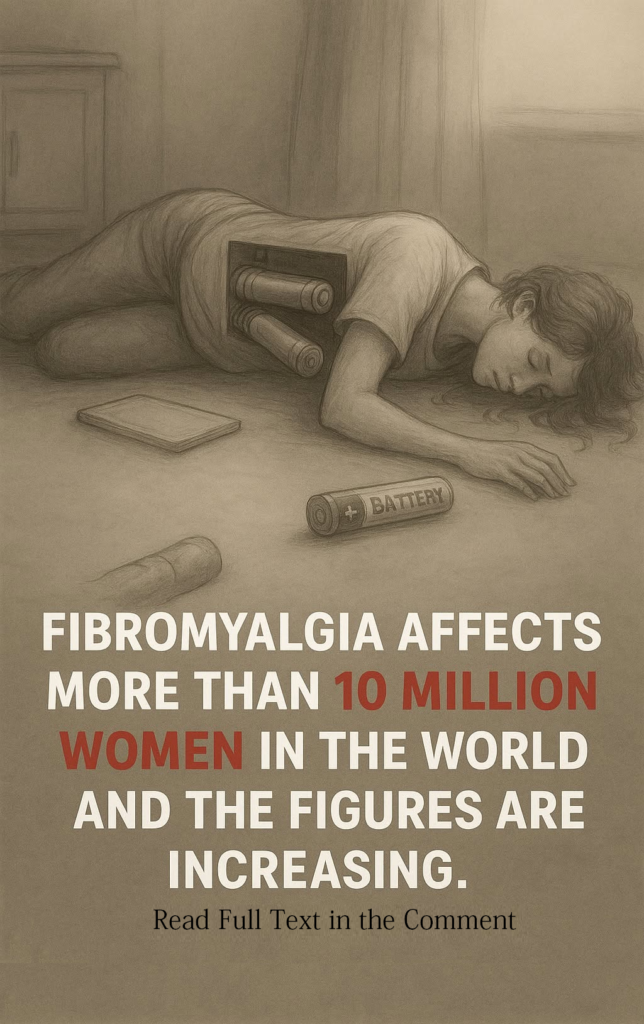
Fibromyalgia is a chronic condition that can affect nearly every aspect of daily life. Widespread pain, persistent fatigue, sleep disturbances, brain fog, and emotional distress often make even ordinary activities difficult. Although researchers have made significant progress in understanding fibromyalgia, its exact cause remains uncertain.
One area receiving growing attention is the relationship between childhood trauma, chronic stress, and fibromyalgia.
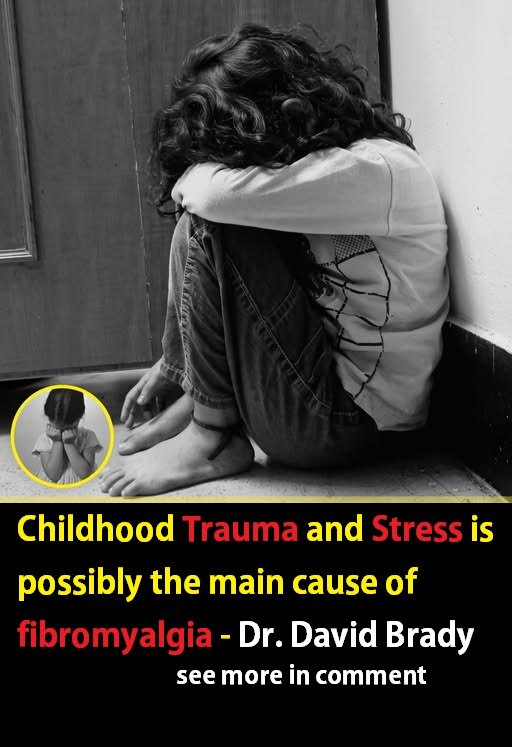
Dr. David Brady, a clinician and researcher known for his work on fibromyalgia and functional medicine, has discussed how early-life adversity may influence the nervous system, stress responses, and long-term health. His perspective suggests that childhood experiences could be an important contributing factor in the development of chronic pain conditions.
But is childhood trauma the main cause of fibromyalgia?
Scientific research supports an association between traumatic experiences and chronic pain, including fibromyalgia. However, the evidence does not establish childhood trauma as the primary cause in every person.
Understanding this distinction is important. Fibromyalgia is a complex condition influenced by multiple biological, psychological, and environmental factors. Exploring the role of stress may help explain some cases while also opening new possibilities for compassionate, comprehensive treatment.
What Does Dr. David Brady Say About Childhood Trauma and Fibromyalgia?
Dr. David Brady has highlighted the possibility that childhood adversity can influence the development of chronic health conditions later in life.
His discussion focuses on how the developing nervous system responds to repeated stress, particularly when a child experiences trauma without adequate emotional support.
During childhood, the brain and nervous system are continually developing. Experiences help shape how the body responds to danger, uncertainty, relationships, and emotional challenges.
According to Brady’s perspective, prolonged or severe stress during these important developmental years may influence how the body’s stress-response systems function in adulthood.
This could potentially contribute to conditions involving chronic pain, fatigue, digestive problems, anxiety, and sleep disturbances.
His article, Impacts of Childhood Trauma on Stress and Pain in Adult Health, discusses the possible relationship between early-life adversity and conditions such as fibromyalgia, irritable bowel syndrome, chronic fatigue, and depression.
Read Dr. David Brady’s articles
It is important to understand that this is a proposed contributing pathway, not a proven explanation for all fibromyalgia cases. Many people with fibromyalgia have no known history of childhood trauma, while many people who experienced trauma never develop fibromyalgia.
The scientific question is not whether trauma explains every case, but whether it can increase vulnerability in some individuals.
How Childhood Trauma Can Affect the Developing Nervous System
Childhood is a critical period for brain development. During these years, the nervous system learns how to respond to both positive and negative experiences.
A supportive environment can help children develop emotional regulation, resilience, and a sense of safety. However, repeated exposure to frightening or unpredictable situations may affect the development of stress-response systems.
Childhood adversity can include:
- Physical, emotional, or sexual abuse
- Emotional or physical neglect
- Domestic violence or ongoing conflict
- Loss of a parent or loved one
- Bullying or repeated humiliation
- Living with persistent fear or instability
- Exposure to serious accidents or other traumatic events
Not every difficult childhood experience causes lasting harm. The effects depend on many factors, including the severity and duration of the experience, the child’s age, available support, and individual resilience.
The role of the stress response
When a person experiences danger, the body activates its stress response. This involves communication between the brain, nervous system, and hormonal systems.
The hypothalamic-pituitary-adrenal (HPA) axis plays an important role in regulating the body’s response to stress. It helps control the release of cortisol, a hormone involved in energy regulation, immune activity, and adaptation to stressful situations.
The sympathetic nervous system also becomes active, preparing the body for a fight-or-flight response.
These reactions are useful during short-term emergencies. However, researchers are investigating whether prolonged stress during childhood may influence how these systems respond later in life.
Some studies involving people with fibromyalgia have reported differences in stress-related hormonal patterns. These findings suggest that stress regulation may be altered in at least some patients.
Nevertheless, researchers have not established one consistent stress-hormone pattern that explains fibromyalgia in everyone.
What Does Scientific Research Say About Childhood Trauma and Fibromyalgia?
Several studies have examined whether people with fibromyalgia are more likely to report traumatic experiences than people without the condition.
A 2014 systematic review and meta-analysis published in Psychosomatic Medicine examined 71 studies involving trauma and functional somatic syndromes, including fibromyalgia, chronic widespread pain, chronic fatigue syndrome, and irritable bowel syndrome.
The researchers found that people reporting trauma exposure were approximately 2.7 times more likely to have a functional somatic syndrome than people without reported trauma exposure.
Read the systematic review on psychological trauma and functional somatic syndromes
This finding is significant, but it requires careful interpretation. It does not mean that childhood trauma causes fibromyalgia in 2.7 times as many people, nor does it prove that trauma directly produces the condition.
A 2021 systematic review and meta-analysis specifically examined lifetime stressors in adults with fibromyalgia.
The researchers found associations between fibromyalgia and several types of stressful experiences, including physical abuse, sexual abuse, emotional abuse, medical trauma, and other life stressors.
The strongest associations were reported for physical abuse and total abuse exposure.
Read the review on lifetime stressors and adult fibromyalgia
The researchers emphasized that stressors are likely to be one of many risk factors and that fibromyalgia is best understood through a biopsychosocial approach.
In other words, childhood trauma may be an important part of the story for some people, but it is not the whole story.
Could Childhood Stress Make the Nervous System More Sensitive to Pain?
One of the leading explanations for fibromyalgia symptoms involves altered pain processing within the central nervous system.
This phenomenon is often discussed in relation to central sensitization and nociplastic pain.
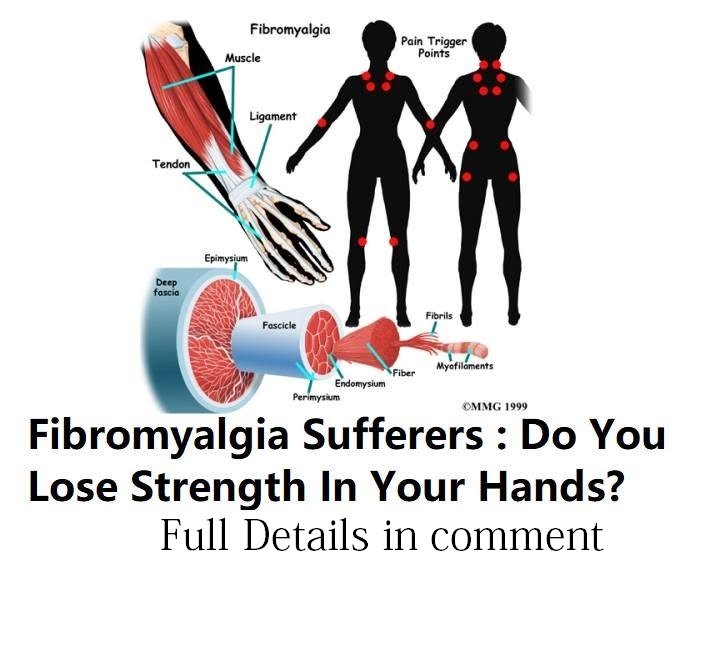
Central sensitization describes increased responsiveness within pain-processing pathways. When these pathways become more sensitive, signals that would normally produce mild discomfort may be experienced as painful.
People with fibromyalgia may experience:
- Widespread muscle and body pain
- Increased sensitivity to touch or pressure
- Pain from normally nonpainful sensations
- Fatigue and unrefreshing sleep
- Difficulty concentrating or remembering information
- Sensitivity to temperature, sound, or light
The CDC recognizes widespread pain, fatigue, sleep problems, cognitive difficulties, depression, and anxiety among common fibromyalgia symptoms.
CDC: Fibromyalgia symptoms and risk factors
Researchers are investigating whether early-life stress can influence the development of pain-processing systems and make some individuals more vulnerable to chronic pain.
Animal studies and human research suggest that early adversity may affect communication between the nervous system, immune system, and hormonal systems.
However, central sensitization can occur for many reasons. It is not proof that a person experienced trauma, and it should not be used to make assumptions about someone’s childhood.
Why Some People Develop Fibromyalgia After Stress While Others Do Not
One of the most confusing aspects of fibromyalgia is that people can experience very different life histories before developing symptoms.
Some individuals report that their fibromyalgia began after a traumatic event, severe emotional stress, an infection, surgery, or physical injury.
Others cannot identify any clear triggering event.
The NHS notes that fibromyalgia may be triggered by physical or emotional stress, but it can also develop without an obvious trigger.
Several factors may interact to influence whether someone develops the condition.
Genetic susceptibility
Fibromyalgia can occur in multiple members of the same family. This suggests that genetic factors may influence vulnerability, although no single gene explains the condition.
Physical illness or injury
Some people develop widespread pain after an infection, injury, surgery, or another significant physical event.
Sleep disturbances
Poor-quality sleep can increase pain sensitivity and interfere with the body’s ability to recover. Sleep problems are common in fibromyalgia and may contribute to symptom severity.
Chronic stress
Long-term stress may affect sleep, muscle tension, emotional regulation, and pain processing.
Other health conditions
Conditions such as migraine, irritable bowel syndrome, anxiety, and depression frequently coexist with fibromyalgia and may complicate symptom management.
The combination of these factors may help explain why two people with similar childhood experiences can have very different health outcomes.
Childhood Trauma, Depression, Anxiety, and Fibromyalgia
Fibromyalgia is frequently associated with emotional and psychological symptoms, including depression, anxiety, and post-traumatic stress disorder.
For some people, these symptoms may be connected to earlier traumatic experiences. For others, they may develop as a result of living with chronic pain, fatigue, disability, and uncertainty.
It is important not to assume that depression or anxiety means fibromyalgia is psychological.
Fibromyalgia involves real physical symptoms and altered pain processing. Emotional health is one part of a broader clinical picture.
A person living with persistent pain may struggle with work, relationships, sleep, and everyday responsibilities. These challenges can understandably affect mental well-being.
Likewise, someone who experienced childhood trauma may benefit from treatment that addresses both the physical symptoms and the emotional effects of those experiences.
A compassionate approach recognizes that pain and emotional distress can influence each other without suggesting that the pain is imaginary.
Can Treating Trauma Help Reduce Fibromyalgia Symptoms?
For people with a history of trauma, addressing its effects may be a useful component of comprehensive fibromyalgia care.
Trauma-informed treatment focuses on safety, trust, choice, and avoiding unnecessary emotional distress.
Depending on the individual’s needs, treatment may include:
- Trauma-informed psychotherapy
- Cognitive behavioral therapy (CBT)
- Eye movement desensitization and reprocessing (EMDR) when clinically appropriate
- Stress-management techniques
- Relaxation and breathing exercises
- Sleep-focused treatment
- Gentle, gradually increased physical activity
- Medical management of pain and associated symptoms
These approaches should be individualized. Not every person with fibromyalgia needs trauma therapy, and discussing childhood experiences should never be forced.
For someone who does have unresolved trauma, psychological treatment may help reduce distress, improve coping, and support quality of life. It may also help address conditions such as PTSD, anxiety, or depression.
However, trauma therapy is not a guaranteed cure for fibromyalgia. It should be considered alongside appropriate medical care rather than as a replacement for it.
The NHS identifies exercise, psychological therapies, relaxation techniques, and medication as possible components of fibromyalgia management.
Fibromyalgia Treatment Should Address the Whole Person
A major lesson from research into childhood trauma and fibromyalgia is the importance of looking beyond pain alone.
Effective management often requires attention to physical symptoms, emotional well-being, sleep, activity levels, and other medical conditions.
A healthcare professional may recommend a combination of approaches, such as:
Physical activity: Gentle walking, swimming, stretching, or other low-impact activities may help improve function when introduced gradually.
Sleep management: Establishing regular sleep habits and evaluating sleep disorders can be important for people experiencing persistent fatigue.
Medication: Certain medications may help reduce pain or improve sleep in some patients. Treatment should be selected by a qualified clinician based on individual symptoms and risks.
Psychological support: CBT or other appropriate therapies may help people manage chronic pain, distress, and the practical challenges of living with fibromyalgia.
Pacing and energy management: Balancing activity with rest may help reduce the cycle of overexertion and symptom flares.
Trauma-informed care: For people who identify trauma as part of their health history, supportive treatment may help address its ongoing effects.
There is no single treatment plan that works for everyone. The goal is to improve daily function, reduce symptom burden, and support a better quality of life.
The Importance of Avoiding Blame and Misunderstanding
Discussions about childhood trauma and fibromyalgia can be sensitive.
Some people may feel relieved when they discover a possible explanation for their symptoms. Others may feel distressed, confused, or uncomfortable when their childhood is discussed in a medical setting.
It is essential to remember that developing fibromyalgia is not a personal failure.
People do not choose their childhood circumstances, and experiencing trauma does not mean someone is destined to develop chronic pain.
Likewise, people who have fibromyalgia without a history of trauma deserve the same recognition and medical support.
The purpose of exploring childhood stress is to improve understanding—not to blame patients, families, or individuals for their illness.
A balanced approach also recognizes that fibromyalgia has multiple possible contributing factors and that current science has not identified one universal cause.
Conclusion: Is Childhood Trauma the Main Cause of Fibromyalgia?
Dr. David Brady’s perspective highlights an important area of fibromyalgia research: the possibility that childhood trauma and chronic stress can influence the nervous system and increase vulnerability to chronic pain.
Scientific studies have found meaningful associations between traumatic experiences and fibromyalgia. Research into stress hormones, pain processing, and early-life development provides additional reasons to investigate this connection.
However, childhood trauma has not been proven to be the main cause of fibromyalgia in all patients.
Fibromyalgia is a complex condition that may involve genetic susceptibility, altered pain processing, sleep disturbances, physical illness, stress, and other biological and environmental influences.
For people with a history of trauma, compassionate and trauma-informed care may be an important part of treatment. For others, different approaches may be more appropriate.
The most important message is that fibromyalgia is real, its causes are complex, and every patient deserves individualized care without judgment.
As research continues, a better understanding of how childhood experiences influence adult pain may help clinicians develop more effective and personalized approaches to fibromyalgia treatment.
Disclaimer: This article is for educational purposes only and is not a substitute for professional medical advice, diagnosis, or treatment. Anyone experiencing persistent widespread pain or symptoms of depression should consult a qualified healthcare professional.
References
- Brady, D. — Articles on fibromyalgia, childhood trauma, and stress
- Afari, N. et al. — Psychological Trauma and Functional Somatic Syndromes: A Systematic Review and Meta-Analysis
- The Role of Lifetime Stressors in Adult Fibromyalgia: Systematic Review and Meta-Analysis
- Centers for Disease Control and Prevention — Fibromyalgia
- NHS — Fibromyalgia: Causes