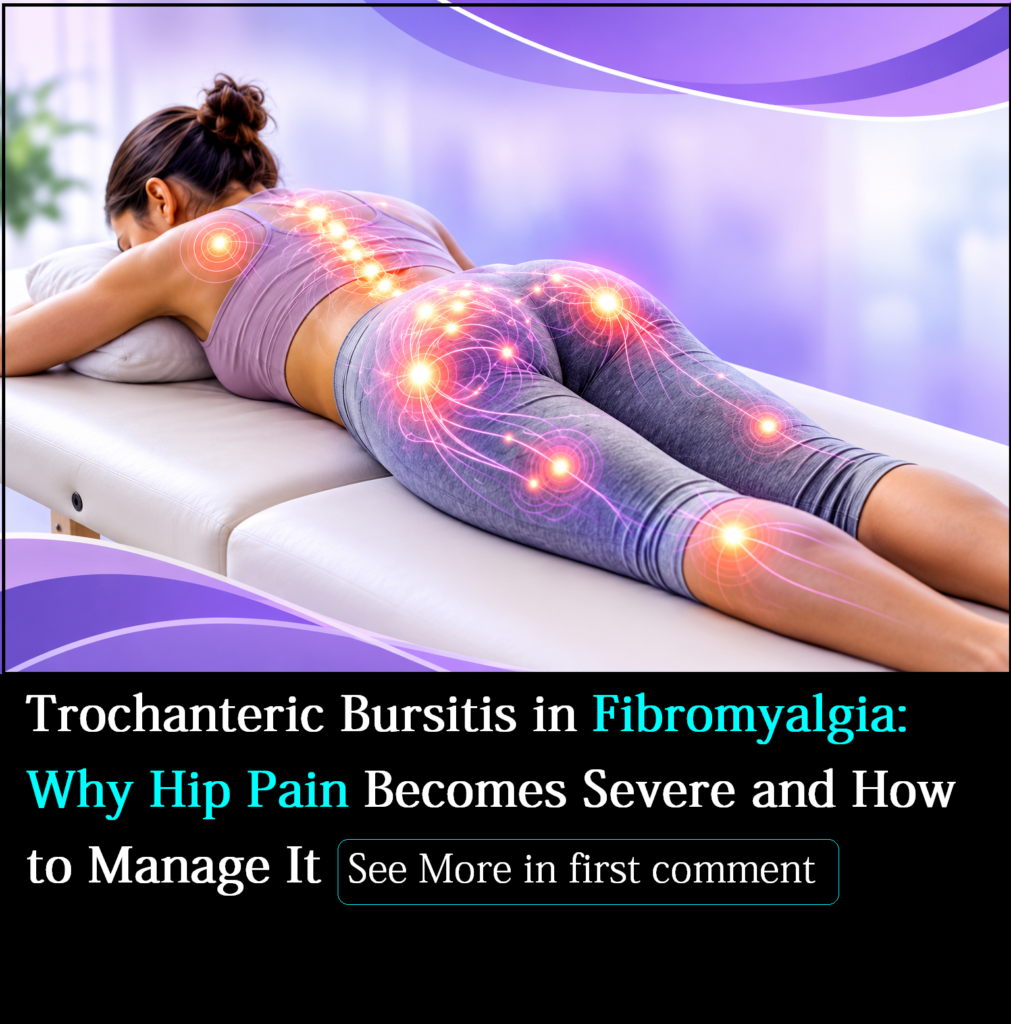
Shoulder pain in fibromyalgia can feel deep, sharp, burning, heavy, and impossible to ignore. For some people, it may begin as a dull ache after a long day and gradually become a persistent source of discomfort. For others, the pain can appear suddenly, spread into the neck or upper back, or make ordinary movements such as reaching, lifting, or getting dressed surprisingly difficult.
Fibromyalgia is associated with widespread pain and changes in how the nervous system processes sensory signals. Because of this, pain in one area—such as the shoulder—may feel much stronger than expected based on the physical activity that triggered it.
Shoulder pain can also be complicated because several conditions can cause similar symptoms. Muscle tension, poor posture, rotator cuff problems, bursitis, arthritis, nerve irritation, and other shoulder conditions may occur alongside fibromyalgia. Understanding the possible connection can help you recognize patterns and decide when professional medical advice is appropriate.
What Does Fibromyalgia Shoulder Pain Feel Like?
Fibromyalgia shoulder pain does not necessarily feel the same for everyone. The sensation can change from one day to another, depending on sleep, stress, physical activity, weather, fatigue, and other factors.
Some people describe the pain as deep and aching, almost as though it is coming from inside the shoulder rather than from the skin or surface muscles. Others experience a sharper sensation when moving the arm or changing position.
Common descriptions include:
- Deep shoulder aching
- Sharp or stabbing pain
- Burning sensations
- Muscle soreness
- Heavy or tired shoulders
- Throbbing discomfort
- Tightness around the shoulder and neck
- Tenderness when the area is touched
- Pain that spreads toward the upper back
- Pain extending into the neck or upper arm
- Stiffness after sleeping or resting
- Increased discomfort after repetitive movements
Another frustrating feature is that the severity of pain may not always match the amount of physical activity performed.
For example, a person may spend most of the day doing routine tasks and still develop significant shoulder discomfort. On another day, the same activity might cause little or no trouble.
This unpredictable nature is one reason fibromyalgia pain can be difficult to manage.
Why Can Fibromyalgia Cause Shoulder Pain?
Fibromyalgia is commonly associated with widespread musculoskeletal pain rather than pain limited to one specific joint. Researchers believe that altered pain processing within the nervous system plays an important role.
Normally, the nervous system receives information from the body and helps determine whether a sensation should be interpreted as painful. With fibromyalgia, the processing and regulation of pain signals can become unusually sensitive.
As a result, sensations that might normally feel mild can sometimes feel much more intense.
This phenomenon is often discussed in relation to central sensitization. It may help explain why someone with fibromyalgia can experience significant discomfort even when there is no obvious injury to the shoulder.
However, this does not mean every shoulder problem in someone with fibromyalgia is automatically caused by fibromyalgia.
A person can have fibromyalgia and develop a completely separate shoulder condition at the same time.
For instance, someone may have:
- Rotator cuff tendinopathy
- Shoulder bursitis
- Frozen shoulder
- Osteoarthritis
- Tendon irritation
- Muscle strain
- Nerve compression
- Neck problems that refer pain into the shoulder
This distinction matters because treatment depends on the underlying cause.
Fibromyalgia Shoulder Pain vs. Other Shoulder Problems
One of the biggest challenges is determining whether shoulder pain is part of fibromyalgia or caused by another condition.
Fibromyalgia-related pain is often widespread. You may notice discomfort in several areas of the body rather than only one shoulder. Pain may also fluctuate, with periods of improvement followed by fibromyalgia flare-ups.
In contrast, a structural shoulder problem may be more closely connected to specific movements.
For example, rotator cuff irritation can cause pain when raising the arm overhead. Bursitis may produce localized tenderness and discomfort with certain positions. Frozen shoulder can cause substantial stiffness and progressively limit movement.
The pattern is not always obvious, however.
Someone with fibromyalgia may also have a structural shoulder condition, and widespread pain can make it harder to identify the source.
That is why persistent, severe, or unusual shoulder pain should not automatically be blamed on fibromyalgia.
Common Symptoms That May Occur With Fibromyalgia Shoulder Pain
Shoulder discomfort rarely occurs in isolation for people living with fibromyalgia.
You may also experience symptoms such as fatigue, sleep problems, muscle stiffness, headaches, and fibromyalgia fog. When several symptoms appear together, shoulder pain may become even more difficult to tolerate.
1. Neck and Upper Back Pain
The muscles surrounding the shoulders, neck, and upper back work closely together. When one area becomes tense, another may compensate.
For someone with fibromyalgia, prolonged muscle tension can contribute to discomfort across this entire region.
You may notice that shoulder pain becomes worse after sitting at a desk, looking down at a phone, driving, or sleeping in an awkward position.
2. Shoulder Stiffness
Stiffness may be particularly noticeable after waking up or sitting still for a long period.
The shoulder may feel heavy or difficult to move even when there has been no obvious injury.
Gentle movement may help some people, although forcing a painful joint through a large range of motion can make symptoms worse.
3. Burning or Sensitive Pain
A burning sensation can be especially uncomfortable.
Some people with fibromyalgia experience increased sensitivity to touch, pressure, temperature, or other sensory input. A shirt resting against the shoulder or someone lightly touching the area may sometimes feel unpleasant.
This type of increased sensitivity is one reason fibromyalgia pain can feel different from ordinary muscle soreness.
4. Pain That Spreads
Pain may extend beyond the shoulder itself.
You might feel discomfort around the shoulder blade, upper back, neck, or upper arm. When pain travels farther down the arm, particularly when accompanied by numbness or weakness, another cause should be considered.
What Can Trigger a Fibromyalgia Shoulder Flare?
Fibromyalgia symptoms can fluctuate. A shoulder that feels manageable one day may become extremely painful after a combination of physical and emotional stressors.
Potential triggers include:
Poor sleep: Sleep disruption can make pain feel more intense and reduce the body’s ability to recover.
Stress: Emotional stress can increase muscle tension and make existing pain harder to tolerate.
Overuse: Repeated lifting, reaching, cleaning, typing, or other activities may aggravate already sensitive muscles.
Sudden exercise: Increasing activity too quickly can sometimes lead to increased soreness.
Poor posture: Spending hours with the head and shoulders positioned forward may place additional strain on the neck and shoulder muscles.
Long periods of inactivity: Staying in one position for too long can contribute to stiffness.
Weather changes: Some people report that changes in temperature or weather coincide with worsening symptoms, although experiences vary considerably.
Fibromyalgia flare-ups: During a broader flare, existing shoulder discomfort may become noticeably stronger.
Identifying personal triggers can be useful. Keeping a simple symptom journal may help reveal patterns between activities, sleep, stress, and pain.
How Is Fibromyalgia Shoulder Pain Diagnosed?
There is no single test that can confirm that shoulder pain is specifically caused by fibromyalgia.
Fibromyalgia is generally diagnosed using a combination of symptoms, medical history, physical examination, and appropriate evaluation for other possible conditions.
When shoulder pain is the main complaint, a healthcare professional may examine:
- Shoulder movement
- Muscle strength
- Joint tenderness
- Neck movement
- Sensation and reflexes
- History of injury
- Pain patterns
- Activities that make symptoms better or worse
Depending on the symptoms, additional testing may sometimes be considered to investigate another potential cause.
The goal is not simply to label the pain as fibromyalgia. It is to understand what is happening and make sure important alternative explanations are not overlooked.
Ways to Manage Shoulder Pain With Fibromyalgia
Managing fibromyalgia shoulder pain often involves a combination of strategies rather than one single treatment.
Gentle Movement
Complete inactivity may increase stiffness for some people. Gentle movement can help maintain mobility without placing excessive stress on painful areas.
Simple range-of-motion exercises may be useful, but the appropriate exercises depend on your individual situation.
If movement causes significant pain, weakness, swelling, or worsening symptoms, stop and seek professional guidance.
Heat or Cold
Some people find a warm shower, heating pad, or warm compress soothing when muscles feel tight.
Others prefer cold therapy, particularly when an area feels irritated after activity.
There is no universal choice. Pay attention to which approach your body responds to best and use temperature-based treatments safely.
Improve Sleep Habits
Poor sleep and fibromyalgia pain can influence one another.
When pain interferes with sleep, fatigue may increase. Increased fatigue can make pain feel more difficult to manage the following day.
Creating a consistent bedtime routine, keeping the sleeping environment comfortable, and addressing persistent sleep difficulties with a healthcare professional may be helpful.
Manage Activity Levels
A common mistake is doing too much on a relatively good day and then experiencing increased pain afterward.
Instead, try to spread demanding activities throughout the day. Taking short breaks before pain becomes severe may help reduce overexertion.
This approach is sometimes described as pacing.
Physical Therapy
A physical therapist can assess posture, shoulder mobility, muscle strength, and movement patterns.
They may develop an individualized exercise program designed to improve mobility and strength without unnecessarily aggravating symptoms.
This can be particularly useful when shoulder pain is accompanied by stiffness or reduced movement.
Stress Management
Stress does not mean that fibromyalgia pain is “all in your head.” Pain is real, but stress and nervous-system arousal can influence how the body processes pain.
Relaxation techniques, breathing exercises, mindfulness, gentle activity, and appropriate psychological support may help some people manage the overall burden of chronic pain.
When Should You See a Doctor About Shoulder Pain?
Not every episode of shoulder pain requires urgent medical attention. However, persistent or severe symptoms deserve proper evaluation.
Contact a healthcare professional if shoulder pain:
- Continues for several weeks
- Keeps getting worse
- Significantly limits arm movement
- Regularly interferes with sleep
- Develops after an injury
- Is accompanied by noticeable weakness
- Causes persistent numbness or tingling
- Is associated with swelling, redness, or warmth
- Feels substantially different from your usual fibromyalgia pain
Seek urgent medical attention for sudden severe shoulder or upper-body pain accompanied by symptoms such as chest pressure, difficulty breathing, fainting, sweating, or pain spreading to the jaw or arm, because these symptoms can sometimes indicate a medical emergency.
Frequently Asked Questions About Fibromyalgia and Shoulder Pain
Can fibromyalgia cause shoulder pain?
Yes. Fibromyalgia can be associated with widespread musculoskeletal pain, including discomfort around the shoulders, neck, and upper back. However, shoulder pain can also have other causes, so persistent symptoms should be evaluated rather than automatically attributed to fibromyalgia.
Why does my shoulder pain feel like burning?
Burning pain may be related to changes in how the nervous system processes sensory information. However, burning sensations can also occur with nerve irritation or other conditions. The surrounding symptoms and overall pattern are important.
Can fibromyalgia cause shoulder stiffness?
Yes, stiffness can occur as part of the broader musculoskeletal symptoms associated with fibromyalgia. It may be particularly noticeable after periods of rest or poor sleep.
Can stress make fibromyalgia shoulder pain worse?
Stress can contribute to increased muscle tension and may make chronic pain feel more difficult to manage. Many people notice that their fibromyalgia symptoms fluctuate during periods of increased physical or emotional stress.
Should I exercise if my shoulder hurts from fibromyalgia?
Gentle, appropriately selected movement can be beneficial for many people with fibromyalgia, but the right exercise depends on the cause and severity of your shoulder pain. If you have significant pain, weakness, or restricted movement, discuss exercise with a healthcare professional or physical therapist.
Final Thoughts
Shoulder pain in fibromyalgia can feel deep, sharp, burning, heavy, and impossible to ignore. The discomfort may fluctuate from day to day and can become more noticeable during periods of poor sleep, stress, overactivity, or a broader fibromyalgia flare.
Understanding the connection between fibromyalgia and pain processing can make these symptoms easier to recognize, but it is equally important not to assume that every shoulder problem is caused by fibromyalgia.
A new injury, persistent weakness, significant loss of movement, numbness, or unusual symptoms may point toward another condition that requires assessment.
The most useful approach is often a combination of appropriate medical evaluation, gentle movement, pacing, sleep support, stress management, and an individualized treatment plan.
If shoulder pain is repeatedly interfering with your daily life, you do not have to simply accept it as something you must live with. Identifying the pattern and working with a healthcare professional can be an important step toward better symptom management and improved quality of life.