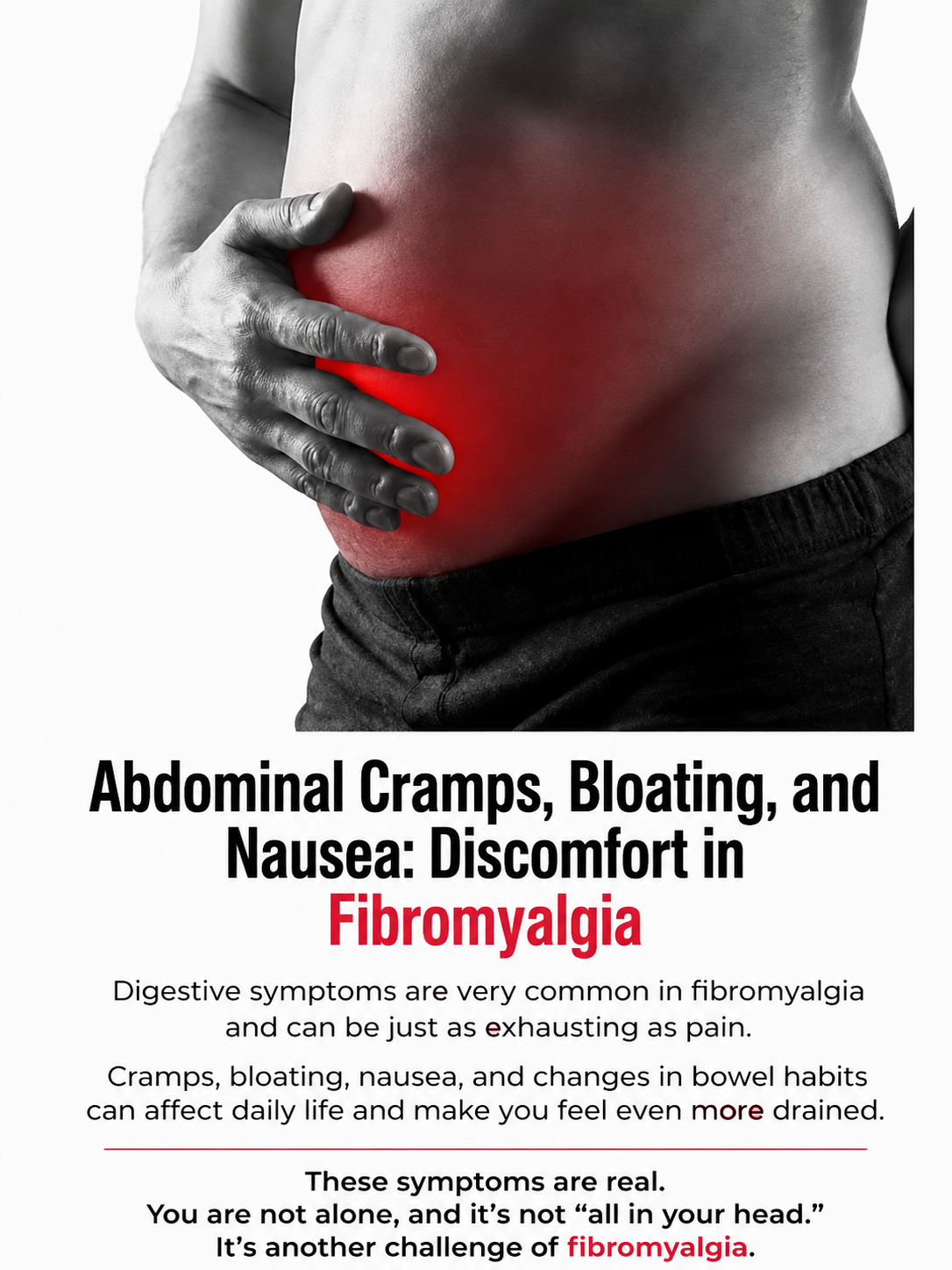






Although fibromyalgia is primarily known for widespread musculoskeletal pain, many people also experience gastrointestinal symptoms that significantly impact their quality of life. Cramps, bloating, and nausea are relatively common complaints. These symptoms may be related to dysfunction of the autonomic nervous system, which regulates involuntary bodily functions, including bowel function. In fibromyalgia, there may be a dysregulation of this system, making the gastrointestinal tract more sensitive and reactive. Abdominal distension—a feeling of bloating or a “stuffed stomach”—can occur even after small meals. Cramps can range from mild to intense,…
Read MoreWhy Do People With Fibromyalgia Drop Things? Understanding Weak Grip Strength, Hand Pain, and Coordination Problems
Living with fibromyalgia often means dealing with symptoms that extend far beyond widespread pain. While many people recognize chronic pain, fatigue, and sleep disturbances as hallmark symptoms, another frustrating experience often goes unnoticed—frequently dropping objects. Whether it’s a coffee mug slipping from your hand, your phone unexpectedly falling to the floor, or struggling to keep hold of utensils while eating, these incidents can be confusing and discouraging. Many people living with fibromyalgia report episodes where they suddenly lose their grip on everyday objects. These events can happen without warning and…
Read MoreThat Strange Collarbone Pain? Don’t Ignore This Possible Fibromyalgia Connection
Have you ever felt a strange ache around your collarbone and wondered, “Why does my collarbone hurt when I haven’t injured it?” Maybe the pain feels deep, tender, burning, or difficult to pinpoint. Sometimes it seems to spread toward the shoulder, neck, upper chest, or arm. While collarbone pain can have many possible causes, people living with fibromyalgia may experience pain in areas around the shoulders, chest, neck, and upper body as part of their broader pain pattern. Fibromyalgia is a chronic condition associated with widespread pain, tenderness, fatigue, sleep…
Read More9 Signs Your Fibromyalgia Is Getting Worse and Is No Longer Well Controlled
Fibromyalgia is a chronic condition with a fluctuating course, but there are clear signs that indicate when the condition is becoming poorly controlled and no longer responding to usual management strategies. Recognizing these signs early is essential to prevent worsening flare-ups, loss of function, and physical and emotional overload. ▪️ One of the main warning signs is a progressive increase in pain, both in intensity and duration. When pain stops being occasional and becomes constant, more severe, or resistant to measures that previously provided relief, it may indicate a greater…
Read MoreDid You Know People with fibromyalgia take longer to fall asleep, sleep less, and sleep worse. Research
If you live with fibromyalgia, you may know the frustrating experience of going to bed exhausted but still being unable to get comfortable enough to sleep. You finally fall asleep, only to wake repeatedly during the night. By morning, you may feel as though you barely rested at all. This is not simply a matter of having a few bad nights. Research has consistently found that sleep disturbances are common in fibromyalgia. People with fibromyalgia may have more difficulty falling asleep, spend less time actually sleeping, wake more often during…
Read MoreCan Fibromyalgia Affect Your Hands? Symptoms, Causes, and What You Can Do
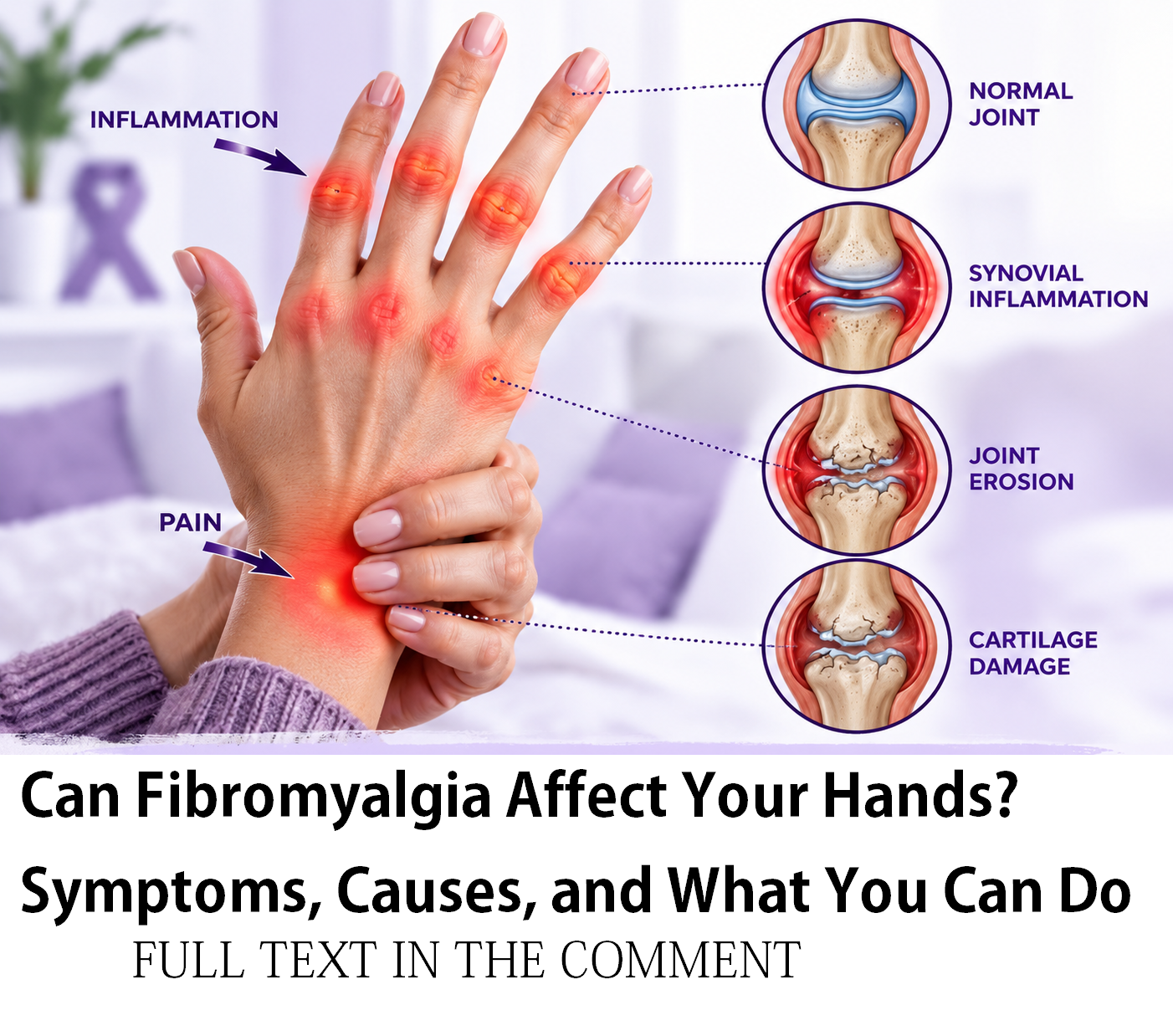
Can fibromyalgia affect your hands? Yes. Although fibromyalgia is best known for causing widespread pain and fatigue, it can also cause uncomfortable symptoms in the hands, fingers, wrists, and arms. Some people with fibromyalgia describe hand pain, stiffness, tenderness, burning, tingling, numbness, or a strange “pins and needles” sensation. These symptoms can be especially frustrating because your hands are involved in so many everyday activities. Opening a jar, typing on a keyboard, holding a phone, writing, cooking, or even getting dressed can become uncomfortable during a flare. Fibromyalgia does not…
Read MoreDid You Know Why It Hurts? Fibromyalgia and the Torment of Sciatica
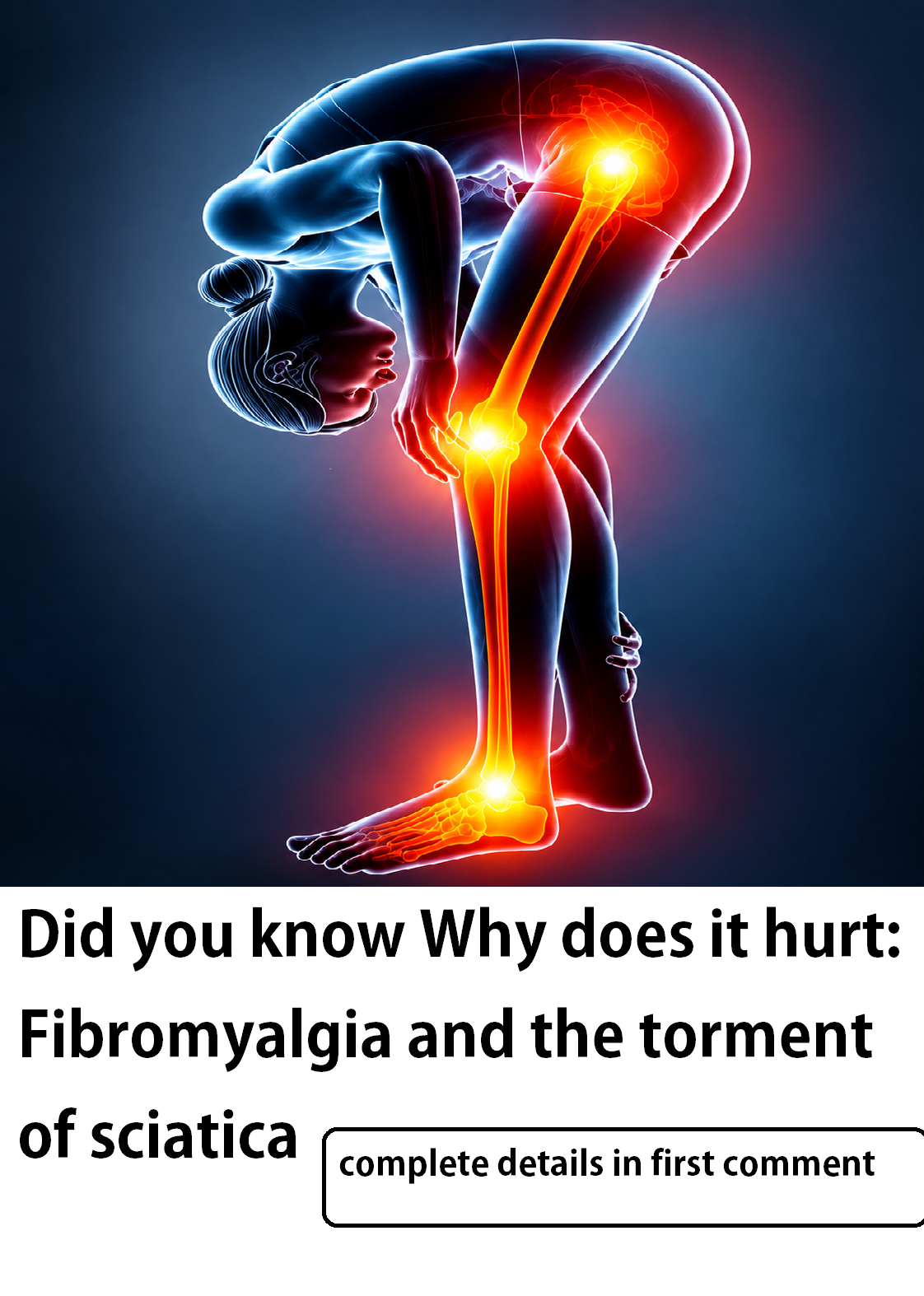
Have you ever felt a burning, stabbing, or electric-like pain traveling from your lower back into your buttock and down your leg—and wondered why it hurts so much? If you live with fibromyalgia, this type of pain can be particularly confusing. You may already deal with widespread muscle pain, fatigue, tenderness, and sensitivity, so when severe leg or lower-back pain appears, it can be difficult to know whether it is another fibromyalgia symptom or something different. This is where fibromyalgia and sciatica can become especially challenging. Fibromyalgia is associated with…
Read More7 Fibromyalgia Connections That May Surprise You — Most People Aren’t Aware
7 Fibromyalgia Connections That May Surprise You — Most People Aren’t Aware Fibromyalgia is often described as a condition that causes widespread pain, fatigue, sleep problems, and difficulty concentrating. But for many people, the story does not stop there. Fibromyalgia can occur alongside several other health conditions, sometimes producing symptoms that seem completely unrelated to muscle or joint pain. This is one reason fibromyalgia symptoms can be so difficult to understand. A person may experience migraines, digestive problems, jaw pain, bladder discomfort, restless sleep, or persistent fatigue and not realize…
Read More20 Strange Fibromyalgia Symptoms You Probably Didn’t Know Were Related
Fibromyalgia is often associated with widespread pain, fatigue, and poor sleep. But for many people living with the condition, those are only part of the story. There are many strange symptoms of fibromyalgia that can be difficult to explain to family members, friends, or even healthcare professionals. Some people experience unusual sensations in their skin, sensitivity to sounds or smells, dizziness, digestive problems, temperature changes, or a feeling that their body is simply not responding normally. These symptoms can be frustrating because they may appear unrelated to one another. One…
Read MoreDid You Know Fibromyalgia Can Cause Severe Hip Pain? The Hidden Link to Bursitis and Tendinitis
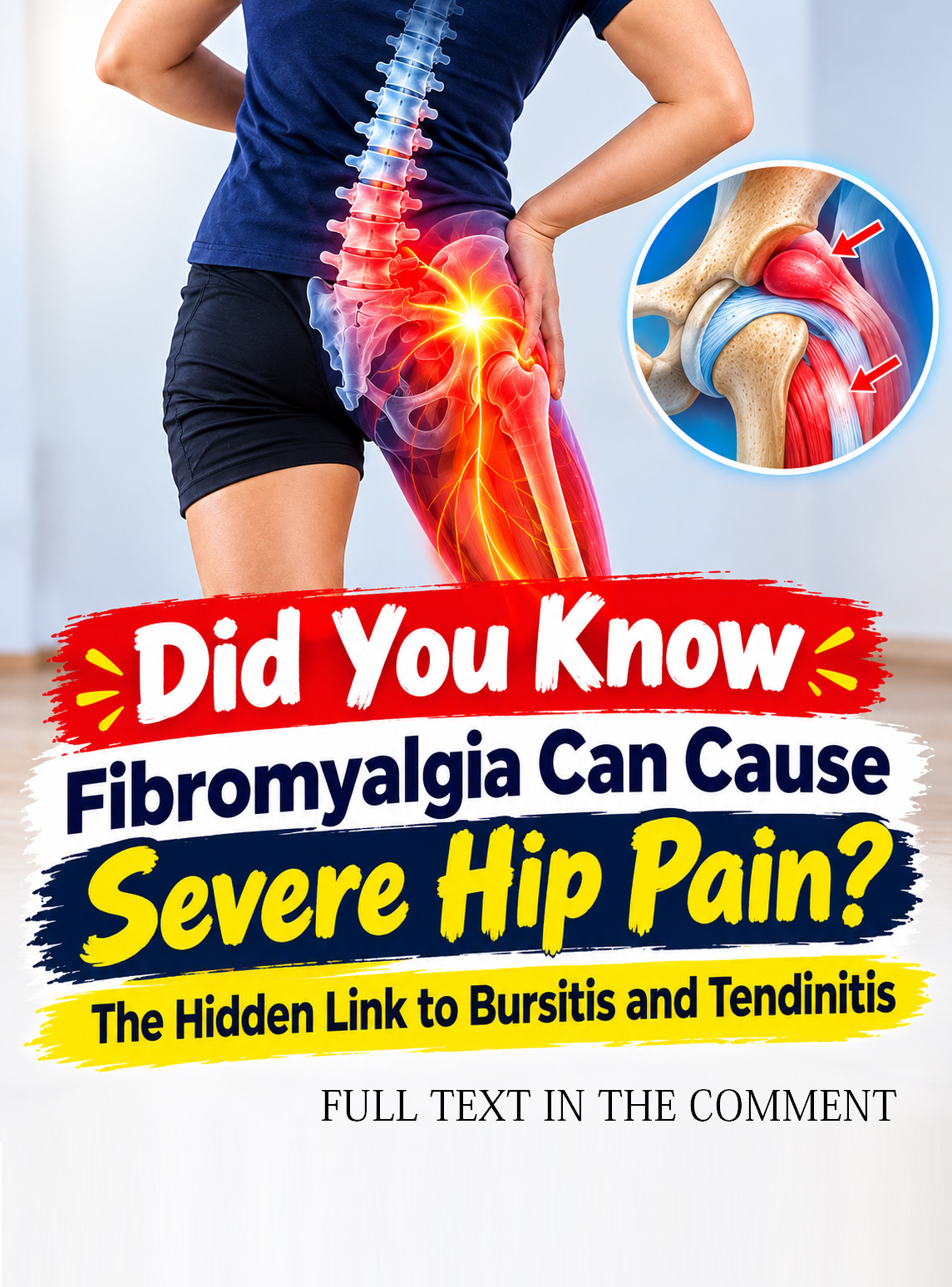
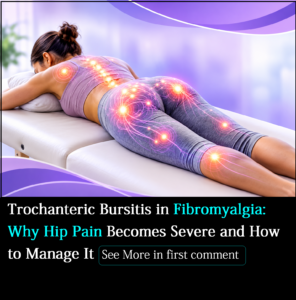
Fibromyalgia hip pain can be difficult to understand because the discomfort may feel as though it is coming directly from the hip joint, muscles, tendons, or surrounding tissues. For some people, the pain is mild and occasional. For others, it becomes a persistent problem that interferes with walking, sleeping, exercising, working, or simply finding a comfortable position. The situation can become even more complicated when bursitis or tendinitis occurs alongside fibromyalgia. These conditions can produce similar symptoms, and their pain may overlap. Someone with fibromyalgia may therefore experience widespread sensitivity…
Read More