







One of the hardest parts of living with fibromyalgia is trying to explain the pain to someone who has never experienced it. Unlike a broken bone, a visible injury, or a condition that shows up clearly on medical tests, fibromyalgia often leaves no outward signs. Yet for millions of people, the pain, exhaustion, and cognitive difficulties are very real. Friends, family members, coworkers, and even healthcare providers sometimes struggle to understand what fibromyalgia feels like. As a result, many people with the condition rely on vivid comparisons and metaphors to…
Read MoreAre You Not Sure You Are Suffering From Fibromyalgia? Here’s How You Can Recognize Fibro and Its Symptoms
Living with unexplained pain can feel confusing, frustrating, and isolating. One day it’s your muscles, the next day it’s your joints, and somehow you are always exhausted no matter how much rest you get. If this sounds familiar, you may have asked yourself an important question: Could this be fibromyalgia? Fibromyalgia is often misunderstood and frequently misdiagnosed. Many people live with its symptoms for years before getting answers. This article will help you understand fibromyalgia, how to recognize its early warning signs, and why fatigue and fibromyalgia are so closely…
Read MoreDid you know 6 Strange Symptoms of FIBROMYALGIA We Don’t Talk About
Fibromyalgia is a chronic condition that affects millions of people around the world, yet it is still surrounded by doubts, prejudice, and a great deal of misinformation. Often, people living with the condition face not only physical symptoms but also a lack of understanding from society. Here are six important aspects of fibromyalgia that you may not know: 1. It’s not just muscle pain Many people think fibromyalgia is simply about body pain, but the condition goes far beyond that. In addition to widespread pain, patients may experience intense fatigue,…
Read MoreFibromyalgia when every touch turns into suffering The Silent War Inside Your Body
Living with fibromyalgia means waking up every day in conflict with your own body. Nothing works predictably. What was possible yesterday may be impossible today. The body hurts, becomes exhausted, stiffens, and reacts as if it were constantly under attack. It is a silent war. There are no visible wounds, no bleeding, and no tests that show the damage. Yet the battle is happening all the time. The nervous system remains constantly on alert, interpreting ordinary stimuli as a threat and turning simple movements into pain. Every action requires negotiation.…
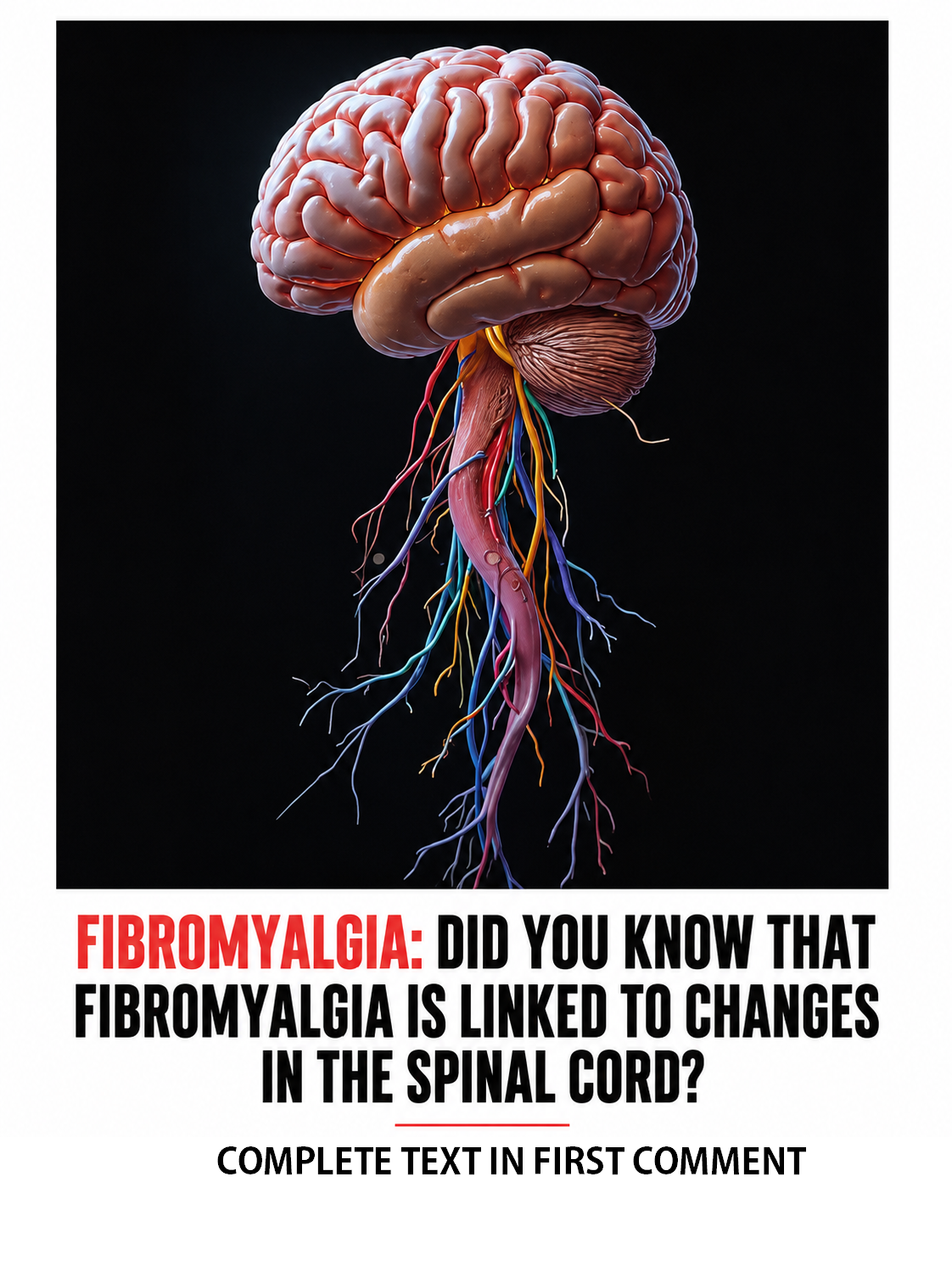
Read MoreFibromyalgia: Did you know that fibromyalgia is linked to changes in the spinal cord?
When we talk about fibromyalgia, many people think only of muscle pain. But studies show that the root of the problem lies in the central nervous system, especially the brain, spinal cord, and cerebrospinal fluid (CSF)—the fluid that surrounds and protects the brain and spinal cord. The spinal cord acts as a “bridge” between the body and the brain, transmitting sensory information—including pain. In recent years, scientific research has revealed that this transmission does not function normally in people with fibromyalgia. 🔎 What Happens in the Spinal Cord in Fibromyalgia?…
Read MoreNew pathways identified to reduce pain and depressive symptoms associated with fibromyalgia
Fibromyalgia is a chronic condition affecting between 2% and 6% of the global population, characterized by widespread, persistent pain often associated with fatigue, sleep disturbances, cognitive difficulties and affective symptoms. Despite its high prevalence—particularly among women—the mechanisms contributing to the development and persistence of the disease are not yet fully understood. To investigate possible factors involved in these symptoms, a research team from the INc-UAB and IR Sant Pau worked with male and female mice in which symptoms similar to fibromyalgia were induced. The animals exhibited increased sensitivity to touch,…
Read More17 of the Worst Symptoms of Fibromyalgia and How People Deal With Them
Fibromyalgia is one of those conditions that sounds simple when explained in a sentence, yet feels impossibly complex when lived day after day. Often misunderstood, sometimes dismissed, and frequently invisible, fibromyalgia affects millions of people worldwide. What makes it especially challenging is not just one symptom, but a wide constellation of physical, mental, and emotional struggles that vary from person to person. For many, fibromyalgia isn’t just about pain. It’s about exhaustion that sleep doesn’t fix, thoughts that slip away mid-sentence, and sensations in the body that are difficult to…
Read MoreWhat If Fibromyalgia Were Visible? 16 Things You’d Finally Be Able to See
Fibromyalgia is often described as an “invisible illness,” not because its symptoms are mild, but because the discomfort it brings can’t be easily seen from the outside. Unlike a broken arm in a cast or a swollen ankle, the pain of fibromyalgia hides beneath the surface. That invisibility often leads to misunderstandings, doubt, and emotional exhaustion for the people who live with it every day. But what if fibromyalgia was visible?What if the pain, the fatigue, and the internal changes appeared in ways that others could see and understand? This…
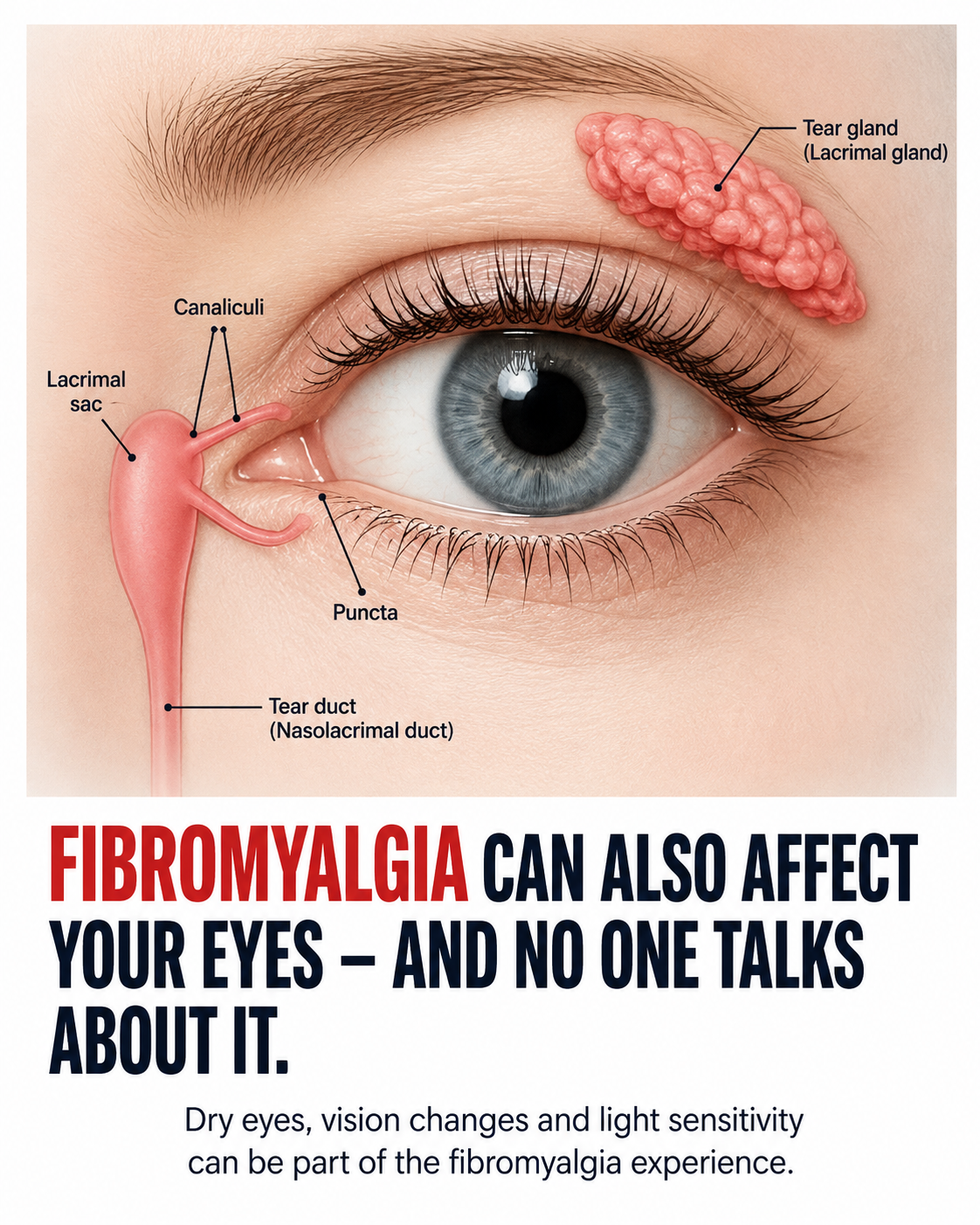
Read MoreFIBROMYALGIA CAN ALSO AFFECT YOUR EYES – AND NO ONE TALKS ABOUT IT.
Fibromyalgia is a complex chronic condition primarily known for causing widespread pain, intense fatigue, and sleep disturbances. However, many people are unaware that it can also affect the eyes, leading to symptoms that significantly impact quality of life. Key Ophthalmological Symptoms of Fibromyalgia People with fibromyalgia may experience symptoms in their eyes that often go unnoticed or are attributed to other causes. These include: Burning and stinging sensations in the eyes – a constant feeling of irritation, as if something is scratching the surface of the eye. Dry eyes –…
Read MoreDID YOU KNOW FIBROMYALGIA CAN AFFECT YOUR BLADDER?
Fibromyalgia is well known for widespread muscle pain and intense fatigue, but it can also affect internal organs, including the bladder, causing symptoms of an overactive or irritated bladder. This means you may feel the need to urinate frequently, experience urgency, or even have pain when urinating, even without an infection. 😣 🔹 Why does this happen? It is believed that fibromyalgia involves changes in pain perception and communication within the central nervous system. The body of someone with fibromyalgia may interpret normal stimuli as painful or uncomfortable. This can…
Read More