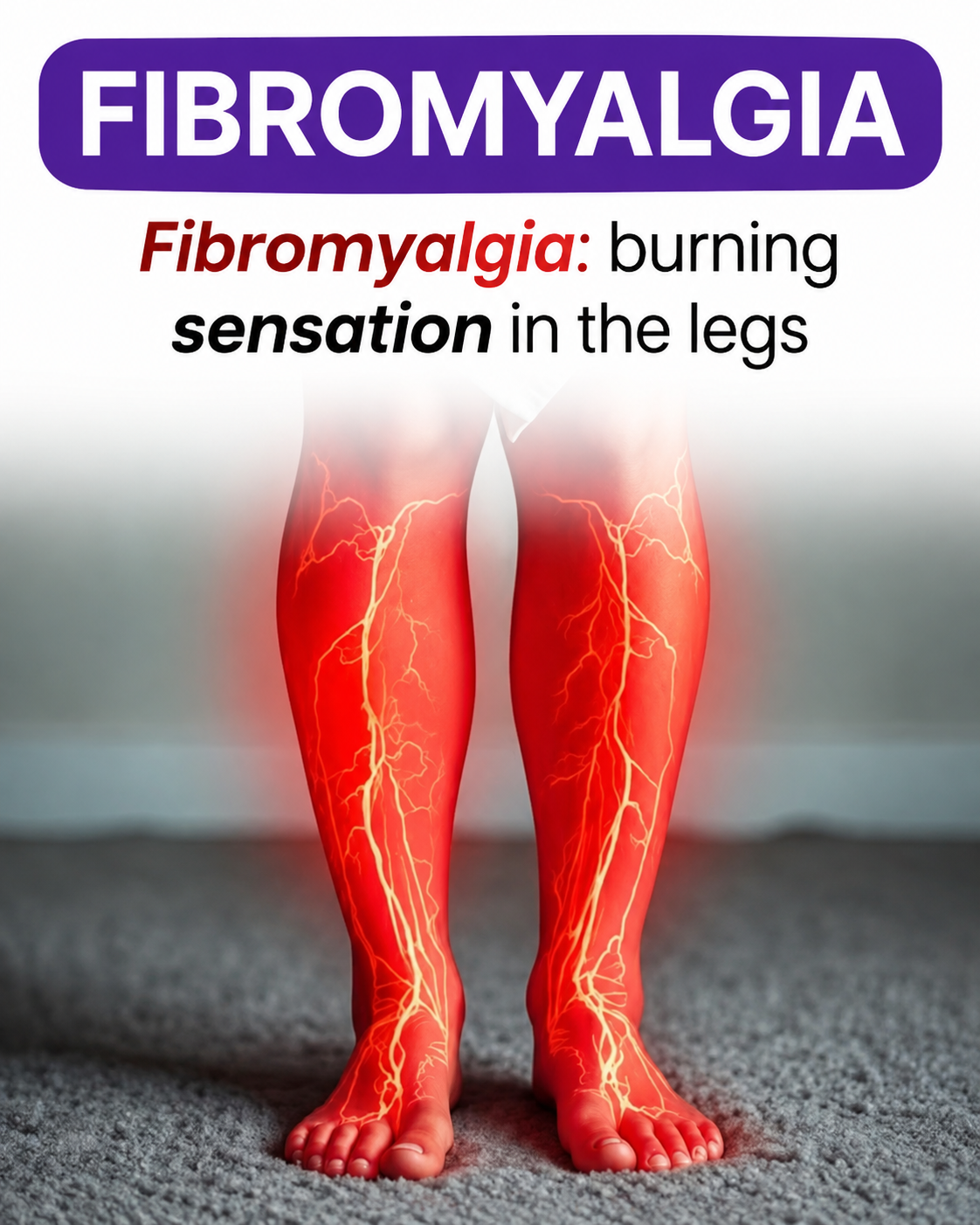
In fibromyalgia, leg pain can be accompanied by a burning sensation, tingling, heaviness, or increased muscle sensitivity. This discomfort can affect the shoulders, calves, and even the feet, varying in intensity throughout the day. Some people describe the sensation as if their legs are tired, inflamed, or “on fire,” even after light activities or periods of rest.
This type of symptom is related to central sensitization, a mechanism in which the central nervous system amplifies sensory signals from the body. In fibromyalgia, the brain and spinal cord may interpret normal muscle stimuli as painful or irritating. As a result, small muscle tensions, daily physical exertion, or even prolonged periods in the same position can trigger pain or a burning sensation.
Persistent fatigue and non-restorative sleep also contribute to the intensification of pain in the legs. During the night, when deep sleep does not occur properly, the body does not fully complete muscle recovery processes. As a result, throughout the day, a feeling of heaviness, weakness, or continuous discomfort may arise in the legs.
Pain and burning sensations in the legs in fibromyalgia do not necessarily indicate a muscle injury or detectable local inflammation. These symptoms reflect alterations in the central processing of pain and sensitivity, in which the nervous system remains in a state of hypersensitivity, making common muscle areas more susceptible to discomfort.
Fibromyalgia leg pain can feel very different from ordinary muscle soreness. Some people experience a deep, aching discomfort, while others describe their legs as burning, tingling, heavy, weak, or unusually sensitive. The sensation may affect the thighs, calves, knees, ankles, or feet and can change throughout the day.
For some people with fibromyalgia, even a relatively easy walk, standing for a short period, or sitting in one position can make the legs feel uncomfortable. Others may wake up with aching or heavy legs despite spending the night in bed. This can be frustrating, particularly when there appears to be no obvious injury or physical explanation for the intensity of the pain.
Fibromyalgia is a chronic condition associated with widespread pain and changes in how the nervous system processes sensory information. One important concept used to explain these symptoms is central sensitization. In simple terms, the nervous system can become unusually sensitive to signals that would normally be interpreted as harmless or only mildly uncomfortable.
Understanding why fibromyalgia can cause burning legs, tingling, muscle sensitivity, and fatigue can make these symptoms easier to recognize and manage. It is also important to remember that not every type of leg pain is caused by fibromyalgia. New, severe, or unusual symptoms should be discussed with a healthcare professional.
What Does Fibromyalgia Leg Pain Feel Like?
There is no single description of fibromyalgia leg pain. Symptoms can vary considerably from one person to another and may even change from one day to the next.
Common descriptions include:
- Burning or “on fire” sensations
- Deep aching in the muscles
- Tingling or prickling
- Heavy or tired legs
- Muscle tenderness
- Stiffness
- Throbbing discomfort
- A feeling of weakness or reduced endurance
- Increased sensitivity to touch
- Pain after relatively light physical activity
- Discomfort that becomes worse after sitting or standing for a long time
Some people describe their legs as feeling as though they have completed a strenuous workout even when they have not done anything particularly demanding. Others notice that their calves or thighs become uncomfortable after walking, climbing stairs, or remaining in one position.
Fibromyalgia pain can also move around. A person may notice more discomfort in the calves on one day and greater pain in the thighs, shoulders, hips, or feet on another.
This variability is one reason fibromyalgia leg pain can be difficult to understand. The symptoms may not follow the pattern expected from a traditional muscle injury.
Burning Legs and Fibromyalgia
A burning sensation in the legs is one of the more unusual ways people describe fibromyalgia pain. The feeling may be mild and intermittent or intense enough to interfere with concentration, sleep, walking, or daily activities.
Some people describe the sensation as warmth, while others say it feels as though their muscles are “on fire.” Importantly, the subjective sensation of burning does not necessarily mean that the tissues are literally hot or inflamed.
Changes in pain processing may cause ordinary sensory information to be experienced as unpleasant or painful. This is one reason fibromyalgia pain can feel disproportionately intense compared with the activity that preceded it.
However, burning sensations can also occur with other conditions, including certain nerve problems, circulation disorders, nutritional deficiencies, medication effects, and other medical conditions. Persistent burning or a new burning sensation should therefore not automatically be attributed to fibromyalgia.
Why Does Fibromyalgia Cause Leg Pain?
Fibromyalgia is associated with altered pain processing within the nervous system. Rather than simply representing damage to muscles or joints, widespread fibromyalgia pain is thought to involve changes in the way the brain and spinal cord process incoming sensory signals.
Understanding Central Sensitization
Central sensitization is an important concept when discussing fibromyalgia pain.
The nervous system continuously receives information from the body. Under normal circumstances, the brain evaluates these signals and determines whether they represent something harmful, uncomfortable, or insignificant.
With central sensitization, this processing can become more sensitive. Signals that might ordinarily produce little discomfort may be interpreted as painful or irritating.
This can help explain why relatively minor physical stress can sometimes produce substantial discomfort in someone with fibromyalgia.
For example, a healthy person may spend several hours sitting and experience only mild stiffness when standing. Someone with fibromyalgia may experience significant aching, tightness, or burning in the legs after the same period.
Similarly, a short walk may produce normal muscle fatigue in one person but trigger considerable leg pain in someone whose nervous system is more sensitive to sensory input.
Central sensitization does not mean that the pain is imaginary. The discomfort is real. Rather, it describes a change in how pain and sensory information are processed.
Why Light Activity Can Trigger Pain
Physical activity is generally beneficial for overall health, but people with fibromyalgia may need to approach activity gradually.
Muscles naturally experience small amounts of stress during movement. Normally, the body processes these signals without producing significant pain. In fibromyalgia, heightened sensitivity may make these ordinary sensations feel much more uncomfortable.
This can create a difficult cycle:
Activity → increased muscle sensations → increased pain → reduced activity → deconditioning → greater difficulty with activity.
That does not mean exercise should be avoided completely. Instead, many people benefit from pacing activities and gradually building physical capacity according to their individual tolerance.
Overdoing activity on a good day can sometimes result in increased symptoms afterward. Learning to recognize personal limits may help reduce these fluctuations.
Fibromyalgia Leg Pain, Fatigue, and Poor Sleep
Pain is not the only factor that can make the legs feel heavy or uncomfortable. Fatigue and poor-quality sleep can also influence how symptoms are experienced.
Many people with fibromyalgia report waking up feeling tired even after spending adequate time in bed. Sleep may be disrupted, fragmented, or insufficiently restorative.
When sleep quality is poor, the body and nervous system may have more difficulty coping with pain and physical stress during the following day. Consequently, existing fibromyalgia symptoms may feel more intense.
Heavy and Tired Legs
A sensation of heavy legs can be particularly frustrating. The person may feel as though their legs require extra effort to move, even when there is no obvious physical injury.
The sensation may be associated with:
- Persistent fatigue
- Poor sleep
- Muscle stiffness
- Widespread pain
- Reduced physical conditioning
- Prolonged inactivity
- Increased nervous-system sensitivity
Some people notice that their legs feel particularly heavy in the morning. Others experience worsening discomfort later in the day after accumulating physical and mental stress.
It is important to distinguish a subjective sensation of heaviness from true muscle weakness. If someone is actually losing strength, repeatedly falling, having difficulty lifting a foot, or developing sudden weakness, medical evaluation is important.
Can Fibromyalgia Cause Tingling in the Legs and Feet?
Tingling, pins-and-needles sensations, or unusual sensitivity can occur in people with fibromyalgia. These sensations may affect the legs, feet, hands, or other parts of the body.
However, tingling is not specific to fibromyalgia.
A number of other conditions can produce similar symptoms, including peripheral nerve disorders, diabetes, vitamin deficiencies, nerve compression, circulation problems, and certain medications.
For this reason, persistent or progressive numbness and tingling should not simply be assumed to be part of fibromyalgia.
The pattern of symptoms can provide useful information. For example, symptoms that are consistently concentrated in a particular nerve distribution may require a different evaluation from widespread, fluctuating discomfort.
Fibromyalgia and Foot Pain
Fibromyalgia can involve pain or sensitivity in the feet as part of widespread musculoskeletal symptoms. Some people report aching soles, tender feet, burning sensations, or discomfort after standing or walking.
Foot discomfort may also contribute to changes in the way a person walks. When movement becomes uncomfortable, people may unconsciously alter their posture or gait, potentially placing additional stress on the legs, hips, or lower back.
Appropriate footwear, activity pacing, gentle movement, and addressing other causes of foot pain can be useful components of symptom management.
Why Fibromyalgia Pain May Feel Worse After Rest
It may seem surprising that a person can experience leg pain after resting rather than exercising. However, remaining in the same position for an extended period can contribute to stiffness and discomfort.
For example, after sitting at a desk for several hours, a person may stand and immediately notice tight calves, aching thighs, or uncomfortable feet.
Similarly, getting out of bed in the morning may be accompanied by stiffness or widespread soreness.
This does not necessarily mean that rest is harmful. Rest remains important, particularly when fatigue is severe. The goal is often to find a balance between adequate recovery and avoiding prolonged inactivity.
Gentle movement throughout the day may help some people manage stiffness. Even short periods of light activity can be easier to tolerate than attempting a large amount of exercise all at once.
Fibromyalgia Leg Pain Management
There is no single treatment that eliminates fibromyalgia leg pain for everyone. Management generally involves a combination of approaches tailored to the individual’s symptoms and overall health.
Gentle, Gradual Movement
Low-impact activities may be easier to tolerate than intense workouts. Depending on a person’s abilities, options can include:
- Walking
- Gentle stretching
- Water-based exercise
- Light cycling
- Mobility exercises
- Beginner-level strengthening
Starting slowly is important. Increasing activity too quickly may cause a temporary increase in symptoms.
Pacing Daily Activities
Pacing means balancing activity and recovery rather than repeatedly pushing through severe symptoms.
Instead of completing a large household task in one session, for example, a person might divide it into smaller periods with breaks between them.
This approach may help reduce the cycle of doing too much on a good day and experiencing a significant flare afterward.
Improving Sleep Habits
Because poor sleep can make pain and fatigue harder to manage, maintaining a consistent sleep routine may be helpful.
Helpful habits can include keeping a regular bedtime, limiting stimulating activities before bed, creating a comfortable sleeping environment, and discussing persistent sleep problems with a healthcare professional.
If someone snores heavily, wakes repeatedly, or remains extremely tired despite sufficient time in bed, it may also be worth discussing possible sleep disorders with a clinician.
Heat and Other Comfort Measures
Some people find temporary relief from warmth, such as a warm shower, heating pad, or bath. Others prefer cooling strategies.
The response is highly individual. Heat should be used safely to avoid burns, particularly if someone has reduced sensation.
Gentle massage or relaxation techniques may also provide short-term comfort for some people.
When Should Leg Pain Be Checked by a Doctor?
Although leg pain can occur with fibromyalgia, it is important not to automatically attribute every new symptom to the condition.
Medical evaluation is particularly important when leg symptoms are:
- Sudden or severe
- Clearly different from usual fibromyalgia symptoms
- Associated with significant swelling
- Accompanied by redness or marked warmth
- Associated with sudden weakness
- Causing difficulty walking
- Accompanied by persistent numbness
- Progressively worsening
- Associated with chest pain or breathing difficulty
A healthcare professional can assess the pattern of symptoms and determine whether additional testing is appropriate.
This is especially important because conditions affecting nerves, blood vessels, muscles, joints, or other body systems can sometimes resemble fibromyalgia symptoms.
Frequently Asked Questions About Fibromyalgia Leg Pain
Can fibromyalgia cause burning pain in the legs?
Yes, some people with fibromyalgia describe burning or “on fire” sensations in their legs. Altered sensory and pain processing may contribute to these symptoms. However, burning leg pain can have other causes, so persistent or new symptoms deserve appropriate evaluation.
Why do my legs feel heavy with fibromyalgia?
Heavy legs may be related to fatigue, poor-quality sleep, muscle stiffness, widespread pain, reduced activity, and increased sensitivity to physical sensations. The sensation can fluctuate from day to day.
Can fibromyalgia cause calf pain?
Yes. Calf discomfort can occur as part of widespread fibromyalgia pain. It may feel aching, tight, burning, or unusually sensitive. New swelling, redness, severe pain, or one-sided symptoms should not automatically be assumed to be fibromyalgia.
Does fibromyalgia cause tingling in the feet?
Some people with fibromyalgia report tingling or pins-and-needles sensations. Because similar symptoms can result from nerve problems and other medical conditions, persistent or worsening tingling should be discussed with a healthcare professional.
Why are my legs painful even when I haven’t exercised?
Fibromyalgia involves altered pain processing, meaning physical sensations may sometimes feel painful even without strenuous exercise. Poor sleep, stress, prolonged positioning, fatigue, and changes in activity can also influence symptoms.
Final Thoughts
Fibromyalgia leg pain can take many forms. Burning sensations, aching muscles, tingling, heaviness, stiffness, and increased sensitivity can all make everyday activities more difficult. For some people, the discomfort may appear after light activity; for others, it may be most noticeable after sitting, standing, or resting for an extended period.
Central sensitization provides one important explanation for why normal physical sensations can become painful or irritating. At the same time, fatigue and non-restorative sleep can make pain harder to tolerate and may contribute to the familiar feeling of heavy, exhausted legs.
The most important point is that fibromyalgia pain is real, even when there is no obvious muscle injury or visible inflammation explaining its severity.
Managing symptoms usually involves a combination of gradual physical activity, pacing, sleep improvement, appropriate medical care, and individualized strategies for reducing discomfort. Because leg pain and burning sensations can also occur with other conditions, unusual, severe, sudden, or progressive symptoms should always receive appropriate medical attention.
With the right approach, understanding the relationship between fibromyalgia, pain sensitivity, fatigue, sleep, and physical activity can make symptoms easier to recognize and manage.