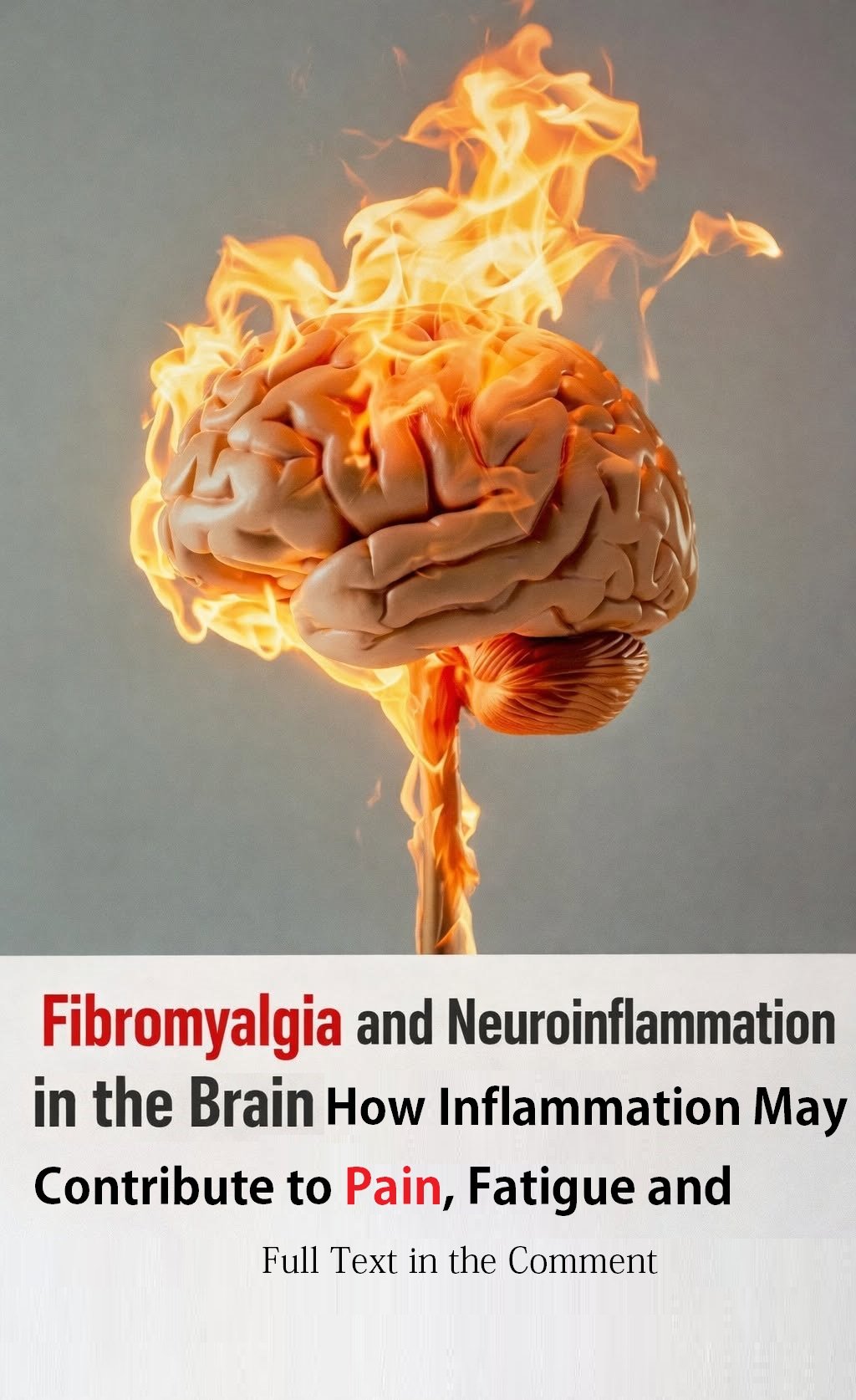
Living with fibromyalgia can feel like the body is constantly reacting to things that should not be painful. A light touch, ordinary movement, temperature changes, loud sounds or even a poor night’s sleep may trigger discomfort that seems disproportionate to what is happening physically. For many people, fibromyalgia is not just widespread pain; it also involves exhaustion, sleep disturbances, memory problems, emotional difficulties and heightened sensitivity to everyday sensations.
Scientists are increasingly investigating how the central nervous system contributes to these experiences. One area receiving considerable attention is neuroinflammation, a term used to describe inflammatory-like responses and changes in immune signaling within the nervous system.
Unlike inflammation associated with a swollen knee or an injured muscle, neuroinflammation involves processes within the brain, spinal cord and their supporting cells. Researchers are investigating whether changes in these processes may contribute to pain amplification, altered sensory processing and other symptoms experienced by people with fibromyalgia.
Neuroinflammation is not yet established as the single cause of fibromyalgia. However, understanding how the nervous system, immune signaling and pain pathways interact may help explain why fibromyalgia affects so many aspects of daily life.
1. What Is Neuroinflammation and How Is It Different From Ordinary Inflammation?
Inflammation is a natural response that helps the body protect itself and recover from injury, infection or tissue damage. When someone develops a sprain, cut or infection, the immune system activates processes that can cause swelling, redness, warmth and tenderness.
However, inflammation-related processes within the nervous system are more complex.
Neuroinflammation refers to immune signaling, cellular responses and inflammatory-related activity occurring within the central nervous system, which includes the brain and spinal cord.
The central nervous system has its own specialized immune-related cells and protective mechanisms. These cells help maintain a healthy environment for neurons, support communication between nerve cells and respond to injury or changes in the surrounding tissue.
In fibromyalgia, researchers are investigating whether changes in these processes may contribute to the altered pain processing associated with the condition.
This is different from saying that every person with fibromyalgia has ongoing brain inflammation. Neuroinflammation is a broad scientific term, and its effects can vary depending on the cause, intensity, duration and location of the underlying processes.
Why neuroinflammation matters in chronic pain
The nervous system does more than transmit pain signals. It also determines how signals are interpreted, how strongly they are experienced and whether they are amplified or suppressed.
When pain-processing systems become dysregulated, signals that would ordinarily be experienced as mild discomfort may feel significantly more painful.
This phenomenon is associated with central sensitization, a process involving increased responsiveness of pain-related neurons within the central nervous system.
Central sensitization is particularly relevant to fibromyalgia because it may help explain:
-
Widespread pain across multiple areas of the body.
-
Increased sensitivity to touch and pressure.
-
Discomfort from temperature changes.
-
Pain that persists despite the absence of an obvious tissue injury.
-
Heightened responses to normally nonpainful sensations.
Neuroinflammation and central sensitization are related research areas, but they are not interchangeable terms. Central sensitization describes altered responsiveness in pain-processing systems, whereas neuroinflammation describes a range of immune and inflammatory-related processes within the nervous system.
Scientists are studying whether neuroinflammatory mechanisms may contribute to central sensitization in some people with fibromyalgia.
2. Microglia and Astrocytes: The Cells Researchers Are Investigating
The brain is not made up only of neurons. It also contains specialized cells called glia, which perform important functions in maintaining the nervous system.
Two types of glial cells that are frequently discussed in neuroinflammation research are microglia and astrocytes.
These cells help maintain the environment in which neurons function. They support communication, regulate cellular activity, contribute to tissue maintenance and participate in responses to injury and changes within the nervous system.
Researchers are investigating how altered glial activity may contribute to chronic pain conditions, including fibromyalgia.
Microglia: The nervous system’s immune-related cells
Microglia are immune-related cells within the central nervous system. They monitor their surroundings, help maintain tissue health and respond to signals that indicate changes in the nervous system.
Under certain conditions, microglia can change their activity and release signaling molecules that influence other cells.
These signaling molecules can include cytokines and other mediators involved in immune communication.
In experimental models of chronic pain, changes in microglial activity have been associated with altered neuronal excitability and pain processing.
Researchers are investigating whether similar processes may contribute to chronic pain and sensory hypersensitivity in fibromyalgia.
However, direct evidence that persistent microglial activation causes fibromyalgia symptoms in humans remains limited. Much of the detailed understanding of microglia and chronic pain comes from experimental research, and findings cannot automatically be applied to every person living with fibromyalgia.
Astrocytes: Supporting and regulating neuronal communication
Astrocytes are another important type of glial cell.
They help regulate the chemical environment surrounding neurons, support metabolic functions, contribute to communication between cells and help maintain the stability of the nervous system.
Astrocytes can also participate in inflammatory signaling and influence how neurons respond to different stimuli.
When astrocyte activity changes, it may influence the balance of chemical signals that regulate neuronal communication. Researchers are examining whether these changes can contribute to pain amplification and other neurological processes associated with chronic pain.
Microglia and astrocytes do not simply switch between being good or bad cells. Their activity is complex, and their responses depend on the surrounding biological environment.
The important scientific question is whether particular changes in glial signaling contribute to the symptoms of fibromyalgia and whether these processes could eventually become useful treatment targets.
3. How Neuroinflammation May Increase Pain Sensitivity in Fibromyalgia
One of the most difficult aspects of fibromyalgia is the way pain can spread across the body without a clear explanation based on conventional examinations.
A person may experience burning pain, aching muscles, pressure sensitivity, tenderness, tingling or discomfort from clothing and light touch.
Researchers believe that altered pain processing within the central nervous system plays an important role in fibromyalgia.
Neuroinflammatory signaling is one of several mechanisms being investigated in this process.
Changes in pain signaling
The nervous system contains pathways that increase or decrease pain signals. These systems help the brain interpret sensory information and determine how strongly a painful stimulus is experienced.
In chronic pain conditions, the balance between excitatory and inhibitory signaling may become altered.
When pain-related neurons become more responsive, ordinary sensory input may produce an exaggerated response. Researchers describe some of these changes in terms of neuronal excitability and sensitization.
Inflammatory signaling molecules may influence neuronal activity in experimental models by changing the way neurons respond to incoming signals.
These mechanisms could potentially contribute to the heightened pain sensitivity observed in fibromyalgia.
Why normal sensations may feel painful
For someone with fibromyalgia, everyday activities may become difficult because the nervous system reacts more strongly to sensory input.
Examples include:
-
Light touch: A gentle touch, tight clothing or pressure from bedding may feel uncomfortable.
-
Temperature: Cold air, hot environments or sudden temperature changes may trigger discomfort.
-
Movement: Walking, standing, stretching or performing routine activities may aggravate pain.
-
Noise: Loud or repetitive sounds may feel overwhelming.
-
Pressure: Sitting for extended periods or lying in one position may increase discomfort.
These experiences are not imaginary. Pain is a real sensory experience involving complex interactions between the nervous system, biological processes, sensory input and other factors.
Neuroinflammation is one potential contributor being studied, but it does not explain every sensory symptom in every person with fibromyalgia.
4. Fibromyalgia Brain Fog, Memory Problems and Concentration Difficulties
Fibromyalgia brain fog is one of the most frustrating symptoms reported by many people living with the condition.
Some people struggle to remember words, follow conversations, organize tasks, concentrate on reading or remember what they were doing moments earlier.
These difficulties are often referred to as fibro fog.
Although the exact causes are not fully understood, cognitive symptoms may be influenced by several interacting factors, including chronic pain, poor sleep, stress, medication effects, fatigue and altered cognitive processing.
Researchers are also investigating whether inflammatory signaling and nervous-system changes may contribute to cognitive symptoms in chronic pain conditions.
Why concentration may become difficult
The brain constantly processes information from the body and the surrounding environment.
When someone experiences persistent pain, attention and cognitive resources may become heavily occupied by the pain experience. This may make it more difficult to concentrate on other activities.
Poor sleep can further interfere with memory, attention and problem-solving.
Fatigue may also reduce the ability to complete tasks that normally require little effort.
This combination may create a frustrating cycle in which pain interferes with concentration, cognitive difficulties increase stress and stress contributes to worsening symptoms.
Memory problems and mental exhaustion
Fibromyalgia brain fog does not necessarily mean that the brain is permanently damaged.
Cognitive symptoms can fluctuate, sometimes becoming more noticeable during pain flares, periods of poor sleep or stressful situations.
Some people experience relatively clear periods followed by days when remembering information or organizing their thoughts feels significantly more difficult.
Understanding these fluctuations may help people recognize that cognitive symptoms are part of the broader symptom experience associated with fibromyalgia, rather than a personal failure or lack of effort.
5. Neuroinflammation, Sleep Problems, Depression and Anxiety
Fibromyalgia frequently involves sleep disturbances, emotional difficulties and fatigue.
Although neuroinflammation is being investigated in relation to these symptoms, their causes are multifactorial. Pain, stress, sleep disruption, nervous-system regulation, psychological factors and other health conditions may all contribute.
Fibromyalgia and non-restorative sleep
Many people with fibromyalgia report waking up tired even after spending several hours in bed.
Non-restorative sleep refers to sleep that does not leave a person feeling refreshed. People may experience frequent awakenings, difficulty falling asleep or a feeling that they never reach restful sleep.
Sleep disturbances may also increase pain sensitivity.
Research into sleep and pain suggests that disrupted sleep can influence pain processing and may contribute to greater pain sensitivity. At the same time, chronic pain can interfere with sleep, creating a cycle that is difficult to break.
This relationship is important when considering fibromyalgia treatment because addressing sleep problems may help improve other symptoms for some individuals.
Fibromyalgia and depression
Living with persistent pain can have a substantial emotional impact.
Fibromyalgia may interfere with work, relationships, household activities, social participation and personal independence. When everyday tasks become difficult, people may experience frustration, sadness, anxiety or feelings of isolation.
Depression is also a condition that can coexist with fibromyalgia and deserves appropriate recognition and treatment.
Researchers are examining whether changes in inflammatory signaling, nervous-system regulation and brain activity may contribute to overlapping symptoms of chronic pain and depression.
However, neuroinflammation has not been established as the universal cause of depression in fibromyalgia.
Depressive symptoms should not be dismissed as simply a consequence of pain, and people experiencing persistent sadness, loss of interest, hopelessness or emotional distress deserve professional support.
Anxiety and the body’s stress response
Chronic pain may make the body feel as though it is constantly dealing with a challenge.
Pain flare-ups, unpredictable symptoms, financial pressure, disrupted sleep and uncertainty about the future can increase stress.
Stress can also influence pain processing, sleep and emotional regulation.
This does not mean fibromyalgia is caused by stress. Rather, stress and pain can interact through biological and psychological pathways, potentially affecting symptom severity.
Learning ways to manage stress may be helpful as part of a broader treatment approach, although stress management alone is not a cure for fibromyalgia.
6. Why Neuroinflammation Is Difficult to Detect With Routine Tests
One of the confusing aspects of fibromyalgia is that people may experience severe symptoms despite having normal or relatively unremarkable routine laboratory tests.
Fibromyalgia is not diagnosed using a single blood test, MRI scan or inflammation marker.
Routine blood tests may help healthcare professionals rule out other conditions or identify coexisting problems, but they cannot confirm or exclude fibromyalgia on their own.
Similarly, a conventional MRI is not designed to establish whether neuroinflammatory processes associated with fibromyalgia are occurring.
It is important to understand that normal blood tests do not mean that fibromyalgia pain is not real.
However, it would also be inaccurate to assume that every person with fibromyalgia has undetectable brain inflammation.
Neuroinflammation is an active area of scientific research, and investigators are exploring imaging methods, biomarkers and other approaches to better understand the mechanisms involved in chronic pain.
The challenge is to identify biological changes that are consistently associated with fibromyalgia and determine whether they can improve diagnosis, treatment selection or symptom management.
7. Can Neuroinflammation Be Reduced? What Current Treatment Approaches Can Help?
Although researchers are investigating neuroinflammation as a potential therapeutic target, there is currently no established treatment that specifically reverses neuroinflammation to cure fibromyalgia.
Current fibromyalgia management focuses on improving symptoms, physical function, sleep, daily activities and quality of life.
Treatment plans may include different approaches depending on the individual’s symptoms, medical history and preferences.
Gentle and paced physical activity
Physical activity can be helpful for many people with fibromyalgia, but the approach matters.
Starting with manageable activities and gradually increasing intensity may help avoid overwhelming the body.
Some people benefit from walking, gentle stretching, aquatic exercise or other low-impact activities.
The goal is not to push through severe pain but to develop a sustainable routine that respects individual limitations.
Sleep improvement
Improving sleep habits may help reduce the impact of fatigue and pain.
Strategies may include maintaining a consistent sleep schedule, reducing stimulating activities before bed and discussing persistent sleep problems with a healthcare professional.
Sleep disorders such as sleep apnea or restless legs syndrome may also need evaluation when symptoms suggest their presence.
Psychological therapies
Cognitive behavioral therapy and other psychological approaches may help people develop coping strategies for chronic pain, stress and sleep difficulties.
These therapies do not imply that fibromyalgia is psychological.
They are approaches designed to support people living with complex chronic conditions and may help improve function, coping and emotional well-being.
Medications and individualized treatment
Healthcare professionals may consider medications for pain, sleep difficulties or associated symptoms.
Medication decisions should be individualized, particularly because people with fibromyalgia may experience side effects or have other medical conditions.
There is no evidence from the neuroinflammation discussion above that taking anti-inflammatory medications, antioxidants or immune-modulating drugs will automatically improve fibromyalgia symptoms.
People should avoid starting prescription treatments or high-dose supplements based on claims about brain inflammation without discussing them with a qualified healthcare professional.
8. What Future Fibromyalgia Research May Reveal About Neuroinflammation
Neuroinflammation research is helping scientists investigate the complex interactions between nervous-system cells, pain pathways and immune-related signaling.
Future studies may help clarify:
-
Whether particular neuroinflammatory processes are consistently present in fibromyalgia.
-
How microglia and astrocytes influence chronic pain in humans.
-
Whether neuroinflammatory biomarkers can help identify specific patient subgroups.
-
How inflammatory signaling interacts with central sensitization.
-
Whether treatments targeting particular biological pathways can improve symptoms.
-
Why some people experience more severe fatigue, sleep problems or cognitive symptoms than others.
The ultimate goal is not simply to identify inflammation, but to understand which biological mechanisms contribute to symptoms and whether they can be safely and effectively targeted.
Fibromyalgia is likely to involve multiple interacting mechanisms, and future treatments may be designed to address different symptom patterns rather than relying on one universal approach.
Final Thoughts: Is Neuroinflammation the Missing Piece in Fibromyalgia?
Neuroinflammation is an important research area that may help scientists better understand fibromyalgia and the complex relationship between chronic pain, sensory sensitivity, sleep disturbances, fatigue and emotional symptoms.
Microglia and astrocytes are involved in maintaining and regulating the nervous system, and researchers are investigating how changes in their activity and inflammatory signaling may influence pain-processing pathways.
These findings offer potential explanations for why fibromyalgia can affect the entire experience of daily life, even when routine medical tests do not reveal obvious tissue damage.
However, neuroinflammation is not yet proven to be the single underlying cause of fibromyalgia, and it should not be presented as a confirmed mechanism in every patient.
Fibromyalgia is a real, complex condition involving altered pain processing and multiple interacting biological and clinical factors. Continued research into neuroinflammation may eventually contribute to more targeted and effective treatments.
Understanding these mechanisms is an important step toward better care, greater awareness and improved quality of life for people living with fibromyalgia.