Is Fibromyalgia the 6th Most Painful Chronic Illness?
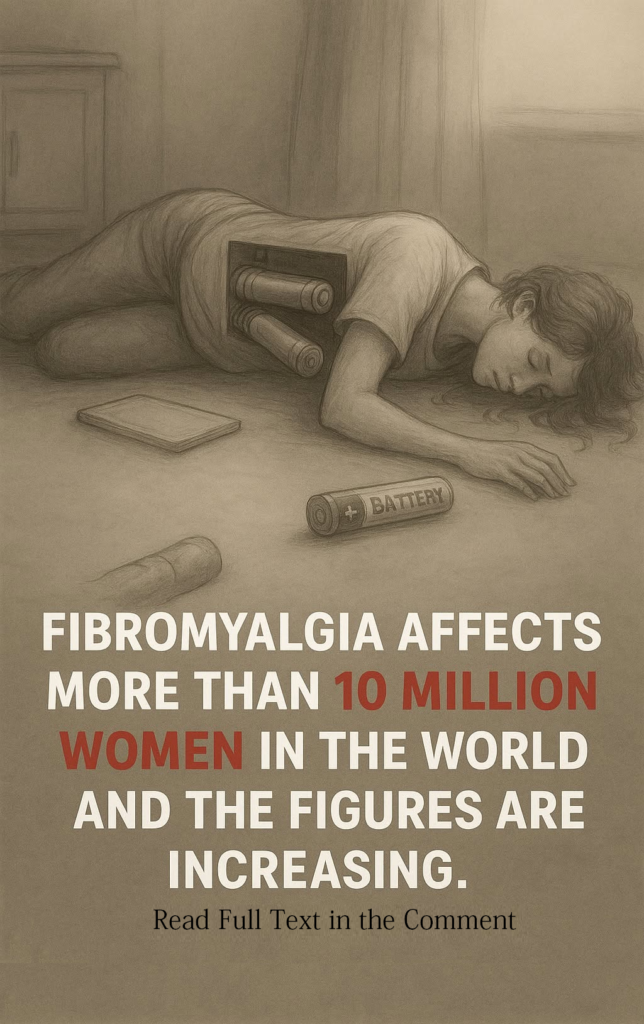
Imagine waking up every morning feeling as though your entire body has been through a physically exhausting experience. Your muscles ache, your joints feel stiff, even gentle pressure can become uncomfortable, and ordinary activities such as getting dressed, preparing breakfast or walking around the house may require considerable effort.
For millions of people living with fibromyalgia, this is not an occasional experience. It is part of everyday life.
Fibromyalgia is a chronic condition associated with widespread musculoskeletal pain, fatigue, sleep disturbances and increased sensitivity to pain. Although the condition does not always produce visible signs of injury or inflammation, the pain experienced by patients can be severe and significantly affect their quality of life.
A claim sometimes shared in online fibromyalgia communities suggests that fibromyalgia is the sixth most painful chronic illness, following kidney stones, gout, lupus, rheumatoid arthritis and cardiac conditions.
But is this ranking scientifically established?
There is currently no universally accepted medical list that places fibromyalgia at number six among the world’s most painful chronic illnesses. Pain is subjective, and its intensity can vary depending on the individual, the condition, the stage of illness and other contributing factors.
However, research confirms that fibromyalgia can cause substantial pain and disability. The US Centers for Disease Control and Prevention (CDC) explains that people with fibromyalgia may experience increased sensitivity to pain because of changes in pain perception and processing.
This makes fibromyalgia much more than ordinary muscle soreness. It is a complex chronic pain condition that deserves recognition, proper diagnosis and appropriate treatment.
1. Why Is Fibromyalgia Pain So Severe?
One of the most confusing aspects of fibromyalgia is that people can experience intense pain without an obvious injury or visible tissue damage.
Unlike conditions in which pain is primarily associated with an injured muscle, damaged joint or inflamed tissue, fibromyalgia involves changes in how the nervous system processes pain signals.
This phenomenon is commonly associated with central sensitization and nociplastic pain.
In simple terms, the nervous system becomes unusually sensitive to signals that might not cause the same level of discomfort in someone without fibromyalgia.
As a result, ordinary sensations can sometimes become painful.
For example:
- Wearing tight clothing may cause discomfort.
- A gentle massage may feel painful rather than relaxing.
- Sitting in one position for too long may increase muscle pain.
- Walking or standing for extended periods may trigger a flare.
- Even light pressure on certain body areas may feel unusually intense.
This increased sensitivity can make everyday activities exhausting.
Understanding central sensitization
The central nervous system consists of the brain and spinal cord. These structures receive, process and interpret information from different parts of the body.
In people with fibromyalgia, research suggests that pain-processing pathways may become more responsive.
This can contribute to increased pain sensitivity, widespread discomfort and persistent symptoms.
Central sensitization also helps explain why fibromyalgia pain may continue even when there is no obvious ongoing injury.
It is important to understand that fibromyalgia pain is real. The absence of visible damage on an X-ray or routine examination does not mean someone is exaggerating their symptoms.
The National Institutes of Health describes fibromyalgia as a chronic disorder involving widespread pain, tenderness, fatigue and sleep difficulties.
2. Fibromyalgia Compared With Other Painful Chronic Illnesses
Different medical conditions can cause extremely intense pain. However, their underlying mechanisms, duration and patterns are not the same.
Understanding these differences provides a more meaningful comparison than assigning each condition a numerical position.
Kidney Stones: Sudden and Intense Pain
Kidney stones are widely recognized as a cause of severe acute pain.
When a stone moves through the urinary tract, it can obstruct the flow of urine and produce intense discomfort.
People commonly experience:
- Severe pain in the back or side.
- Pain that spreads toward the lower abdomen or groin.
- Nausea and vomiting.
- Blood in the urine.
- Waves of intense pain.
Kidney stone pain is often sudden and may require emergency medical attention.
Fibromyalgia, on the other hand, generally involves persistent or recurring widespread pain rather than one sudden episode caused by an obstruction.
For someone with fibromyalgia, the challenge may be dealing with pain every day, including periods when symptoms become significantly worse.
Gout: Extremely Painful Joint Inflammation
Gout is another condition associated with severe pain.
It develops when uric acid crystals accumulate in joints, causing inflammatory attacks.
A gout flare can produce:
- Sudden joint pain.
- Swelling and redness.
- Increased warmth around the affected joint.
- Extreme tenderness.
- Difficulty walking or moving the affected area.
The big toe is a common location, although gout can affect other joints.
Unlike fibromyalgia, gout involves crystal-related inflammation.
Fibromyalgia pain is generally widespread and is not explained by the same inflammatory process.
Both conditions can interfere with daily activities, but their causes and treatment approaches are different.
Lupus: A Complex Autoimmune Disease
Systemic lupus erythematosus, commonly called lupus, is an autoimmune disease that can affect multiple organs and body systems.
It can cause joint pain, muscle discomfort, fatigue, skin problems and inflammation.
Some people with lupus experience severe symptoms that interfere with work, sleep and daily activities.
Lupus may also affect the kidneys, heart, lungs and nervous system.
An important connection exists between lupus and fibromyalgia: some people with lupus also develop fibromyalgia.
When both conditions occur together, distinguishing inflammatory symptoms from fibromyalgia-related pain can be challenging.
This is why appropriate medical evaluation is important.
Rheumatoid Arthritis: Pain, Stiffness and Joint Inflammation
Rheumatoid arthritis (RA) is an autoimmune condition that primarily affects the joints.
It can cause persistent inflammation, swelling, stiffness and pain.
Common symptoms include:
- Painful and swollen joints.
- Morning stiffness.
- Warmth around affected joints.
- Reduced mobility.
- Fatigue.
- Difficulty performing everyday tasks.
Fibromyalgia and rheumatoid arthritis can sometimes occur together.
However, rheumatoid arthritis involves inflammatory joint disease, while fibromyalgia is primarily associated with altered pain processing.
People with both conditions may experience a particularly difficult combination of symptoms.
Cardiac Conditions: Pain That Requires Immediate Attention
Heart-related conditions can also cause severe pain.
For example, a heart attack may produce pressure, tightness or discomfort in the chest. Pain may also spread to the arms, back, neck or jaw.
Other symptoms can include shortness of breath, sweating, nausea and dizziness.
Unlike fibromyalgia, cardiac pain may indicate a life-threatening medical emergency.
New or unexplained chest pain should never automatically be attributed to fibromyalgia. Seek emergency medical assistance if a heart attack is suspected.
These comparisons demonstrate why pain severity cannot be reduced to a simple ranking. Each condition produces different types of pain and carries different medical risks.
3. Why Fibromyalgia Can Feel Like Pain Throughout the Entire Body
One of the defining features of fibromyalgia is widespread pain.
Rather than affecting only one joint or muscle, discomfort may occur in several regions of the body simultaneously.
People frequently describe their pain as:
- Deep muscle aching.
- Burning sensations.
- Sharp or stabbing discomfort.
- Throbbing pain.
- Muscle tenderness.
- Joint stiffness.
- Electric-shock-like sensations.
The location and intensity of symptoms may change throughout the day.
Some mornings may begin with manageable discomfort, while other days can involve severe pain and exhaustion.
Common areas affected by fibromyalgia
Neck and shoulders: Persistent tightness, tenderness and burning discomfort can make turning the head or lifting the arms difficult.
Back: Upper and lower back pain may interfere with sitting, standing, sleeping and household activities.
Hips and legs: Pain around the hips, thighs, knees and calves can make walking and climbing stairs challenging.
Arms and hands: Some people experience aching, tenderness, tingling or unusual sensitivity.
Chest and ribs: Musculoskeletal discomfort around the chest wall can sometimes feel frightening, although new chest pain must always be medically assessed.
Feet: Burning, aching and tenderness can make standing or walking uncomfortable.
The widespread nature of these symptoms is one reason fibromyalgia can be so difficult to manage.
4. Fibromyalgia Is More Than Physical Pain
Another reason fibromyalgia can have such a significant impact is that it affects more than muscles and joints.
Many patients experience several overlapping symptoms that can make everyday life difficult.
Fibromyalgia fatigue
Fibromyalgia fatigue is often different from ordinary tiredness.
Someone may sleep for several hours and still wake up feeling exhausted.
This persistent fatigue can affect concentration, motivation, physical activity and the ability to complete routine responsibilities.
Fibro fog and memory problems
Fibro fog refers to cognitive difficulties commonly reported by people with fibromyalgia.
Symptoms may include:
- Difficulty concentrating.
- Forgetting familiar words.
- Trouble remembering information.
- Mental confusion.
- Difficulty following conversations.
- Reduced ability to multitask.
These symptoms can become particularly frustrating when someone is trying to work, study or manage household responsibilities.
Sleep disturbances
Poor sleep is another common fibromyalgia symptom.
People may struggle to fall asleep, wake repeatedly during the night or feel unrefreshed in the morning.
Disrupted sleep can contribute to increased fatigue and make pain more difficult to manage.
Depression and anxiety
Living with persistent pain can also affect emotional well-being.
The inability to participate in previously enjoyable activities, reduced physical independence and uncertainty about symptoms can contribute to emotional distress.
Depression and anxiety may also coexist with fibromyalgia and deserve appropriate treatment.
Importantly, fibromyalgia is not simply a psychological condition. Its physical symptoms are genuine, and emotional support should complement—not replace—medical care.
5. Why Fibromyalgia Pain Can Become Worse During a Flare
Many people with fibromyalgia experience periods when symptoms become significantly more intense.
These episodes are commonly known as fibromyalgia flares.
During a flare, someone who normally manages everyday activities may suddenly struggle with basic tasks.
Pain may become more widespread, fatigue may increase, sleep may become more difficult and concentration may decline.
Several factors can contribute to symptom worsening.
Physical overexertion: Doing too much in one day can sometimes lead to increased pain and exhaustion afterward.
Emotional stress: Stressful situations may affect sleep, muscle tension and pain sensitivity.
Poor sleep: Insufficient or disrupted sleep can make existing symptoms harder to manage.
Weather changes: Some individuals report increased discomfort during changes in temperature, humidity or atmospheric pressure, although responses vary.
Illness: Other infections or health problems can temporarily worsen fatigue and pain.
Changes in routine: Unexpected physical activity, disrupted schedules and prolonged inactivity may affect symptoms.
Recognizing personal triggers can help individuals develop more manageable routines.
6. How Can People Manage Severe Fibromyalgia Pain?
Although fibromyalgia currently has no cure, several approaches can help reduce symptoms and improve quality of life.
Treatment should be individualized because different people respond differently to medications, physical activity and other therapies.
Gentle and consistent physical activity
Appropriately paced movement can help maintain mobility and physical function.
Walking, swimming, stretching and low-impact exercises may be helpful starting points.
The goal is not to push through severe pain. Instead, activity should be adjusted gradually according to individual tolerance.
Improving sleep quality
Developing consistent sleep habits may help people manage fatigue and other symptoms.
Helpful strategies include maintaining a regular sleep schedule, creating a comfortable sleeping environment and limiting stimulating activities before bedtime.
Persistent sleep problems should be discussed with a healthcare professional.
Medication and medical treatment
Healthcare professionals may consider medications such as duloxetine, pregabalin or milnacipran, depending on the patient’s symptoms, medical history and local prescribing guidance.
These medications are not suitable for everyone and may have side effects.
Patients should discuss treatment options with their healthcare providers rather than starting or stopping medication independently.
Psychological support
Cognitive behavioral therapy (CBT) can help people develop strategies for coping with chronic pain, stress and the emotional effects of long-term illness.
It does not mean the pain is imaginary.
Instead, it provides practical tools for managing the impact of a chronic condition.
Learning to pace daily activities
Pacing means balancing physical activity with appropriate rest.
For example, instead of completing every household task in one afternoon, someone may divide activities into smaller steps.
This approach can help reduce overexertion and make daily routines more sustainable.
7. What Does Research Tell Us About Fibromyalgia Pain Severity?
Scientific research confirms that fibromyalgia can produce substantial pain and disability.
The CDC identifies widespread pain, fatigue, sleep problems and emotional distress among its major features.
The National Institutes of Health also describes fibromyalgia as a chronic condition that can interfere with everyday activities.
One important point is that researchers do not have a universally accepted scale for ranking every chronic illness according to pain severity.
Some studies compare average pain scores between specific patient groups. However, these findings cannot automatically be converted into a worldwide ranking.
For example, a comparison of average pain scores does not establish that one condition is always more painful than another. Individual experiences can differ considerably within the same diagnosis.
A person with severe fibromyalgia may experience more persistent pain than someone with another chronic condition, while another individual with fibromyalgia may have comparatively manageable symptoms.
Both experiences are valid.
The important scientific question is not whether fibromyalgia ranks fifth, sixth or tenth. It is how effectively healthcare professionals can recognize, understand and treat the pain experienced by each patient.
Final Thoughts: Fibromyalgia Pain Deserves Recognition
Is fibromyalgia the sixth most painful chronic illness?
There is no reliable universal medical ranking that establishes this exact position. Nevertheless, fibromyalgia is unquestionably a serious chronic pain condition that can affect nearly every aspect of daily life.
Its widespread pain, increased sensitivity, fatigue, sleep disturbances and cognitive symptoms can create significant physical and emotional challenges.
Comparisons with kidney stones, gout, lupus, rheumatoid arthritis and cardiac conditions help illustrate how different illnesses produce different forms of pain. But assigning a numerical position does not capture the daily reality of living with fibromyalgia.
People with fibromyalgia deserve to be heard, believed and supported.
Their pain should not be dismissed simply because it is difficult to see on a medical scan or explain through routine laboratory tests.
Greater awareness, continued research, early recognition and individualized treatment are essential steps toward improving the lives of people living with this condition.
Fibromyalgia may not have an official position on a list of the world’s most painful illnesses, but the suffering experienced by people living with it is real and deserves medical attention, understanding and compassion.