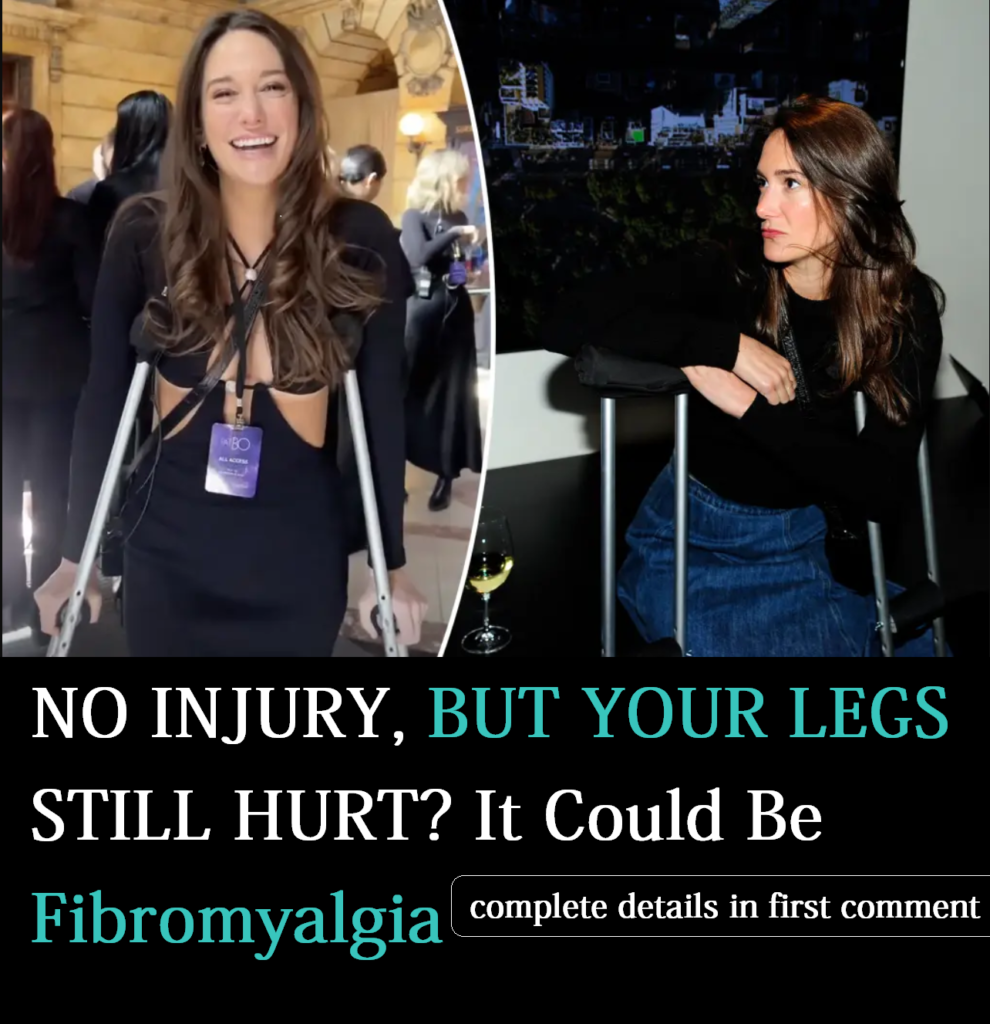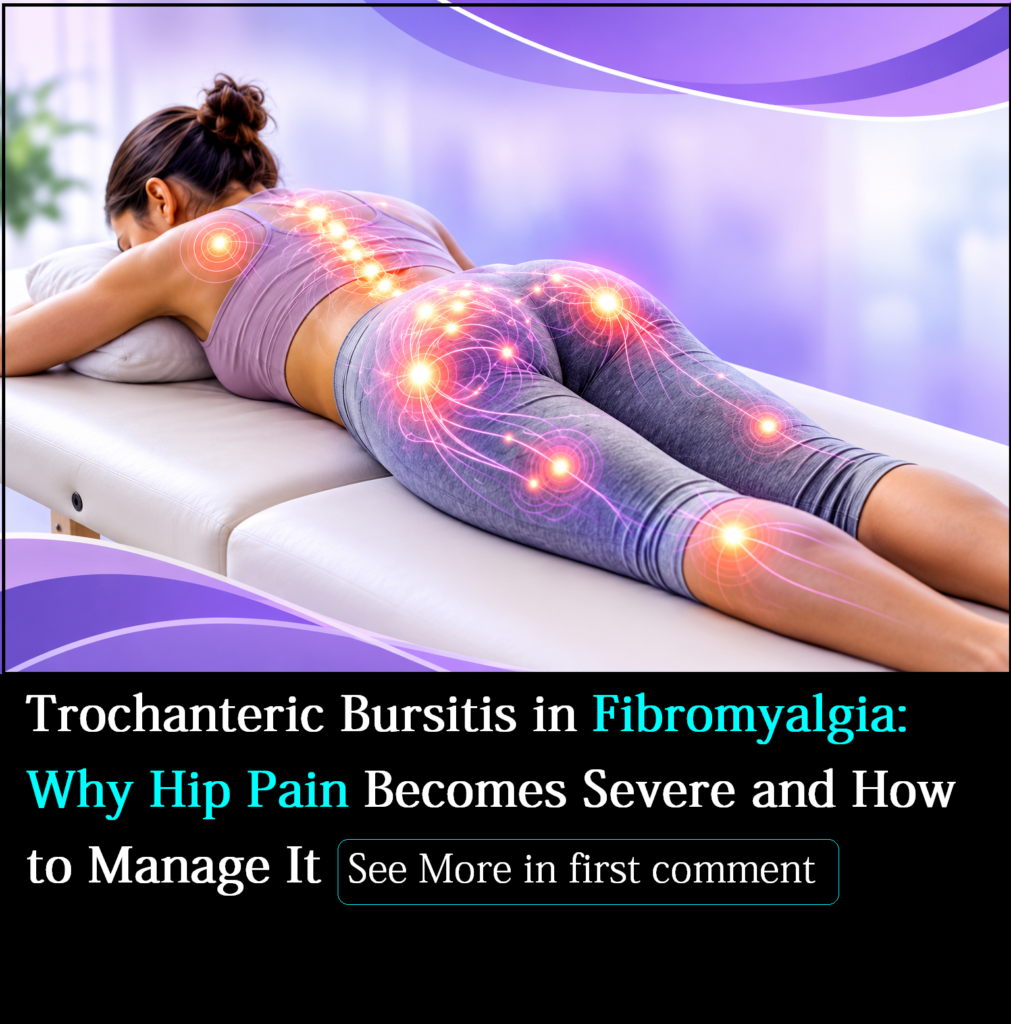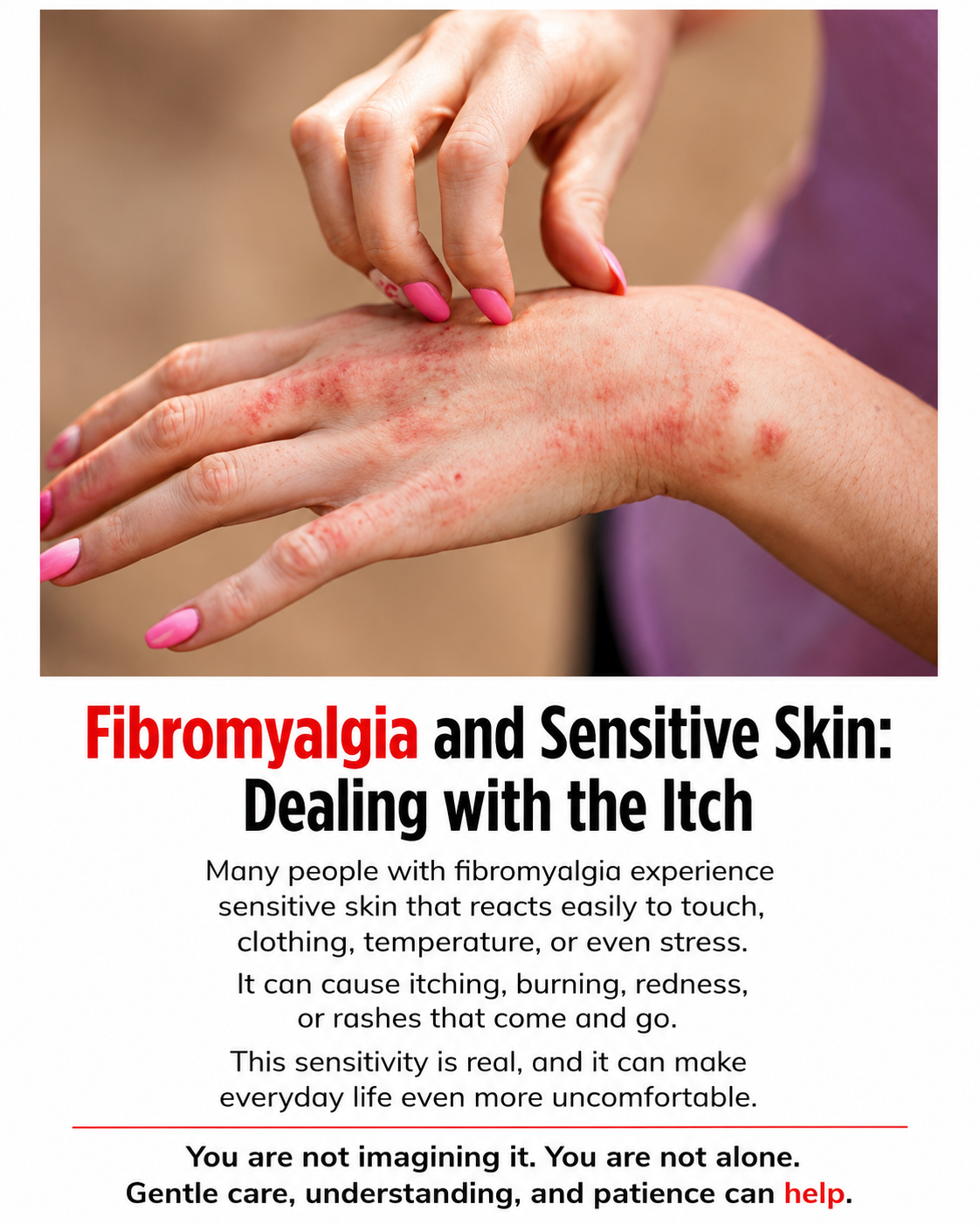
For some people with fibromyalgia, the discomfort may feel like burning, tingling, prickling, itching, stinging, or even tiny electric shocks. The skin may feel bruised or inflamed even when there is no visible rash, wound, swelling, or other obvious change.
One important explanation for this type of pain is allodynia—a condition in which something that normally should not hurt, such as light touch or clothing, is perceived as painful. Allodynia can occur with fibromyalgia and is associated with changes in how the nervous system processes sensory signals.
This article explains why fibromyalgia can cause sensitive skin, what the symptoms may feel like, common triggers, practical ways to reduce discomfort, and when it is important to talk with a healthcare professional.
What Is Fibromyalgia Skin Sensitivity?
Fibromyalgia is a long-term condition associated with widespread pain, fatigue, sleep problems, and changes in the way the nervous system processes pain. Rather than simply being a problem with muscles or joints, fibromyalgia can affect how the brain and spinal cord interpret sensory information.
This is why some people experience skin pain with no visible skin problem.
Under normal circumstances, your nervous system constantly receives information from the body. Touch, pressure, temperature, movement, and other sensations are processed so that your brain can determine whether something is harmless or potentially dangerous.
With increased pain sensitivity, those signals may be amplified.
A light touch that would normally register as harmless may instead be interpreted as painful. This phenomenon is known as allodynia. It can occur with light pressure, clothing rubbing against the skin, gentle touch, or temperature changes.
The result can be confusing. You may look at your skin and see nothing unusual, while the sensation underneath feels intense.
That does not mean the pain is imaginary.
What Does Fibromyalgia Skin Pain Feel Like?
Fibromyalgia skin pain can vary considerably from one person to another. It may also change from day to day, particularly during symptom flare-ups.
Some people describe their skin as feeling:
- Burning or hot
- Tender or bruised
- Tingling or prickling
- Stinging
- Itchy without an obvious rash
- Sensitive to clothing
- Painful when touched
- Like it is being lightly scratched
- As though tiny electric shocks are running across the skin
- Uncomfortable when exposed to temperature changes
Neuropathic-type sensations can include burning, tingling, electric-shock sensations, and pain from normally harmless contact.
For someone experiencing fibromyalgia allodynia, even a soft cotton shirt may become irritating. Moving in bed can cause sheets to rub against sensitive areas. A shower that once felt relaxing may become uncomfortable because the water hitting the skin feels sharp or painful.
The location can vary too. Some people experience sensitivity across large areas of the body, while others notice particularly sensitive areas such as the arms, legs, shoulders, back, chest, or face.
Recent research has also demonstrated how unusual tactile sensations can be in fibromyalgia. In one 2025 study, many participants experienced pain after pressure or brush stimulation, with some reporting lingering sensations after the stimulus had ended.
Why Does Fibromyalgia Make the Skin Hurt?
The exact mechanisms behind fibromyalgia are complex and researchers are still studying them. However, an important concept is central sensitization.
Central sensitization refers to increased sensitivity within the central nervous system. In simple terms, the nervous system can become more responsive to sensory input, causing pain signals to be amplified. Fibromyalgia is strongly associated with altered pain processing and increased sensitivity.
Think of the nervous system as a sophisticated alarm system.
Normally, a gentle touch sends a quiet signal:
“Something touched the skin.”
But when pain processing becomes hypersensitive, the same harmless sensation may generate a much stronger response:
“Something is hurting me.”
The problem is not necessarily damage to the skin itself. Instead, the way sensory information is being processed can change.
This helps explain why someone with fibromyalgia may experience skin pain without a visible injury.
It also explains why the discomfort can feel very real despite normal-looking skin.
Allodynia vs. Hyperalgesia
Two terms are particularly useful when discussing increased pain sensitivity: allodynia and hyperalgesia.
Allodynia occurs when something that normally should not cause pain becomes painful—for example, clothing brushing against the skin.
Hyperalgesia is different. It means an ordinarily painful stimulus produces a much stronger pain response than expected.
Both can occur in conditions involving altered pain processing, including fibromyalgia.
Understanding this difference can help explain why a person may say, “Even touching my skin hurts,” rather than simply saying they have sensitive skin.
Common Triggers of Fibromyalgia Skin Sensitivity
Every person’s triggers can be different. Something that feels completely comfortable one day may become unbearable during a flare-up.
Clothing
Clothing is one of the most noticeable everyday triggers.
Tight waistbands, rough seams, synthetic fabrics, tags, elastic bands, or heavy clothing can create repeated pressure or friction. Even loose clothing may feel uncomfortable when skin sensitivity is severe.
Some people find softer, loose-fitting fabrics easier to tolerate.
Bed Sheets and Blankets
Nighttime can be particularly difficult because the body remains in contact with bedding for hours.
A rough sheet, heavy blanket, or repeated friction while turning in bed may increase discomfort. Since sleep problems are already common in fibromyalgia, additional nighttime pain can make restful sleep even more difficult.
Shower Water
Temperature and pressure can sometimes trigger sensory discomfort.
Water hitting the skin may feel like tiny pinpricks or stinging rather than a soothing sensation. Very hot or very cold water may also be difficult for someone experiencing temperature-related sensitivity.
Hugs and Physical Touch
A gentle hug can be emotionally comforting but physically painful during a flare.
This can be especially difficult because friends or family members may not understand why someone who wants affection cannot tolerate being touched.
The issue is not a lack of affection. The nervous system may simply be interpreting physical contact as painful.
Movement and Friction
Activities that repeatedly rub the skin can aggravate sensitivity.
Walking, exercising, changing clothes, carrying a bag, or moving against furniture may produce uncomfortable sensations when allodynia is active.
What Can Help Calm Sensitive Skin During a Flare?
There is no single solution that works for everyone with fibromyalgia. However, reducing unnecessary sensory stimulation may make daily life more manageable.
Choose Comfortable Clothing
Experiment with soft, loose-fitting clothes and avoid fabrics or seams that consistently trigger discomfort.
Removing clothing tags, choosing seamless garments, and avoiding excessive pressure around sensitive areas may help.
The goal is not to find the “perfect” fabric for everyone. It is to identify the materials and clothing styles your own body tolerates best.
Adjust Your Bedding
If bed sheets cause pain, consider experimenting with different textures and lighter bedding.
Some people prefer smooth, soft sheets and lighter blankets because they create less pressure and friction. Keeping the sleeping environment comfortable can be particularly useful when nighttime sensitivity interferes with rest.
Pay Attention to Water Temperature
If showering causes stinging or burning, try a comfortably warm temperature rather than extremely hot water.
You may also find that reducing water pressure or shortening the shower helps during severe flare-ups.
Reduce Sensory Overload
Fibromyalgia symptoms can involve more than physical pain. Stress, poor sleep, fatigue, and other symptoms can influence how difficult the condition feels from day to day.
A consistent routine that includes adequate rest, gentle physical activity, stress management, and appropriate medical care can form part of a broader fibromyalgia management strategy. The National Institute of Arthritis and Musculoskeletal and Skin Diseases notes that treatment commonly combines self-management, physical activity or movement therapies, behavioral approaches, and medications when appropriate.
Keep a Trigger Journal
A simple symptom journal can sometimes reveal patterns.
Write down:
- What you were wearing
- What you ate or drank
- How well you slept
- Your stress level
- The weather or temperature
- Physical activity
- Where the skin pain occurred
- How severe the pain was
- How long the flare lasted
Over time, these observations may help you recognize personal triggers and discuss them more clearly with your healthcare provider.
When Should You Talk to a Doctor About Skin Pain?
Although skin sensitivity can occur with fibromyalgia, new or unexplained skin pain should not automatically be assumed to be caused by fibromyalgia.
Other conditions can cause burning, tingling, itching, nerve pain, rashes, or sensitivity to touch. For example, nerve disorders, shingles, diabetes-related neuropathy, nutritional deficiencies, medication effects, and other conditions can cause allodynia or similar symptoms.
Seek medical advice if:
- Your skin pain is new or suddenly severe.
- You develop a rash, blisters, swelling, or visible skin changes.
- You experience significant numbness or weakness.
- The pain is localized and persistent.
- Symptoms are interfering with sleep or normal daily activities.
- You are unsure whether the symptoms are related to fibromyalgia.
- The symptoms continue to worsen despite your usual management strategies.
A healthcare professional can review your symptoms, perform an examination, and determine whether another condition may be contributing to the pain.
Fibromyalgia Skin Sensitivity Is More Than “Sensitive Skin”
It can be difficult to explain fibromyalgia skin pain to someone who has never experienced it.
After all, the skin may look completely normal.
There may be no bruise. No cut. No swelling. No visible injury.
Yet putting on a shirt can hurt.
Changing the bedsheets can hurt.
Taking a shower can hurt.
A hand resting gently on your shoulder can hurt.
That disconnect between appearance and experience is one of the most frustrating parts of living with an invisible chronic pain condition.
Fibromyalgia is not simply about having sore muscles. It can involve widespread changes in pain and sensory processing, meaning ordinary sensations may sometimes feel unusually intense.
This is also why compassion matters.
Someone avoiding a hug may not be rejecting affection. Someone wearing loose clothing may not be trying to be difficult. Someone who says that water hurts may be experiencing a genuine sensory response that others cannot see.
Final Thoughts
Fibromyalgia skin sensitivity can make ordinary contact feel anything but ordinary. Burning, tingling, stinging, itching, tenderness, and pain from clothing or gentle touch may occur when the nervous system becomes unusually sensitive to sensory input.
One important mechanism is allodynia, where normally painless sensations can produce pain.
Although there is no universal way to eliminate fibromyalgia skin pain, identifying triggers, reducing unnecessary friction and pressure, improving sleep habits, staying appropriately active, managing stress, and working with a healthcare professional can help create a more manageable treatment plan. Current fibromyalgia guidance emphasizes individualized care and a combination of non-drug and, when appropriate, medication-based approaches.
Most importantly, invisible pain is still pain.
When someone’s skin hurts from something as simple as a shirt, bedsheet, shower, or gentle touch, their experience deserves to be taken seriously. Understanding fibromyalgia and sensitive skin is one small but important step toward better support, empathy, and quality of life.
Medical note: This article is for educational purposes and does not replace professional medical advice, diagnosis, or treatment. New, severe, or unexplained skin pain should be evaluated by a qualified healthcare professional.