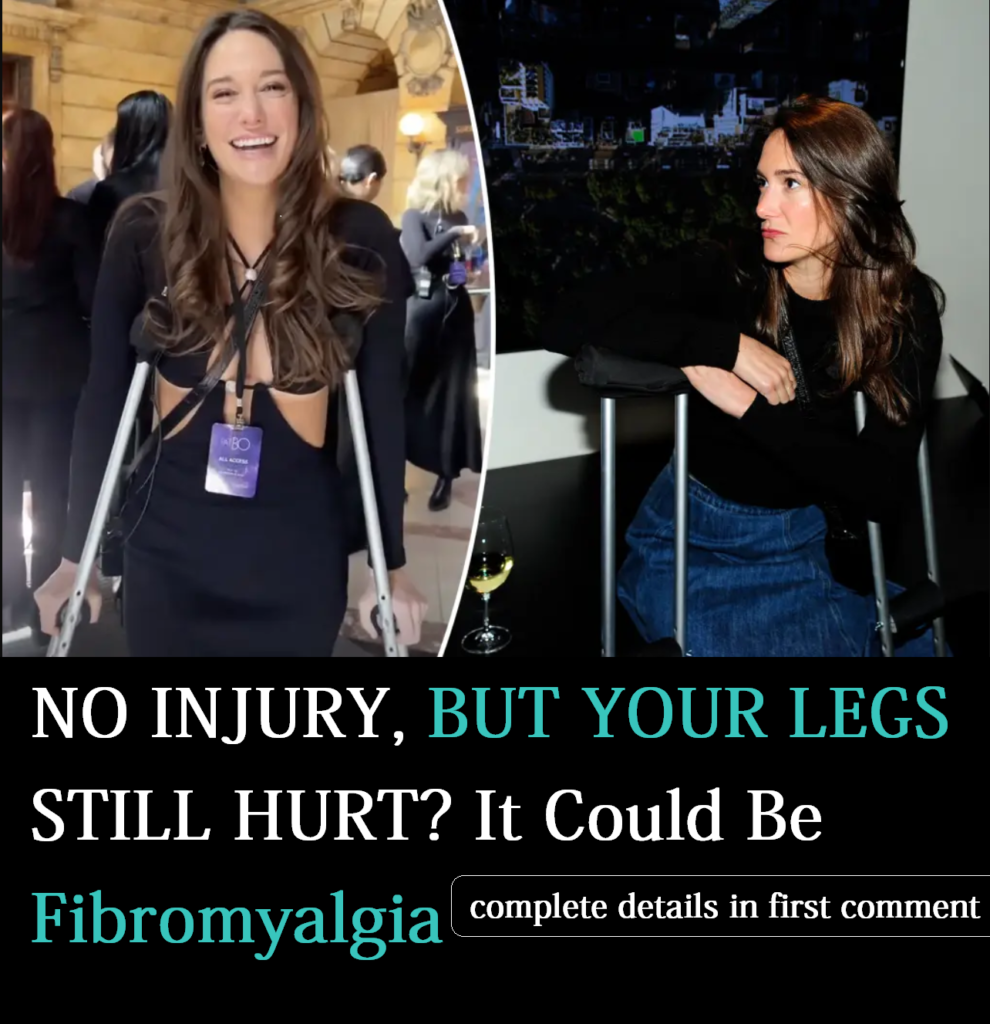
When Lady Gaga publicly revealed that she was living with fibromyalgia in 2017, millions of people around the world learned about a condition they may never have heard of before. Her announcement was more than a celebrity health disclosure. It opened a wider conversation about chronic pain, fibromyalgia symptoms, invisible illness, and the daily challenges faced by people living with long-term pain.
On September 12, 2017, Lady Gaga shared on Twitter that she was dealing with fibromyalgia and wanted to help raise awareness and connect with other people experiencing the condition. Her announcement came shortly before the release of her Netflix documentary, Gaga: Five Foot Two, which premiered on September 22, 2017.
For people with fibromyalgia, seeing a globally recognized performer speak openly about chronic pain was significant. Fibromyalgia can be difficult for others to understand because many of its symptoms are not visible. Someone may look healthy while experiencing widespread pain, extreme fatigue, sleep problems, sensitivity to touch, and cognitive difficulties.
Lady Gaga’s story helped demonstrate an important reality: chronic pain can affect anyone, including people who appear energetic, successful, and healthy from the outside.
What Is Fibromyalgia?
Fibromyalgia is a chronic condition associated with widespread musculoskeletal pain, fatigue, sleep disturbances, and changes in the way the nervous system processes pain. It can also be accompanied by symptoms such as difficulty concentrating, headaches, sensitivity to light or sound, and mood-related difficulties.
Unlike an injury that can often be identified through an X-ray or scan, fibromyalgia does not usually have one specific laboratory test that confirms the diagnosis. Healthcare professionals generally consider a person’s symptoms, medical history, physical examination, and other possible explanations for the symptoms.
One reason fibromyalgia can take time to diagnose is that many of its symptoms overlap with other conditions. Persistent fatigue, muscle pain, poor sleep, and difficulty concentrating can occur for many different reasons.
Today, healthcare professionals use established diagnostic criteria rather than simply relying on the older idea of isolated “tender points.” This is important because fibromyalgia is a complex condition involving widespread symptoms rather than a single painful spot.
Although fibromyalgia can occur in anyone, it is diagnosed more frequently in women. It is also a long-term condition, meaning symptoms may continue for years and can fluctuate over time.
Common Fibromyalgia Symptoms
Fibromyalgia symptoms can vary considerably from one person to another. Common symptoms include:
- Widespread muscle and body pain
- Persistent fatigue
- Non-restorative or disrupted sleep
- Increased sensitivity to touch or pressure
- Difficulty concentrating or remembering information, sometimes called “fibro fog”
- Headaches
- Stiffness
- Sensitivity to noise, light, temperature, or other stimuli
- Irritable bowel symptoms in some people
- Symptoms that become worse during periods of stress, poor sleep, or physical overexertion
The combination of symptoms can make everyday activities surprisingly difficult. A person might be able to work, exercise, socialize, or perform household responsibilities on one day and struggle considerably the next.
That unpredictable nature is one reason fibromyalgia can be misunderstood.
Lady Gaga’s Fibromyalgia Revelation
Lady Gaga’s announcement brought unprecedented mainstream attention to fibromyalgia.
In September 2017, she publicly discussed the chronic condition she was dealing with and expressed her desire to raise awareness and connect with other people who were suffering from it.
The timing was particularly significant because her documentary, Gaga: Five Foot Two, was about to be released.
The documentary gave viewers a glimpse into aspects of Gaga’s life that were rarely visible to the public. Rather than presenting chronic pain as an abstract medical term, her experience helped show how pain and physical symptoms can interfere with work, performances, travel, and everyday life.
For many viewers, this was an important shift in perspective.
Celebrities are often portrayed as having access to ideal lifestyles, medical care, fitness programs, and professional support. Yet chronic illnesses do not necessarily disappear because someone is successful or famous.
Gaga’s disclosure challenged the assumption that people with chronic pain should always “look sick.”
Her decision also encouraged conversations about fibromyalgia awareness and the stigma surrounding invisible illnesses.
Why Lady Gaga’s Story Matters to People With Fibromyalgia
Living with fibromyalgia can sometimes feel isolating.
People experiencing chronic pain may hear comments such as:
“You don’t look sick.”
“You were fine yesterday.”
“Maybe you just need more exercise.”
“It’s probably just stress.”
Although these comments may not always be intended to cause harm, they can make someone feel that their symptoms are being dismissed.
Lady Gaga’s public discussion helped reinforce a simple message: an illness does not have to be visible to be real.
A person can smile, work, attend an event, or post photographs online while experiencing significant pain or fatigue.
This is especially relevant to people with fibromyalgia because symptoms often fluctuate. A person may have a relatively manageable day followed by a severe flare-up.
Fibromyalgia Flare-Ups Can Be Unpredictable
A fibromyalgia flare-up refers to a period when symptoms become more intense than usual.
During a flare, someone may experience increased pain, fatigue, sleep problems, brain fog, or heightened sensitivity. Triggers differ from person to person, but possible contributors can include:
- Poor-quality sleep
- Physical or mental stress
- Doing too much physical activity
- Changes in routine
- Illness or infection
- Emotional strain
- Certain environmental factors
Understanding this variability can help family members, friends, coworkers, and employers respond with greater empathy.
It is also important to remember that a person’s ability to complete an activity on one day does not necessarily mean they can repeat it every day.
How Is Fibromyalgia Diagnosed?
One of the most frequently asked questions about fibromyalgia is how doctors diagnose it.
There is currently no single blood test, X-ray, or imaging scan that can independently confirm fibromyalgia.
Instead, healthcare professionals look at the overall clinical picture.
The evaluation may involve discussing:
- Where pain occurs
- How long symptoms have been present
- Sleep quality
- Fatigue
- Cognitive symptoms
- Other physical symptoms
- Medical history
- Existing health conditions
- Medications and other possible causes
Doctors may also order tests to investigate other conditions that can produce similar symptoms.
This is why people sometimes describe fibromyalgia as a condition that can be difficult to diagnose. The process is not simply about finding one abnormal test result. It involves recognizing a pattern of symptoms while considering other possible explanations.
Anyone experiencing persistent widespread pain or unexplained fatigue should speak with a qualified healthcare professional rather than attempting to diagnose themselves based on an online article.
Fibromyalgia and the Problem of Invisible Illness
One of the most important lessons from Lady Gaga’s experience is the concept of invisible illness.
Invisible illnesses are health conditions whose effects may not be obvious to other people.
Someone with fibromyalgia may not use a wheelchair, wear a cast, or have a visible injury. Yet their pain and fatigue can still be severe.
This disconnect between appearance and experience can create significant social and emotional challenges.
A person may avoid discussing their symptoms because they fear being judged. Others may feel pressure to maintain their normal responsibilities even when their symptoms are severe.
Public figures who openly discuss chronic illness can help reduce that stigma.
Lady Gaga’s story became particularly powerful because her career involves demanding physical performances. Concerts, rehearsals, travel, interviews, and public appearances require substantial physical and mental energy.
Her experience helped demonstrate that chronic pain is not simply an inconvenience. It can influence professional commitments, relationships, sleep, mobility, and quality of life.
Managing Fibromyalgia Symptoms
There is currently no single treatment that works for everyone with fibromyalgia. Management is generally individualized and may involve several approaches.
Healthcare professionals may recommend combinations of physical activity, sleep management, psychological support, medications when appropriate, and strategies for managing daily energy.
Gentle Physical Activity
Regular, appropriately paced physical activity can benefit some people with fibromyalgia.
Low-impact options may include:
- Walking
- Stretching
- Swimming
- Water-based exercise
- Gentle cycling
- Low-intensity strengthening exercises
The key is often gradual progression rather than suddenly beginning an intense exercise program.
People with significant symptoms should discuss an appropriate activity plan with a healthcare professional.
Sleep Management
Sleep problems are common among people with fibromyalgia. Poor sleep can contribute to fatigue and may make pain feel more difficult to manage.
Establishing a consistent sleep routine, creating a comfortable sleep environment, and addressing other sleep disorders can be useful components of a broader management plan.
Stress Management
Stress does not mean that fibromyalgia is “all in your head.” Fibromyalgia involves complex interactions between the nervous system, pain processing, sleep, and other biological factors.
However, stress can influence how the body experiences pain and can make symptoms harder to manage.
Relaxation techniques, mindfulness, counseling, breathing exercises, and other coping strategies may help some individuals.
Pacing and Energy Management
One of the practical lessons often discussed in chronic illness management is pacing.
Instead of using all available energy on a good day and then spending several days recovering, some people find it helpful to divide demanding tasks into smaller portions.
For example, household chores can be spread throughout the week rather than completed all at once.
This approach may help reduce the cycle of overexertion followed by prolonged exhaustion.
What Lady Gaga’s Story Tells Us About Chronic Pain
Lady Gaga’s experience helped move fibromyalgia into mainstream conversations about health and chronic illness.
But the larger lesson goes beyond celebrity awareness.
Millions of people live with chronic pain without receiving the understanding they need from the people around them.
Someone with fibromyalgia may cancel plans, reduce working hours, avoid certain activities, or need more rest. These choices are not necessarily signs of laziness or a lack of motivation.
They may be ways of adapting to a chronic condition.
Greater awareness can encourage people to ask questions rather than make assumptions.
Instead of saying, “You look fine,” a friend might ask, “How are you feeling today?”
Instead of expecting someone with chronic pain to maintain the same schedule every day, an employer might consider reasonable flexibility when appropriate.
Small changes in understanding can make a meaningful difference.
Fibromyalgia Awareness Is Still Important
Although fibromyalgia has received more public attention since Lady Gaga discussed her diagnosis, misconceptions remain.
Some people still believe chronic pain should always have an obvious physical cause. Others assume that someone who can work or socialize cannot have severe symptoms.
Neither assumption accurately reflects the reality of many chronic illnesses.
Fibromyalgia awareness means recognizing that pain can be complex and that symptoms can change from day to day.
It also means encouraging people with persistent symptoms to seek appropriate medical evaluation instead of suffering in silence.
Lady Gaga’s decision to speak publicly helped millions of people recognize the name of a condition that had often remained outside mainstream conversations.
For people already living with fibromyalgia, that visibility can be reassuring. It can communicate that they are not alone and that their experiences deserve to be taken seriously.
Final Thoughts: Lady Gaga Helped Put Fibromyalgia in the Spotlight
Lady Gaga’s 2017 disclosure about fibromyalgia became an important moment in public awareness of chronic pain and invisible illness.
Her story showed that fibromyalgia can affect a person’s professional life, physical abilities, emotional well-being, and everyday routine—even when there are no obvious outward signs of illness.
Fibromyalgia remains a complex chronic condition, and diagnosis and treatment require individualized medical care. There is no universal solution that eliminates symptoms for everyone.
What can make a difference, however, is awareness.
Understanding fibromyalgia symptoms, recognizing the reality of chronic pain, learning about fibromyalgia flare-ups, and listening to people who live with invisible illnesses can help reduce stigma.
Lady Gaga’s message ultimately gave greater visibility to an illness that many people struggle with quietly. Her decision to discuss her experience publicly helped start conversations that continue today—and reminded the public that sometimes the most difficult health problems are the ones we cannot see.