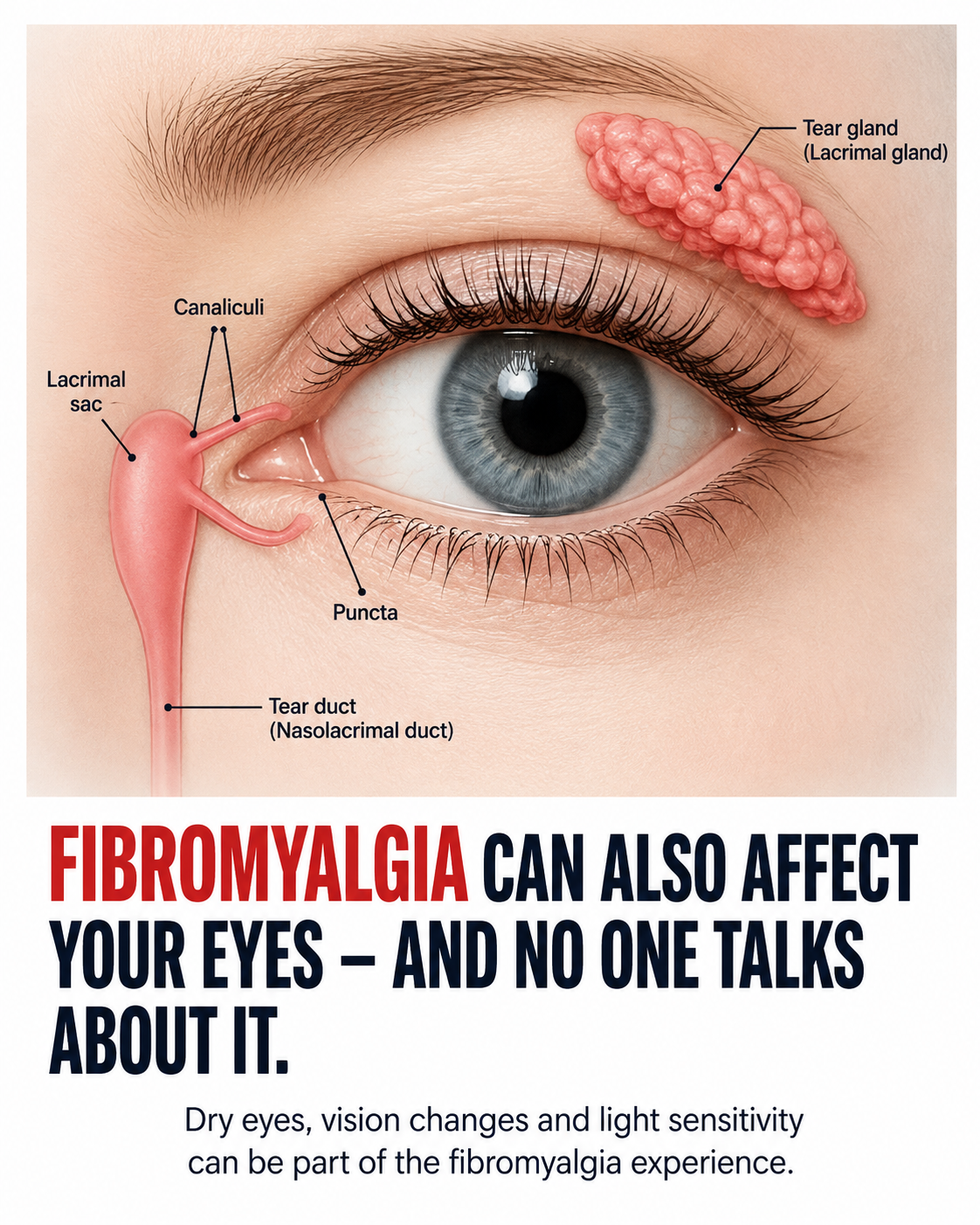
Fibromyalgia is a complex chronic condition primarily known for causing widespread pain, intense fatigue, and sleep disturbances. However, many people are unaware that it can also affect the eyes, leading to symptoms that significantly impact quality of life.
 Key Ophthalmological Symptoms of Fibromyalgia
 Burning and stinging sensations in the eyes – a constant feeling of irritation, as if something is scratching the surface of the eye. Dry eyes – fibromyalgia can cause dysfunction in the lacrimal glands, leading to dry eye. Blurred or hazy vision – changes in eye lubrication or fatigue increase the difficulty of seeing clearly. Sensitivity to light (photophobia) – exposure to intense light can cause discomfort, excessive tearing, or eye irritation. Itching and redness – often associated with dryness, but also a reflection of chronic inflammation.Why does fibromyalgia affect the eyes? Sensory nerve changes – can increase the perception of pain and discomfort, including in the eyes. Chronic inflammation – interferes with the production of tears and eye lubrication. Sleep and fatigue disorders – impair eye regeneration and increase sensitivity to light.Tips and Care for Protecting the Eyes Using artificial tears or lubricating eye drops – helps reduce dryness and irritation. Avoiding prolonged exposure to screens – frequent breaks reduce eye fatigue. Wearing sunglasses in bright environments – protects against photophobia and intense light discomfort. Humidified environments – humidifiers can reduce eye dryness. Proper eye hygiene – washing the eyes with filtered water and avoiding rubbing. Managing Fibromyalgia – Proper medication, physical therapy, gentle exercises, and multidisciplinary care help reduce the intensity of eye symptoms. When to See a Specialist Persistent or intense eye pain Constant redness Significant vision changes Sensitivity to light that interferes with daily life Conclusion
Fibromyalgia doesn’t just affect muscles and joints — it can also impact the eyes, causing uncomfortable symptoms that are often ignored. Recognizing these signs, taking care of your eye health, and integrating it with your fibromyalgia treatment makes all the difference in improving your quality of life.
Fibromyalgia is usually associated with widespread body pain, chronic fatigue, sleep problems, and what many people describe as “fibro fog.” But the condition can affect much more than muscles and joints. Some people living with fibromyalgia also report uncomfortable eye symptoms, including dry eyes, burning, blurred vision, light sensitivity, and a feeling of irritation.
These symptoms can be frustrating because they may come and go, overlap with ordinary eye strain, or be mistaken for allergies, dehydration, long hours in front of a screen, or another eye condition.
So, can fibromyalgia affect your eyes? It may contribute to certain visual and eye-related complaints, particularly through changes in pain processing, sensory sensitivity, fatigue, and sleep disruption. However, not every eye symptom in a person with fibromyalgia is caused by fibromyalgia itself. Persistent or significant changes in vision should always be evaluated by an eye-care professional.
Understanding the possible connection between fibromyalgia and eye problems can help you recognize symptoms earlier and take appropriate steps to protect your eye health.
What Eye Symptoms Can Be Associated With Fibromyalgia?
Eye complaints are not considered the defining symptoms of fibromyalgia, but some people with the condition experience symptoms involving comfort, vision, or sensitivity to light.
The experience can vary considerably from one person to another. One person may mainly notice dryness and burning, while another may struggle with light sensitivity or temporary blurry vision.
1. Dry Eyes
Dry eyes are among the most commonly reported eye complaints in people who experience chronic pain and related conditions.
When the eyes do not have enough moisture—or when tears evaporate too quickly—the surface of the eye can become irritated. This may produce:
- A gritty or sandy sensation
- Burning
- Stinging
- Redness
- Excessive tearing
- Temporary blurry vision
- A sensation that something is stuck in the eye
Dry eye symptoms can become particularly noticeable while reading, using a computer, driving, or spending time in air-conditioned or heated rooms.
It is important not to automatically assume that dry eyes are caused by fibromyalgia. Medications, aging, contact lenses, environmental conditions, allergies, hormonal changes, and several other health conditions can also contribute to dry eye disease.
2. Burning or Stinging Eyes
Some people with fibromyalgia describe burning, stinging, or uncomfortable sensations around the eyes.
Fibromyalgia involves altered processing of sensory signals, which means the nervous system may respond more strongly to sensations that would otherwise feel relatively mild. This phenomenon is often discussed in connection with central sensitization.
That does not necessarily mean the eyes themselves are damaged. Instead, changes in how the nervous system processes discomfort may make ordinary irritation feel more intense.
Nevertheless, persistent burning deserves attention. Eye infections, dry eye disease, allergies, eyelid problems, and other conditions can produce very similar symptoms.
3. Blurred or Hazy Vision
Another complaint sometimes reported by people with fibromyalgia is intermittent blurry or hazy vision.
There are several possible explanations. Dryness on the surface of the eye can temporarily interfere with clear vision. Fatigue and prolonged screen use can also make focusing difficult. Headaches or migraine-related symptoms, which can occur alongside fibromyalgia, may further affect visual comfort.
If blurry vision is new, persistent, worsening, or occurring in only one eye, it should not simply be attributed to fibromyalgia.
A comprehensive eye examination can help determine whether the problem is related to the eye itself, medication, fatigue, migraine, refractive error, or another medical issue.
4. Sensitivity to Light
Photophobia, or sensitivity to light, can be particularly troublesome.
Bright sunlight, fluorescent lighting, phone screens, computer monitors, or headlights may feel unusually uncomfortable. Some people may squint frequently, develop eye discomfort, or experience headaches after exposure to bright light.
Light sensitivity is not exclusive to fibromyalgia. It can also occur with migraine, dry eye, inflammation, certain medications, infections, and other eye or neurological conditions.
For someone already dealing with chronic pain and fatigue, additional sensitivity to light can make everyday activities more difficult.
5. Redness and Itching
Dryness and irritation may cause the eyes to appear red or feel itchy. Allergies are another common cause of itching.
Although some people with fibromyalgia may experience these symptoms, persistent redness or itching should not automatically be considered a symptom of fibromyalgia.
If redness continues, becomes severe, affects one eye, or occurs with pain or changes in vision, an eye examination is appropriate.
Why Might Fibromyalgia Affect the Eyes?
The connection between fibromyalgia and eye symptoms is complicated.
Fibromyalgia is a chronic condition involving abnormal processing of pain and other sensory information. It is not simply a disorder of muscles. People with fibromyalgia can experience changes in the way the nervous system responds to sensory signals, including pain, touch, sound, and sometimes light.
This may help explain why relatively mild sensations can feel unusually uncomfortable.
Changes in Sensory Processing
One important concept associated with fibromyalgia is central sensitization.
In simple terms, the nervous system can become more responsive to sensory signals. A sensation that might normally be ignored can become much more noticeable or unpleasant.
This can be relevant when someone reports burning, irritation, or discomfort around the eyes. However, central sensitization should not be interpreted as proof that fibromyalgia directly causes a particular eye disease.
Fatigue and Poor Sleep
Sleep problems are extremely common in fibromyalgia.
Poor-quality sleep can leave the body feeling exhausted even after spending many hours in bed. Fatigue can also make ordinary activities such as reading or working on a computer more difficult.
When you are exhausted, your eyes may feel strained or heavy, and prolonged visual tasks can become harder to tolerate.
Sleep deprivation may also make pain and sensory sensitivity more noticeable, potentially creating a cycle in which discomfort feels worse when you are already fatigued.
Dryness and Environmental Factors
Eye dryness can have many causes. Spending long periods staring at a screen is one of them because people tend to blink less while concentrating.
Air conditioning, heating, fans, dry weather, smoke, dust, and prolonged exposure to wind can also make dry-eye symptoms worse.
For someone with fibromyalgia, these ordinary sources of eye irritation may feel especially troublesome because the nervous system may be more sensitive to discomfort.
Fibromyalgia and Blurred Vision: What Should You Know?
Blurred vision can be one of the most concerning symptoms because vision changes have many possible causes.
Sometimes blurry vision is relatively simple to explain. For example, the surface of the eye can become dry during prolonged computer use, causing vision to fluctuate. A person may blink several times and notice temporary improvement.
Fatigue can also make focusing difficult.
However, fibromyalgia and blurred vision should not automatically be linked without considering other possibilities.
Vision changes can also occur because of:
- Uncorrected vision problems
- Dry eye disease
- Migraine
- Medication side effects
- Eye infections
- Cataracts
- Glaucoma
- Retinal conditions
- Diabetes-related eye disease
- Neurological conditions
This is why an eye examination is important when blurry vision persists or repeatedly interferes with daily life.
A useful rule is simple: if a symptom is new, significant, persistent, or getting worse, get it checked rather than assuming it is “just fibro.”
How to Manage Fibromyalgia-Related Eye Discomfort
There is no single treatment that works for every person with fibromyalgia. Management usually focuses on reducing symptoms, improving sleep and physical function, and addressing individual triggers.
Eye discomfort may require its own treatment as well.
Use Lubricating Eye Drops When Appropriate
If dry eyes are contributing to burning or irritation, an eye-care professional may recommend artificial tears or other lubricating products.
Preservative-free artificial tears may be preferable for people who need to use drops frequently, but the right product depends on the individual situation.
If you find yourself needing eye drops constantly, it is worth discussing the problem with an optometrist or ophthalmologist rather than simply continuing to treat the symptoms yourself.
Follow the 20-20-20 Rule During Screen Use
Long periods of computer and phone use can worsen eye fatigue and dryness.
A simple strategy is the 20-20-20 rule: approximately every 20 minutes, look at something about 20 feet away for at least 20 seconds.
Also make a conscious effort to blink regularly.
Adjusting your monitor position, reducing glare, and keeping the screen at a comfortable distance may further reduce visual strain.
Wear Sunglasses Outdoors
If bright sunlight triggers discomfort, sunglasses can make outdoor activities more comfortable.
Choose sunglasses that provide appropriate ultraviolet protection. A wide-brimmed hat can provide additional protection from direct sunlight.
However, constantly avoiding all light is not necessarily the solution. If light sensitivity is severe or suddenly develops, discuss it with a medical professional.
Improve Indoor Humidity
Dry indoor air can contribute to eye discomfort.
A humidifier may help some people, particularly during periods when heating or air conditioning makes the air especially dry. Keep humidifiers clean and use them according to the manufacturer’s instructions because poorly maintained devices can introduce contaminants into the air.
Avoid Rubbing Your Eyes
When your eyes burn or itch, rubbing them may seem like the easiest solution.
Unfortunately, frequent rubbing can increase irritation and may worsen symptoms. Instead, try to identify what is triggering the discomfort.
If allergies are suspected, an eye-care professional can recommend appropriate treatment.
Prioritize Sleep
Sleep is an important part of managing fibromyalgia.
Establishing a consistent sleep schedule, creating a relaxing bedtime routine, limiting stimulating activities before bed, and discussing persistent sleep problems with a healthcare professional may improve overall symptom management.
Better sleep will not necessarily eliminate eye symptoms, but it can make fatigue and sensory discomfort easier to manage.
When Should You See an Eye Doctor?
Not every eye symptom requires an emergency visit, but certain symptoms should never be ignored.
Consider arranging an eye examination if you experience:
- Persistent blurry vision
- Recurrent burning or eye discomfort
- Frequent dry-eye symptoms
- Ongoing redness
- Significant light sensitivity
- Eye symptoms that interfere with reading or computer work
- Changes in vision that keep returning
- Eye discomfort that does not improve with basic measures
An ophthalmologist or optometrist can examine the surface of the eye, assess vision, check eye pressure when appropriate, and look for other conditions that could explain your symptoms.
Your primary-care doctor or rheumatologist can also help determine whether your symptoms fit into your broader fibromyalgia picture.
Seek Urgent Medical Attention for Sudden Vision Changes
Some eye symptoms require prompt medical evaluation.
Seek urgent care if you develop sudden loss of vision, a sudden major change in vision, severe eye pain, significant redness with pain, new flashes or a large number of floaters, a curtain-like shadow over your vision, or other sudden and unusual visual symptoms.
These symptoms can sometimes indicate an eye emergency and should not be assumed to be caused by fibromyalgia.
Can Treating Fibromyalgia Improve Eye Symptoms?
This depends on what is actually causing the eye symptoms.
If fatigue, poor sleep, headaches, sensory sensitivity, or general symptom flares are contributing to visual discomfort, improving overall fibromyalgia management may make some symptoms easier to tolerate.
A comprehensive approach can include appropriate medical treatment, physical activity suited to your abilities, physical therapy when recommended, stress management, sleep improvement, and strategies for pacing daily activities.
At the same time, genuine eye conditions need appropriate eye treatment.
For example, if someone has dry-eye disease in addition to fibromyalgia, treating the dry eye directly may provide considerably more benefit than focusing exclusively on fibromyalgia treatment.
This is why it is useful to think of fibromyalgia and eye problems as potentially overlapping issues rather than assuming every eye symptom has one cause.
Living With Fibromyalgia and Eye Sensitivity
Eye discomfort can seem like a minor problem compared with widespread pain and exhaustion, but it can have a surprisingly large effect on daily life.
Reading a book, answering emails, watching television, shopping under bright lights, or driving at night can become exhausting when your eyes constantly feel dry, irritated, or sensitive.
The good news is that many causes of eye discomfort are manageable.
Pay attention to patterns. Does the problem become worse after several hours at a computer? Does air conditioning trigger dryness? Is bright sunlight a problem? Does the discomfort appear during a fibromyalgia flare? Does it improve after sleeping?
Keeping track of these patterns can give your doctor useful information.
It is also important to avoid self-diagnosing every new symptom as fibromyalgia. Fibromyalgia can coexist with other conditions, and identifying a separate eye problem early can make treatment much easier.
Frequently Asked Questions About Fibromyalgia and Eye Problems
Can fibromyalgia cause dry eyes?
Some people with fibromyalgia report dry-eye symptoms, but dry eyes have many possible causes. Fibromyalgia should not automatically be considered the explanation without an appropriate evaluation.
Can fibromyalgia cause blurred vision?
People with fibromyalgia may report visual disturbances or blurred vision, particularly when fatigue, headaches, dry eyes, or prolonged screen use are present. Persistent or significant blurred vision should be evaluated by an eye-care professional.
Is light sensitivity a symptom of fibromyalgia?
Light sensitivity can occur in people with fibromyalgia, but it is not specific to the condition. Migraine, dry eyes, medications, infections, and several other problems can also cause photophobia.
Should I see an eye doctor if I have fibromyalgia?
Yes, particularly if your eye symptoms are persistent, worsening, painful, or affecting your vision. Fibromyalgia does not protect you from developing ordinary eye conditions, so regular eye care remains important.
Can eye problems make fibromyalgia feel worse?
Eye discomfort can add another source of stress and sensory irritation, potentially making an already difficult day feel more challenging. Addressing eye symptoms may therefore improve overall comfort even when the underlying fibromyalgia remains.
Final Thoughts
Fibromyalgia is a complex condition that can influence much more than muscles and joints. Alongside widespread pain, fatigue, sleep difficulties, and sensory sensitivity, some people also experience eye-related symptoms such as dryness, burning, blurred vision, irritation, and sensitivity to light.
However, it is important to distinguish between symptoms that may occur alongside fibromyalgia and conditions directly caused by fibromyalgia. Many eye problems have completely separate causes and require their own treatment.
Simple measures such as taking regular screen breaks, using appropriate lubricating eye drops when recommended, protecting your eyes from excessive sunlight, maintaining comfortable indoor humidity, avoiding eye rubbing, and improving sleep may help reduce everyday discomfort.
Most importantly, don’t ignore significant changes in your vision.
If eye pain, persistent redness, severe light sensitivity, or vision changes are interfering with your daily activities, speak with an eye-care professional. Combining appropriate eye care with a broader fibromyalgia treatment and symptom-management plan can help you protect your vision and improve your overall quality of life.