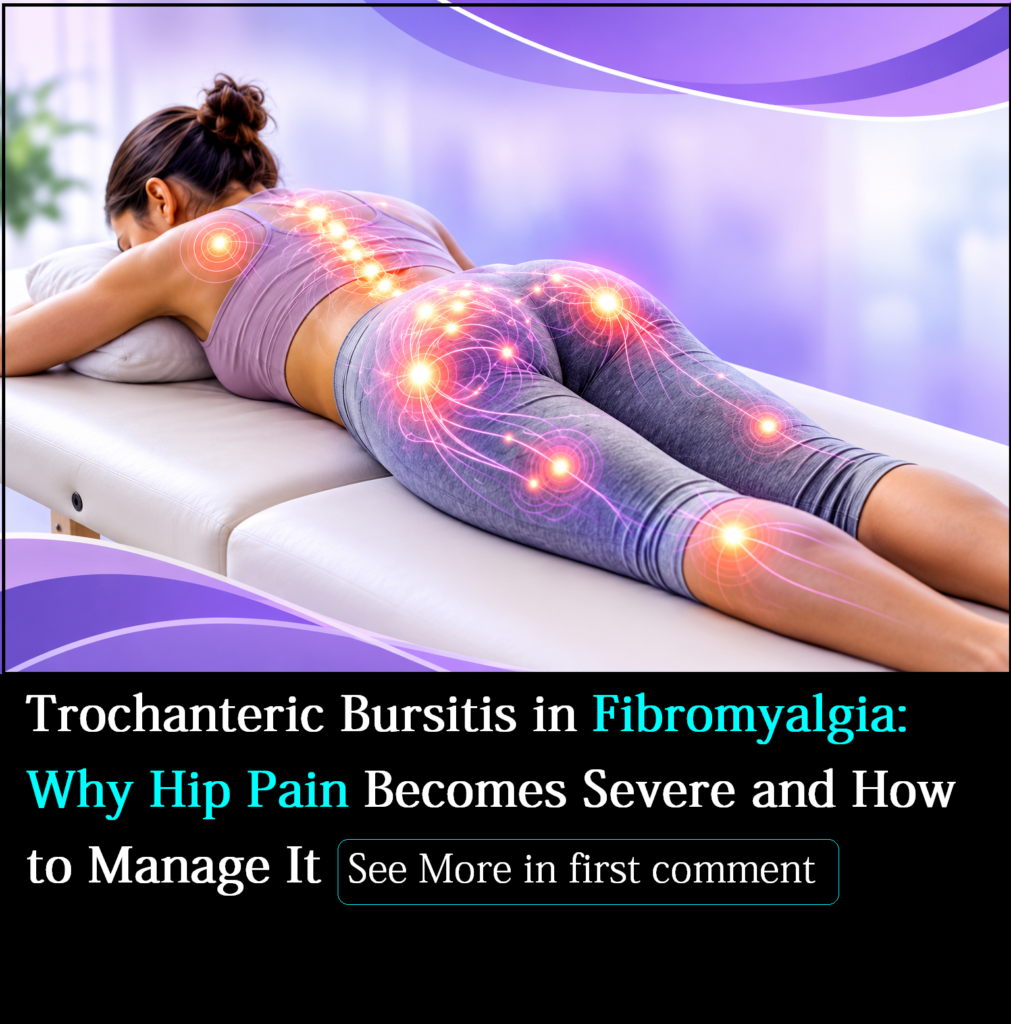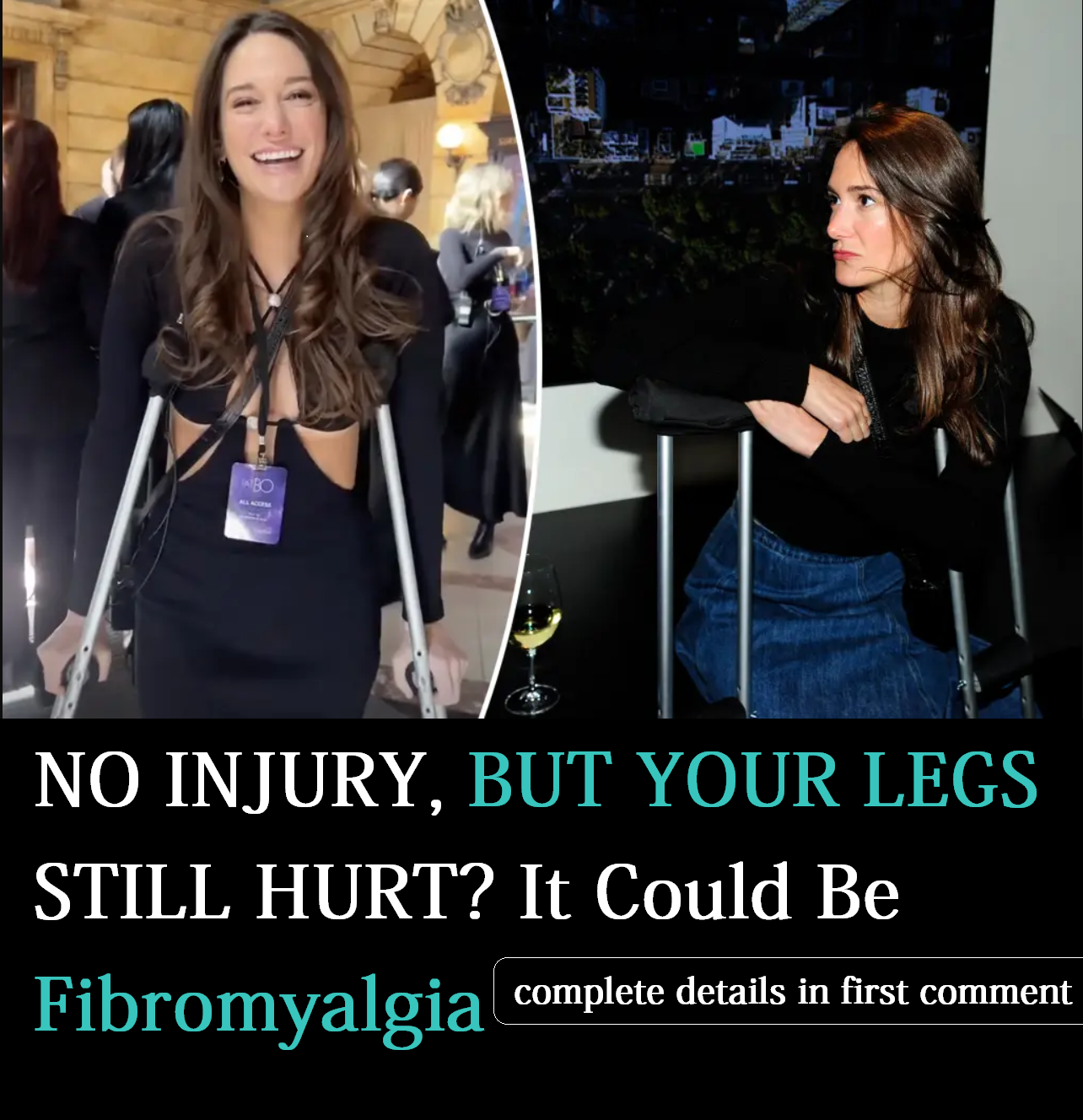
Pain in the legs is one of the most common, limiting, and misunderstood symptoms of fibromyalgia. It is not simply tiredness or ordinary muscle pain: it can be a deep, persistent, and often excruciating pain that may occur at rest, worsen at night, and interfere with simple tasks such as walking, standing, or even lying down.
This text explains why leg pain occurs, how it manifests, and why it should not be underestimated.
🔸️ What does leg pain feel like in fibromyalgia?
Everyone may experience it differently, but the most common descriptions include:
▪️ deep pain, as if it were “inside the bones”
▪️ an extreme feeling of heaviness in the legs
▪️ continuous burning or stinging
▪️ sharp, stabbing, or throbbing pain
▪️ feeling that the legs are exhausted even without exertion
▪️ pain that worsens at night or while resting
Many people describe it as:
▪️ “It feels like I’ve walked for miles.”
▪️ “My legs can’t support my body.”
▪️ “It’s pain that doesn’t go away even when I lie down.”
🔸️ Why does fibromyalgia cause so much leg pain?
The cause is not only in the muscles but mainly involves the nervous system.
🔹️ 1. Amplification of pain by the brain
With fibromyalgia, the brain:
▪️ amplifies pain signals
▪️ interprets normal stimuli as painful
▪️ keeps pain active even without an injury
This can make the legs hurt intensely even without visible inflammation.
🔹️ 2. Diffuse and continuous muscle pain
The muscles in the legs may remain in:
▪️ constant tension
▪️ prolonged contraction
▪️ a state of persistent fatigue
Even light activities can trigger intense and prolonged pain.
🔹️ 3. Changes in circulation and muscle oxygenation
Many people report:
▪️ a feeling of heaviness
▪️ legs that feel “stuck” or “locked”
▪️ partial relief when elevating the legs
Some people experience these sensations alongside muscle tension and discomfort, although circulation problems are not considered the primary cause of fibromyalgia pain.
🔹️ 4. Increased nerve sensitivity
The nerves in the legs can become:
▪️ hypersensitive
▪️ reactive to touch
▪️ prone to burning sensations and electric-shock-like pain
Even mild stimuli can trigger intense pain.
🔹️ 5. Connection with non-restorative sleep
Poor sleep can:
▪️ increase muscle pain
▪️ reduce pain tolerance
▪️ intensify pain upon waking
That is why many people wake up with painful and stiff legs.
🔸️ Leg pain at rest: Why does it happen?
One of the most distressing aspects is experiencing pain even without physical effort:
▪️ pain when lying down
▪️ pain during the night
▪️ pain upon waking
▪️ a feeling of restlessness in the legs
This can happen because the nervous system remains highly sensitive instead of fully entering a state of rest.
🔸️ Impact on daily life
Leg pain can directly affect functionality:
▪️ difficulty walking
▪️ difficulty standing for long periods
▪️ fear of leaving the house
▪️ insecurity when climbing stairs
▪️ reduced independence
Over time, a person may:
▪️ avoid movement
▪️ lose physical conditioning
▪️ feel guilty or disbelieved
🔸️ It’s not an excuse. It’s not laziness.
It is important to emphasize:
▪️ the pain is real
▪️ the fatigue is real
▪️ the limitations are real
The absence of abnormalities on medical tests does not invalidate someone’s suffering.
Leg pain associated with fibromyalgia is related to altered pain processing and can be deeply disabling.
🔸️ What can help manage the pain?
There is no single solution, but some strategies may help reduce its impact:
▪️ gentle, adapted physical activity
▪️ gentle and regular stretching
▪️ frequent breaks throughout the day
▪️ taking care of sleep
▪️ a multidisciplinary approach
▪️ validation and recognition of the symptoms
The goal is not to “push the body” beyond its limits, but to respect its boundaries.
🔸️ A final message
Experiencing leg pain every day is not normal—but it is common in fibromyalgia.
This pain:
▪️ may not show up on medical tests
▪️ cannot always be explained by a single cause
▪️ but can completely change the way a person lives
People living with this pain are not giving up on life.
They are fighting every day with legs that hurt—and still trying to carry themselves forward.