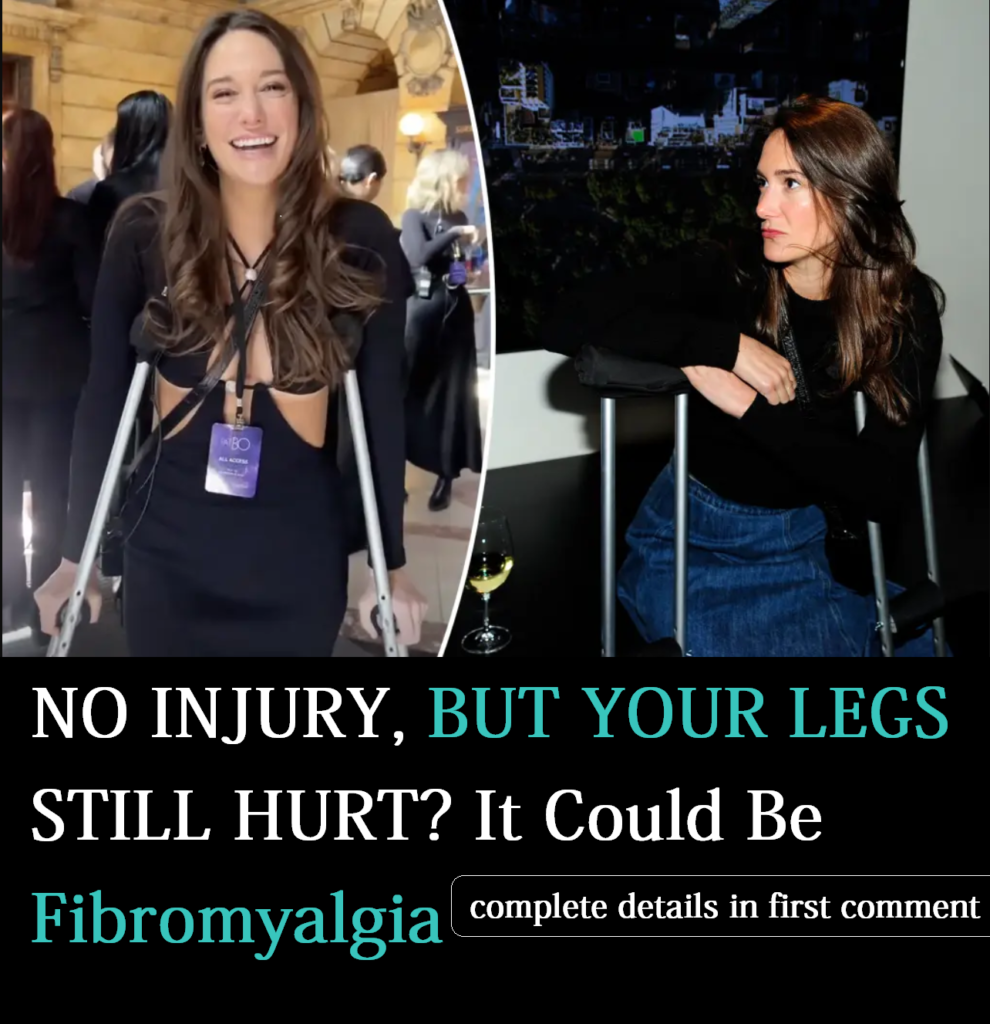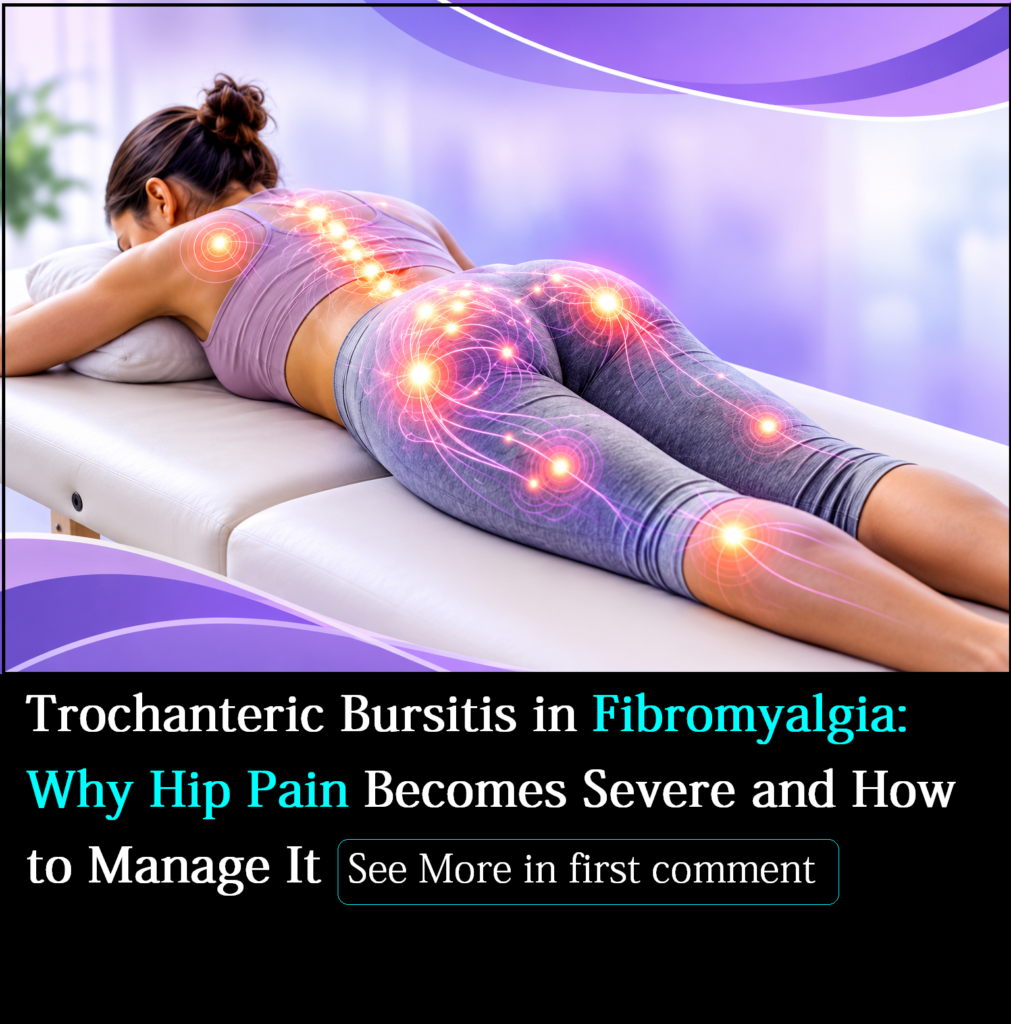
Fibromyalgia is a condition that causes widespread and chronic pain, but many people report that their legs are one of the most affected areas. This pain can change intensity throughout the day, vary from person to person, and even “migrate” between different parts of the leg — muscles, bones, joints, nerves, and ligaments.
 Muscle pain: extreme fatigue, burning, or tingling, especially in the calf and thigh. Bone pain: deep discomfort, as if the bones were in constant alert, sending pain signals even without a real injury. Morning stiffness: difficulty getting up from bed, as if the legs were “locked”. Feeling of weight: tired legs even after little effort. Tingling or numbness: a sensation similar to poor circulation. Spasms or cramps: involuntary painful contractions. Extreme fatigue: legs that seem to lack enough strength to support the body. Staying for too long while standing or sitting. Cold and sudden temperature changes. Emotional stress. Lack of restorative sleep. Excessive physical exertion or repetitive movements. Gentle stretches: help maintain flexibility and reduce stiffness. Warm compresses: relax muscles and soothe pain. Warm water baths: relieve tension and improve circulation. Light physical activity: short walks, water aerobics, or yoga can strengthen without overexerting. Light massages: can reduce muscle tension. Good sleep quality: essential to reduce pain sensitivity. Medical follow-up: essential to adjust medication and guide the best treatment.
 Conclusion:
 Do you also feel this type of pain in your legs?
Fibromyalgia Leg Pain: Causes, Symptoms, Types, and Ways to Find Relief
Fibromyalgia leg pain can be one of the most frustrating symptoms of living with fibromyalgia. The discomfort may feel like a deep ache, burning sensation, muscle soreness, stiffness, tingling, or heaviness. For some people, the pain stays in one area, while for others it seems to move from the thighs to the calves, knees, hips, or feet.
Unlike pain caused by a single injury, fibromyalgia leg pain can fluctuate without an obvious reason. A person may wake up with stiff, painful legs, feel somewhat better later in the day, and then experience another flare after physical activity, emotional stress, poor sleep, or prolonged sitting.
Fibromyalgia is associated with changes in how the nervous system processes pain. As a result, sensations that might normally feel mild can become much more intense. This is one reason why leg pain from fibromyalgia can sometimes feel disproportionate to physical activity or appear even when there is no obvious injury.
This article explains what fibromyalgia leg pain can feel like, the different types of discomfort people report, accompanying symptoms, common triggers, and practical strategies that may help manage it.
What Does Fibromyalgia Leg Pain Feel Like?
There is no single description that applies to everyone with fibromyalgia. The experience can vary considerably from person to person and may even change from one day to the next.
Some people describe their legs as feeling extremely tired or heavy. Others compare the discomfort to the soreness experienced after intense exercise. Burning, aching, throbbing, tightness, or prickling sensations are also commonly reported.
The pain may affect the:
- Thighs
- Calves
- Knees
- Hips
- Ankles
- Feet
- Muscles around the joints
One particularly frustrating feature is that the discomfort may appear to “move.” For example, someone might experience aching in the right thigh one day and notice more calf or knee discomfort the following day.
This changing pattern can make fibromyalgia leg pain difficult to predict.
It is also important to remember that not every type of leg pain in someone with fibromyalgia is necessarily caused by fibromyalgia. Circulation problems, nerve disorders, arthritis, injuries, medication effects, and other conditions can cause similar symptoms. New, severe, persistent, or unusual pain should therefore be discussed with a healthcare professional.
Types of Leg Pain Associated With Fibromyalgia
Fibromyalgia pain is often described as widespread rather than localized. When the legs are affected, the discomfort can take several forms.
1. Muscle Pain
Muscle pain is one of the most commonly described forms of fibromyalgia pain.
The muscles may feel:
- Sore or tender
- Tight
- Burning
- Exhausted
- Heavy
- Weak
- Sensitive to touch
The thighs and calves can be particularly uncomfortable after walking, climbing stairs, standing for extended periods, or performing repetitive movements.
Sometimes the muscles may feel as though they have completed an intense workout even when the person has done very little physical activity.
2. Deep Aching Pain
Some people describe a deep, persistent ache that seems difficult to pinpoint.
Rather than feeling like a surface-level muscle soreness, the discomfort may seem to come from deeper within the leg. This can lead people to describe it as fibromyalgia bone pain, although the sensation does not necessarily mean that the bones themselves are damaged.
Fibromyalgia affects pain processing, so the brain and nervous system may interpret normal sensory signals as painful or amplify signals that would otherwise be less noticeable.
3. Burning or Tingling Sensations
Burning, pins-and-needles, prickling, or tingling may accompany fibromyalgia.
These sensations can sometimes resemble symptoms associated with nerve irritation or circulation problems. Because several different conditions can cause similar sensations, persistent numbness or neurological symptoms should be evaluated rather than automatically attributed to fibromyalgia.
4. Stiffness and Tightness
Leg stiffness is another common complaint, particularly after periods of inactivity.
Getting out of bed in the morning may feel difficult because the legs seem tight or “locked.” Sitting for a long time can also make the muscles and joints feel stiff when movement begins again.
For some people, gentle movement gradually reduces this stiffness.
5. Cramping and Spasms
Some people living with fibromyalgia report muscle cramps or involuntary contractions.
Cramps can occur in the calves, feet, thighs, or other areas. However, frequent or severe cramping can have many possible causes, including dehydration, medication effects, electrolyte abnormalities, circulation problems, and other medical conditions.
Symptoms That May Accompany Fibromyalgia Leg Pain
Leg pain may occur alongside several other fibromyalgia symptoms.
Morning Stiffness
Morning stiffness can make the first few minutes after waking particularly difficult. The legs may feel heavy, sore, or resistant to movement.
A slow transition from lying down to standing, followed by gentle stretching, may be more comfortable than immediately engaging in strenuous activity.
Heavy or Tired Legs
A feeling of heaviness is often described as though the legs are carrying extra weight.
Even ordinary activities such as grocery shopping, walking around the house, or standing while cooking may leave the legs feeling unusually exhausted.
This sensation can become more noticeable during a fibromyalgia flare.
Tingling or Numbness
Tingling, prickling, or numb sensations can accompany leg discomfort.
Because numbness can also occur with nerve compression, diabetes, vitamin deficiencies, circulation problems, and other conditions, persistent or worsening numbness deserves medical attention.
Muscle Weakness or Reduced Endurance
People with fibromyalgia may feel that their legs do not have the same endurance they normally have. Walking or climbing stairs may become tiring more quickly.
True progressive muscle weakness, however, is different from simply feeling fatigued. New or worsening weakness should be assessed by a healthcare professional.
Fatigue and Sleep Problems
Pain and fatigue can reinforce one another.
Poor-quality sleep may leave the nervous system more sensitive to pain the following day. At the same time, pain can make falling asleep or staying asleep more difficult.
This creates a cycle in which poor sleep, fatigue, and pain influence each other.
What Can Make Fibromyalgia Leg Pain Worse?
Fibromyalgia symptoms often fluctuate, and several factors can contribute to increased discomfort.
Prolonged Sitting or Standing
Remaining in one position for a long time may increase stiffness and discomfort. This is particularly noticeable when someone sits at a desk, travels for several hours, or stands at work.
Changing positions regularly and taking short movement breaks may help prevent stiffness from building up.
Cold Temperatures
Some people find that cold weather or sudden temperature changes make their muscles feel tighter and more painful.
Keeping the legs comfortably warm and avoiding abrupt temperature changes may be helpful for those who notice this pattern.
Emotional Stress
Stress can influence pain perception and may contribute to fibromyalgia flares.
During stressful periods, muscles may remain tense, sleep may become less restorative, and pain sensitivity can increase.
Stress-management strategies such as breathing exercises, relaxation techniques, gentle yoga, journaling, or other calming activities may be useful additions to a broader treatment plan.
Poor Sleep
Sleep quality is particularly important when managing chronic pain.
A consistent bedtime, a comfortable sleeping environment, and a regular daily routine can support better sleep. People who consistently wake feeling unrefreshed should discuss sleep problems with a healthcare professional, especially if loud snoring, gasping during sleep, or excessive daytime sleepiness occurs.
Too Much Physical Activity
Exercise can be beneficial for fibromyalgia, but doing too much too quickly may trigger increased pain and fatigue.
The goal is usually to find a sustainable level of activity rather than pushing through severe symptoms.
How Can You Relieve Fibromyalgia Leg Pain?
There is no single treatment that works for everyone. Fibromyalgia management usually involves a combination of lifestyle strategies, physical activity, sleep management, and medical care.
Gentle Stretching
Gentle stretching can help maintain flexibility and reduce the feeling of tightness.
Simple calf, hamstring, and thigh stretches may be incorporated into a daily routine. Movements should be comfortable and controlled rather than forceful.
If stretching increases pain significantly, reduce the intensity or stop and discuss appropriate exercises with a healthcare professional or physical therapist.
Warm Compresses
Heat can be soothing for tight or painful muscles.
A warm compress or heating pad may help some people relax their muscles and temporarily reduce discomfort. Avoid excessive heat and protect the skin, particularly if sensation is reduced.
Warm Baths
A warm bath can provide temporary relief from muscle tension and stiffness.
Some people find that using warm water in the evening also helps them relax before bedtime.
Gentle Physical Activity
Regular, appropriately paced physical activity is an important part of fibromyalgia management.
Options may include:
- Short walks
- Water-based exercise
- Gentle yoga
- Low-impact cycling
- Light mobility exercises
Starting slowly is important. Increasing activity gradually may be more sustainable than attempting a demanding workout immediately.
Massage
Gentle massage may help reduce muscle tension and provide temporary relief for some people.
Because highly sensitive muscles may react poorly to aggressive pressure, a lighter approach may be preferable.
Improving Sleep
Better sleep may help reduce the overall burden of fibromyalgia symptoms.
A consistent sleep schedule, relaxing bedtime routine, comfortable bedroom environment, and limiting stimulating activities before bed can all support healthier sleep habits.
If sleep remains poor despite these changes, medical evaluation may be worthwhile.
Medical Treatment
Fibromyalgia treatment should be individualized.
A healthcare professional may evaluate symptoms, rule out other possible causes of leg pain, recommend physical therapy or other non-drug approaches, and discuss medications when appropriate.
Medication should not be started, stopped, or changed without professional guidance.
When Should You See a Doctor About Leg Pain?
Although leg pain can occur with fibromyalgia, it should not automatically be assumed to be caused by the condition.
Seek medical evaluation if leg pain is new, unusually severe, persistent, or significantly different from your typical symptoms.
Particular attention is warranted when pain occurs with symptoms such as:
- Significant swelling in one leg
- Redness or unusual warmth
- Sudden severe pain
- New or progressive weakness
- Persistent loss of sensation
- Difficulty walking
- Chest pain or breathing difficulties
- An unexplained injury
- Symptoms that continue to worsen
These symptoms can have causes unrelated to fibromyalgia and may require prompt medical attention.
Living With Fibromyalgia Leg Pain
Managing fibromyalgia leg pain is often less about finding one perfect solution and more about identifying patterns.
Keeping a simple symptom diary can help reveal relationships between pain and factors such as sleep, activity, stress, weather, sitting time, and daily routines.
For example, you might notice that your leg pain becomes worse after several nights of poor sleep or after suddenly increasing your exercise routine. Recognizing these patterns can make it easier to adjust your daily activities before symptoms become overwhelming.
Pacing is another useful concept. Instead of doing a large amount of activity on a good day and then spending the following day recovering, try spreading activities throughout the week.
Small, consistent steps are often easier to maintain than dramatic changes.
It is also important to recognize that fibromyalgia symptoms can fluctuate. A difficult pain day does not necessarily mean that your overall condition is getting worse. Similarly, having a better day does not mean that you need to immediately return to a high level of activity.
Final Thoughts
Fibromyalgia leg pain is real, variable, and often difficult to describe. It can involve aching muscles, stiffness, burning sensations, tingling, heaviness, cramps, and fatigue. The discomfort may change location or intensity and can become more noticeable after poor sleep, stress, prolonged inactivity, cold temperatures, or excessive physical exertion.
Gentle stretching, warmth, low-impact activity, massage, better sleep habits, pacing, and appropriate medical care may help many people manage their symptoms. However, leg pain should not always be attributed to fibromyalgia. New or unusual symptoms deserve proper medical evaluation so that other possible causes are not overlooked.
Living with chronic pain can be challenging, but understanding your symptoms and identifying your personal triggers can make day-to-day management more manageable.
If you experience fibromyalgia leg pain, you are not alone. Paying attention to your body’s signals, pacing your activities, protecting your sleep, and working with qualified healthcare professionals can help you develop a management approach that fits your needs.
Do you experience aching, burning, stiffness, heaviness, or tingling in your legs with fibromyalgia? Share your experience in the comments.