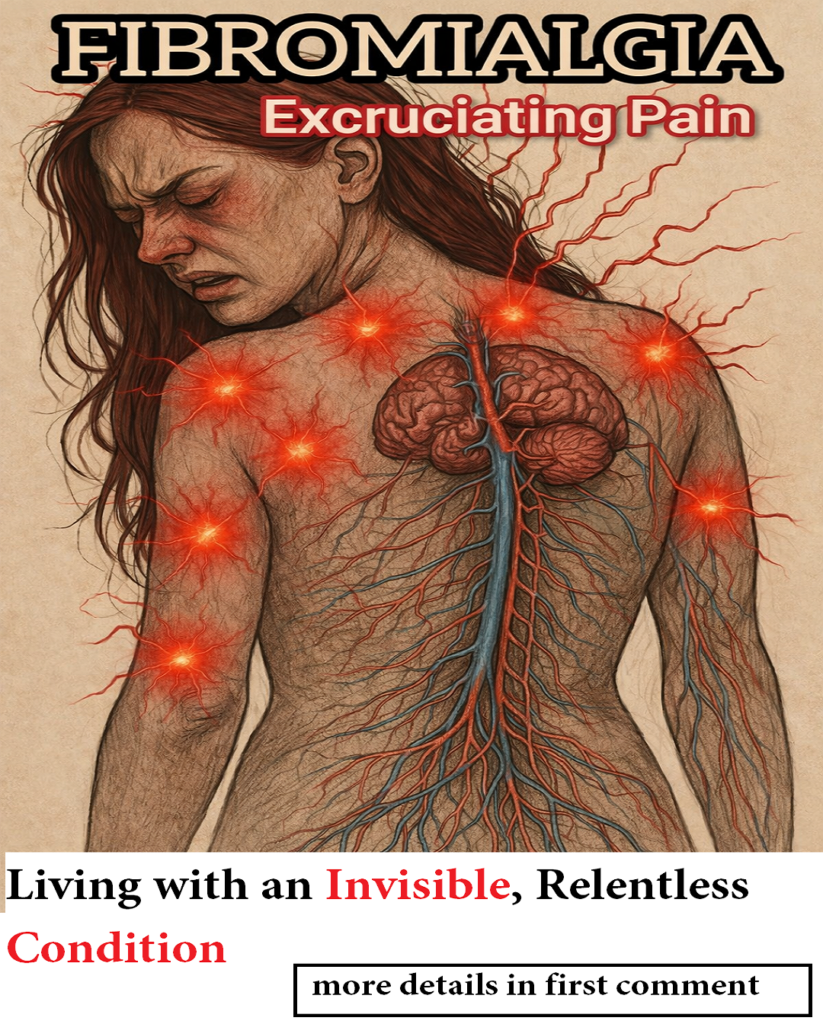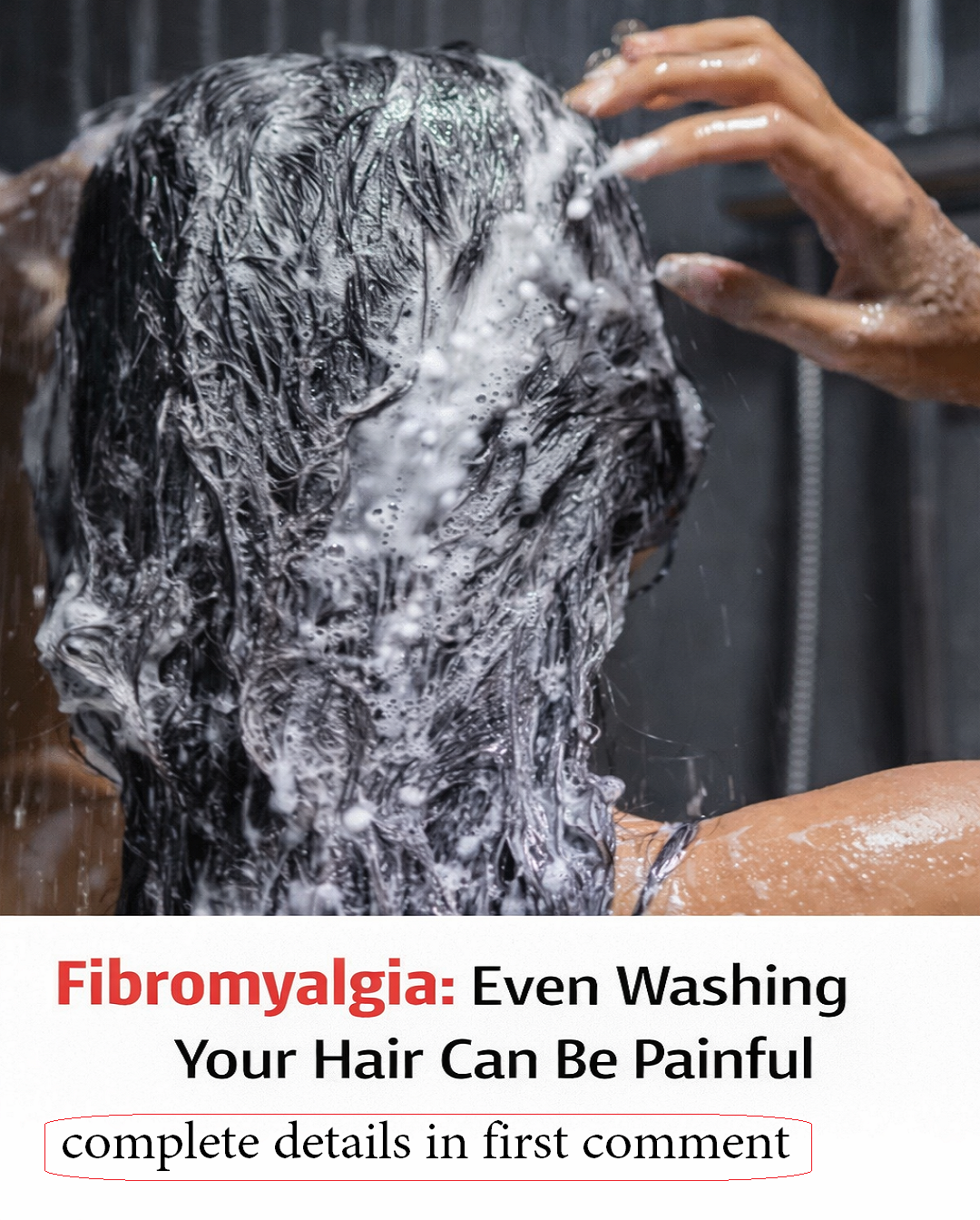
Living with fibromyalgia means learning that pain does not always come from obvious causes. It hides in the smallest, most ordinary moments of life. One of the most confusing and emotionally draining examples is something many people never think twice about: washing your hair.
For someone with fibromyalgia, lifting the arms, standing under running water, or repeating gentle movements can trigger intense pain, exhaustion, and weakness. What should take a few minutes can leave the body trembling and drained for hours—or even days.
This experience is not rare. It is not imagined. And it is not a sign of laziness or lack of effort. It is a real, physical response from a nervous system that is already overwhelmed.
Understanding Fibromyalgia and Daily Pain
Fibromyalgia is a chronic pain condition that affects the muscles, joints, connective tissues, and nervous system at the same time. Unlike injuries that show up on scans or blood tests, fibromyalgia works beneath the surface, altering how the brain and nerves process pain.
People with fibromyalgia experience central sensitization, meaning their nervous system reacts more strongly to stimulation than it should. Sensations that feel neutral to others—pressure, movement, temperature, or repetitive motion—can feel painful, exhausting, or unbearable.
This is why everyday tasks like brushing hair, folding clothes, cooking, or showering can feel like physical labor.
Why Washing Hair Is Especially Difficult
Washing your hair combines several triggers that are particularly challenging for people with fibromyalgia:
-
Overhead arm movement
-
Muscle engagement in the shoulders and neck
-
Standing balance and posture
-
Temperature and water pressure
-
Repetitive motion
-
Sensory stimulation on the scalp
Each of these factors alone can cause discomfort. Together, they can overwhelm an already fatigued nervous system.
Shoulder and Arm Pain in Fibromyalgia
Raising the arms to wash hair puts sustained pressure on the shoulders, upper back, and neck. These areas are common pain points for people with fibromyalgia.
Muscles may feel like they are burning, shaking, or giving out. Joints may ache or feel unstable. Even after lowering the arms, the pain often lingers, spreading down the back or into the arms.
This is not weakness in the traditional sense—it is neuromuscular fatigue, where the body’s signals are distorted and exaggerated.
Neck Tension and Upper Back Strain
The neck and upper spine play a major role in hair washing. Tilting the head back, forward, or to the side engages muscles that are often already tight and inflamed in fibromyalgia.
Many people report:
-
Neck stiffness
-
Headaches after showering
-
Pain radiating into the shoulders or between the shoulder blades
-
Increased dizziness or balance issues
These symptoms can make showers feel unsafe or anxiety-provoking.
Sensory Sensitivity and Scalp Pain
Fibromyalgia is not just about muscles—it also affects sensory processing. The scalp, which is rich in nerve endings, can become extremely sensitive.
Water pressure, shampoo texture, temperature changes, and even gentle finger movements may feel sharp, irritating, or painful. What should feel soothing can instead feel overwhelming.
This heightened sensitivity is part of why fibromyalgia pain feels so unpredictable.
Fatigue That Hits Immediately
One of the most frustrating aspects of fibromyalgia is how quickly energy disappears.
Many people describe:
-
Sudden weakness mid-shower
-
Shaking arms or hands
-
Feeling lightheaded or faint
-
Needing to sit down immediately
The body reacts as if it has been pushed too far, even when the task is short. This happens because fibromyalgia disrupts how the body produces and uses energy.
Pain That Lingers After the Shower
For many, the hardest part isn’t the shower itself—it’s what comes after.
Pain may:
-
Spread down the spine
-
Settle deep in the shoulders
-
Trigger muscle stiffness for hours
-
Cause a full pain flare the next day
This delayed response makes people hesitant to shower regularly, not because they don’t want to—but because they know the cost.
It’s Not Laziness—It’s Physical Limitation
People with fibromyalgia are often misunderstood. When others hear that washing hair is “too hard,” they may assume exaggeration or lack of effort.
In reality, fibromyalgia involves:
-
Altered pain perception
-
Nervous system overload
-
Reduced muscle endurance
-
Poor recovery after exertion
The pain is real. The exhaustion is real. And pushing through often makes symptoms worse, not better.
Emotional Impact of Struggling With Self-Care
Struggling with basic hygiene can affect mental health deeply. Many people with fibromyalgia experience:
-
Guilt for needing help
-
Embarrassment about limitations
-
Anxiety around showering
-
Fear of being judged
-
Loss of independence
These emotional burdens can be just as heavy as the physical pain.
Adaptive Strategies That Can Help
Many people with fibromyalgia find ways to reduce pain while washing their hair. These adaptations are not signs of weakness—they are tools for survival.
Sitting While Washing Hair
Using a shower chair or stool reduces strain on the legs, back, and balance system. Sitting allows the body to conserve energy and avoid sudden weakness.
Breaking the Task Into Stages
Instead of washing, conditioning, and drying all at once, some people split the process:
-
Wash hair only
-
Rest
-
Condition later
-
Air dry instead of blow drying
Reducing Frequency
Skipping days between washes can prevent flares. Dry shampoo or protective hairstyles can help extend time between washes.
Using Lighter Products
Heavy bottles and thick shampoos require more grip strength. Lightweight containers and pump dispensers reduce effort.
Lowering Arm Height
Hand-held showerheads allow washing without lifting arms high for long periods.
Listening to the Body Without Guilt
One of the most important lessons in fibromyalgia management is learning to respect limits. Pain is not a failure—it is feedback.
Resting, modifying tasks, or postponing activities is part of managing a chronic condition, not giving up.
Why Understanding and Empathy Matter
Fibromyalgia is often invisible. There are no casts, bandages, or visible injuries. This invisibility leads many people to suffer in silence.
Understanding that something as simple as washing hair can hurt helps others see fibromyalgia more clearly—not as a vague condition, but as a daily battle fought in small moments.
Living With Pain in the Details
Fibromyalgia is not just about bad days or flare-ups. It lives in the details of everyday life.
When lifting arms burns, when water hurts the skin, when fatigue hits without warning, life becomes a series of careful choices.
And yet, people with fibromyalgia keep going—adjusting, adapting, and enduring more than most will ever know.
Final Thoughts
If washing your hair hurts when you have fibromyalgia, you are not alone—and you are not imagining it. Your pain has a biological basis, rooted in how your nervous system processes the world.
Fibromyalgia demands understanding, patience, and compassion—from others, and from yourself.
Because when even the smallest tasks require courage, every day lived is an act of strength.