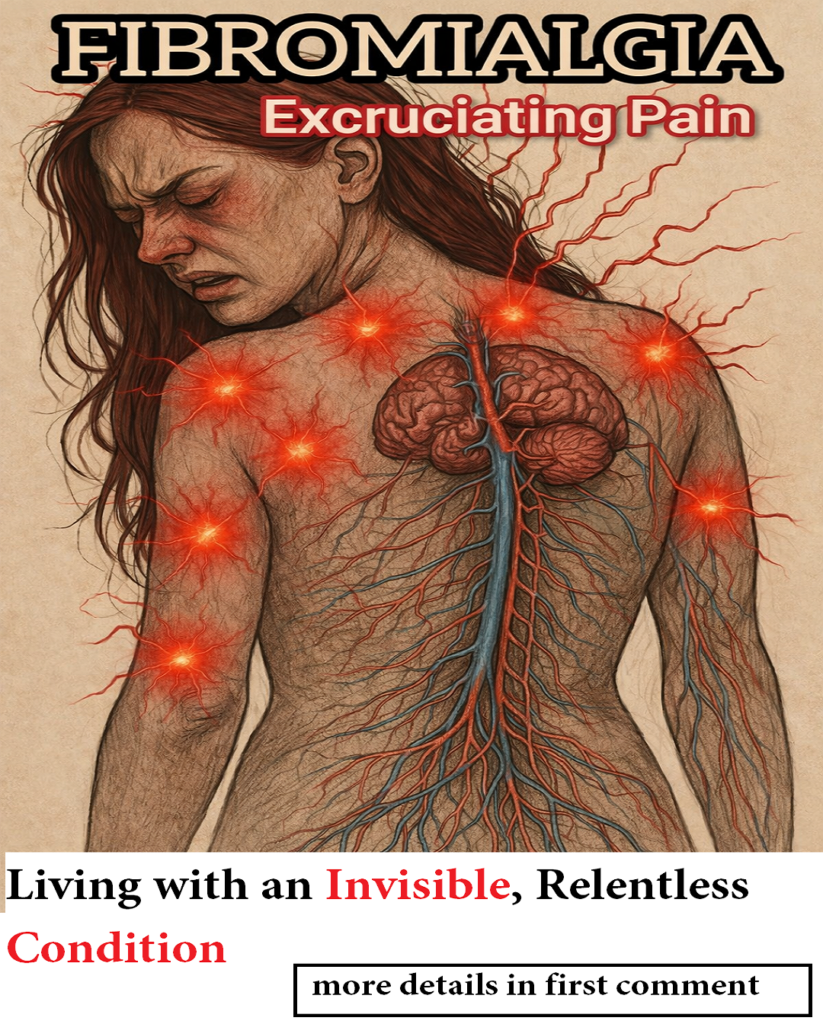
For many people living with fibromyalgia, summer is not a season of relief. While warmth is often associated with comfort and relaxation, intense heat can do the opposite for those with this chronic pain condition. Instead of easing muscles, high temperatures frequently worsen pain, fatigue, cognitive symptoms, and overall discomfort.
This reaction is not imagined, exaggerated, or psychological. It is rooted in the way fibromyalgia affects the nervous system and how the body processes sensory information—including temperature. Understanding why heat can be a trigger is an important step toward managing symptoms and protecting quality of life.
In this article, we’ll explore why heat aggravates fibromyalgia, how the nervous system is involved, the symptoms that tend to flare during hot weather, and practical strategies to cope more effectively. Most importantly, we’ll reaffirm a truth many patients need to hear: adapting to heat is not weakness—it is self-care.
Understanding Fibromyalgia and the Nervous System
Fibromyalgia is a chronic pain condition characterized by widespread musculoskeletal pain, fatigue, sleep disturbances, cognitive difficulties (often called fibrofog), and heightened sensitivity to sensory input. Unlike inflammatory diseases, fibromyalgia does not damage tissues directly. Instead, it alters how the central nervous system processes signals.
Central Sensitization: The Core Problem
At the heart of fibromyalgia lies a phenomenon known as central sensitization. This means the brain and spinal cord amplify signals that would normally be perceived as mild or harmless. Pain feels stronger, lasts longer, and spreads more easily. The same amplification applies to other sensations, including:
-
Heat and cold
-
Pressure and touch
-
Light and sound
-
Physical exertion
Because temperature regulation is controlled by the nervous system, any dysregulation can lead to abnormal reactions to heat. What feels warm or tolerable to others may feel overwhelming, draining, or painful to someone with fibromyalgia.
Why Heat Triggers Fibromyalgia Symptoms
Heat affects the body in multiple ways, and for a nervous system already under stress, these changes can push symptoms into a flare.
1. Nervous System Overload
In fibromyalgia, the autonomic nervous system—the part responsible for regulating involuntary functions like heart rate, blood pressure, sweating, and temperature—often functions poorly. This is sometimes referred to as autonomic dysfunction.
When exposed to heat:
-
The body struggles to regulate internal temperature
-
Sweating may be excessive or ineffective
-
Heart rate and blood pressure can fluctuate
-
The nervous system becomes more irritable
This overload increases pain perception and contributes to dizziness, nausea, and unease.
2. Blood Vessel Dilation and Circulation Changes
Heat causes vasodilation, meaning blood vessels widen to help release excess heat. While this is a normal response, in people with fibromyalgia it can lead to:
-
A drop in blood pressure
-
Reduced blood flow to the brain
-
Feelings of weakness, heaviness, or lightheadedness
These circulation changes can intensify fatigue and trigger headaches or faintness, especially when standing or moving.
3. Increased Muscle and Joint Stress
High temperatures can worsen muscle fatigue and joint discomfort. Muscles already prone to tension and micro-spasms may feel heavier and more painful. Instead of relaxing, they become overstimulated, leading to stiffness and aching that can persist long after the heat exposure ends.
Common Fibromyalgia Symptoms That Worsen in Hot Weather
While each person with fibromyalgia reacts differently, many report a recognizable pattern of symptom escalation during hot days.
Increased Pain and Body Heaviness
Widespread pain often becomes more intense and diffuse. Many describe a sensation of:
-
Deep, aching pain
-
Burning or throbbing discomfort
-
A heavy, weighted feeling in the limbs
This can make even simple movements feel exhausting.
Extreme Fatigue and Energy Crashes
Heat places additional demands on the body. For someone already dealing with chronic fatigue, this can result in:
-
Sudden energy depletion
-
Post-exertional malaise
-
Difficulty completing routine tasks
Rest may not bring immediate relief, leading to frustration and emotional strain.
Fibrofog and Cognitive Difficulties
Cognitive symptoms frequently worsen in hot weather. People may experience:
-
Poor concentration
-
Memory lapses
-
Slowed thinking
-
Difficulty finding words
This “mental fog” can interfere with work, communication, and daily decision-making.
Dizziness, Nausea, and Autonomic Symptoms
Heat intolerance can also manifest as:
-
Dizziness or vertigo
-
Nausea or stomach discomfort
-
Excessive sweating
-
Sensitivity to standing or movement
In some cases, individuals may feel anxious or unwell without a clear external cause, which is often linked to nervous system dysregulation rather than emotional distress.
Poor Sleep and Nighttime Discomfort
Hot nights are particularly challenging. Sleep disturbances may include:
-
Difficulty falling asleep
-
Frequent awakenings
-
Non-restorative sleep
Because sleep quality is directly linked to pain levels, poor rest often leads to worse symptoms the following day, creating a cycle that is hard to break.
Practical Strategies to Cope With Heat and Fibromyalgia
While heat sensitivity cannot always be eliminated, thoughtful adjustments can significantly reduce its impact.
Keep the Body Cool and the Environment Controlled
Maintaining a cooler environment helps reduce nervous system stress. Consider:
-
Using fans or air conditioning when possible
-
Choosing well-ventilated spaces
-
Closing curtains during peak heat hours
Even small reductions in ambient temperature can make a noticeable difference.
Prioritize Hydration
Dehydration intensifies fatigue, pain, and dizziness. To stay adequately hydrated:
-
Sip water regularly throughout the day
-
Include electrolytes if sweating heavily
-
Avoid excessive caffeine and alcohol
Hydration supports circulation and helps the body cope with temperature changes more effectively.
Wear Light, Breathable Clothing
Clothing choices matter more than many realize. Opt for:
-
Loose-fitting garments
-
Natural, breathable fabrics
-
Seam-free or soft textures to avoid sensory irritation
Avoid tight, rough, or synthetic materials that trap heat or irritate sensitive skin.
Use Cooling Techniques Gently
Cooling the body can help, but extremes should be avoided. Safer options include:
-
Slightly cool (not cold) showers or baths
-
Cooling towels applied to the neck or wrists
-
Lukewarm foot soaks
Sudden cold exposure can overstimulate the nervous system and worsen symptoms.
Adjust Activity Levels and Timing
Energy management is essential in hot weather. Try to:
-
Avoid physical effort during the hottest parts of the day
-
Break tasks into smaller steps
-
Allow extra rest between activities
Listening to the body early can prevent severe flares later.
Create a Sleep-Friendly Environment
Improving nighttime comfort supports recovery. Helpful steps include:
-
Keeping the bedroom cool and dark
-
Using breathable bedding
-
Establishing a calming bedtime routine
Even modest improvements in sleep quality can reduce pain sensitivity.
Emotional Impact of Heat Intolerance in Fibromyalgia
Beyond physical symptoms, heat intolerance can take an emotional toll. Many people feel frustrated when they cannot tolerate weather conditions others enjoy. Social activities may be limited, and self-judgment can creep in.
It’s important to recognize that these limitations are physiological, not personal failings. The body is responding to stress signals it cannot regulate properly. Acknowledging this reality allows for self-compassion instead of guilt.
Adapting to Heat Is Self-Care, Not Weakness
One of the most damaging myths surrounding fibromyalgia is the idea that pushing through discomfort builds strength. In reality, ignoring heat triggers often leads to more severe and prolonged flares.
Adapting routines, controlling the environment, and reducing activity during heat exposure are acts of self-respect. They help preserve energy, protect the nervous system, and make daily life more manageable.
Every person with fibromyalgia is different. Some tolerate warmth better than others, and triggers can change over time. The key is self-observation and flexibility, not comparison.
Final Thoughts: Living Well With Fibromyalgia in Hot Weather
Heat intolerance is a real and significant challenge for many people with fibromyalgia. It is driven by nervous system dysregulation, altered circulation, and heightened sensory processing—not by weakness or lack of resilience.
By understanding the connection between heat and symptom flares, individuals can make informed choices that reduce suffering. Cooling strategies, hydration, activity pacing, and sleep support all play a role in minimizing the impact of hot weather.
Most importantly, recognizing personal limits and responding with care is not giving up—it is adapting wisely. With the right strategies, it is possible to navigate heat more safely and maintain a better quality of life, even with fibromyalgia.