Fibromyalgia Thigh Pain: Causes, Triggers, and Effective Ways to Relieve Leg Pain
Fibromyalgia is a chronic health condition that affects millions of people worldwide. It is widely known for causing widespread pain, fatigue, and tenderness in different parts of the body. Among the many symptoms associated with fibromyalgia, thigh pain and leg weakness are common complaints reported by patients.
Many individuals living with fibromyalgia describe their thigh pain as deep muscle soreness, burning sensations, or aching that can make everyday activities difficult. Walking, climbing stairs, standing for long periods, or even sitting comfortably may become challenging. Over time, this discomfort can affect mobility and overall quality of life.
Understanding why fibromyalgia causes thigh pain and how it can be managed is essential for people living with the condition. In this article, we will explore the causes, triggers, and practical ways to ease fibromyalgia-related thigh pain so individuals can better manage their symptoms and maintain a healthier lifestyle.
Understanding Fibromyalgia and Its Impact on the Legs
Fibromyalgia is considered a chronic pain disorder that affects the muscles, ligaments, and tendons throughout the body. While the exact cause is not fully understood, researchers believe the condition is related to how the brain and nervous system process pain signals.
In people with fibromyalgia, the nervous system becomes more sensitive, which means even mild pressure or minor muscle strain can feel extremely painful. This phenomenon is often referred to as pain amplification.
Although fibromyalgia pain can occur anywhere in the body, the thighs and legs are particularly vulnerable. The muscles in these areas support daily movement and carry much of the body’s weight. As a result, they may become easily fatigued or inflamed when the body is already dealing with widespread pain sensitivity.
Common symptoms affecting the thighs and legs include:
-
Deep muscle aches in the upper legs
-
Burning or throbbing sensations in the thighs
-
Muscle stiffness or tightness
-
Weakness in the legs
-
Difficulty walking or standing for long periods
-
Morning muscle fatigue
Many patients report that the pain becomes worse after physical activity or prolonged sitting. For some individuals, the discomfort may even interfere with sleep or make it difficult to maintain an active routine.
What Triggers Fibromyalgia Thigh Pain?
Fibromyalgia symptoms often fluctuate, meaning they can improve at times and worsen unexpectedly. Several factors may trigger or intensify thigh pain in people living with this condition.
1. Muscle Overuse and Physical Stress
One of the most common triggers is overuse of muscles. Activities such as excessive walking, running, lifting heavy objects, or prolonged standing may increase muscle strain in the thighs.
Because fibromyalgia muscles are already sensitive, even normal daily movements can lead to soreness or fatigue.
2. Lack of Physical Activity
While overexertion can worsen symptoms, complete inactivity can also increase pain. When muscles remain inactive for long periods, stiffness and reduced circulation may occur. This can lead to discomfort and weakness in the thighs.
A balanced approach that includes gentle movement and rest is often recommended.
3. Poor Diet and Gut Imbalance
Some natural health experts suggest that an imbalance in the body’s internal environment may contribute to fibromyalgia symptoms. One theory involves the overgrowth of a fungus known as Candida albicans, which naturally exists in the body but may increase due to factors such as:
-
Excessive use of antibiotics
-
High sugar consumption
-
Processed foods
-
Poor digestion
-
Weak immune function
According to this perspective, the buildup of toxins associated with fungal imbalance may irritate muscles and tissues, potentially contributing to thigh pain and inflammation. While more scientific research is still needed, many people report improvement in symptoms after improving their diet and gut health.
4. Stress and Poor Sleep
Stress is another major trigger for fibromyalgia flare-ups. Emotional stress, anxiety, and poor sleep patterns can significantly increase muscle pain and fatigue.
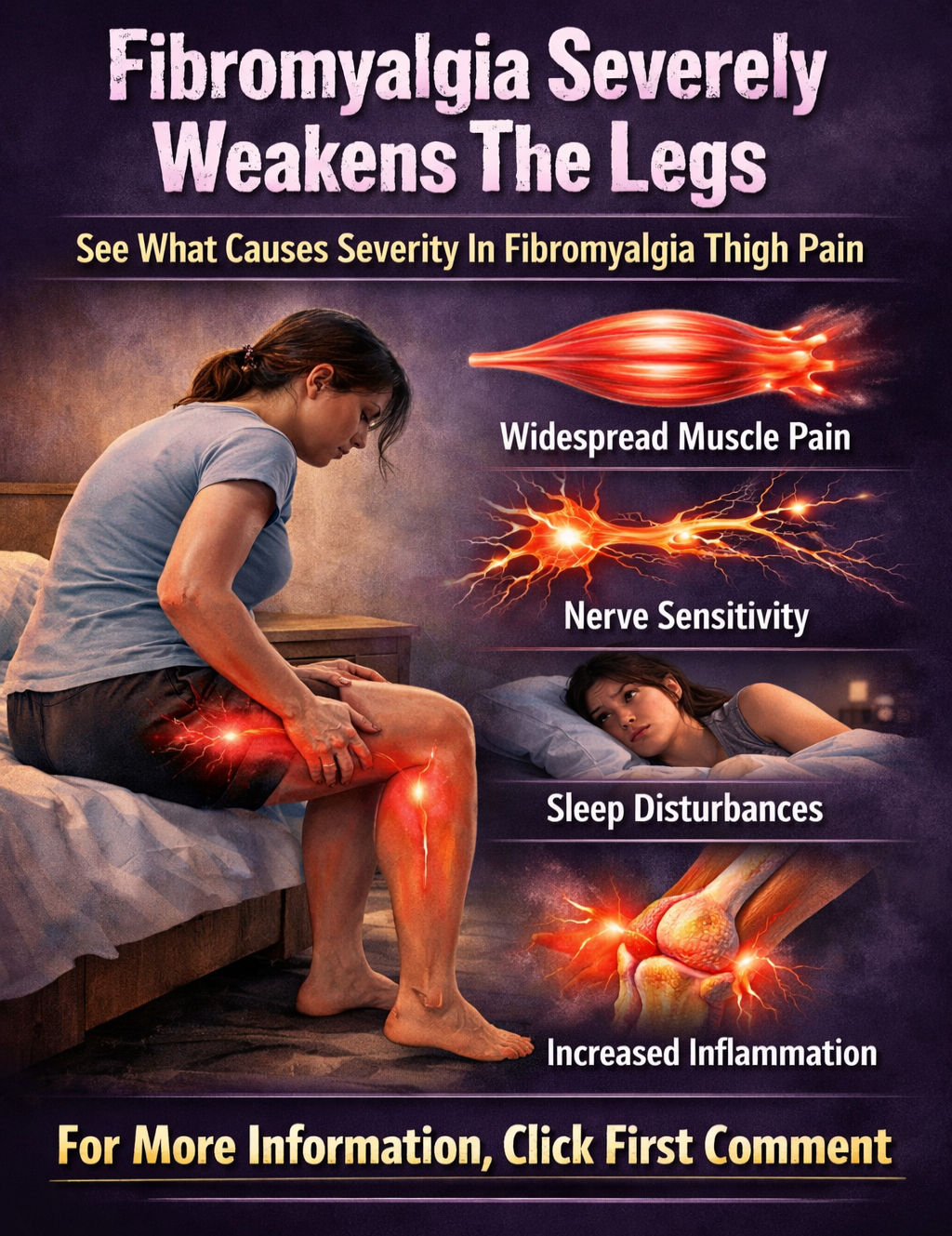
Sleep disturbances are extremely common among fibromyalgia patients. When the body does not get enough restorative sleep, muscles cannot recover properly, which may intensify thigh discomfort the following day.
How Fibromyalgia Weakens the Legs
People with fibromyalgia often experience muscle fatigue and weakness, especially in the legs. This can make routine activities such as walking, climbing stairs, or standing in one place difficult.
Several factors contribute to leg weakness:
-
Persistent muscle inflammation
-
Poor sleep recovery
-
Reduced physical activity due to pain
-
Increased nervous system sensitivity
Over time, this combination may lead to reduced muscle strength and endurance. As a result, some individuals may feel that their legs are heavy, shaky, or unable to support their body for long periods.
This is why proper pain management and lifestyle adjustments are essential for maintaining mobility.
Natural Ways to Ease Fibromyalgia Thigh Pain
Although fibromyalgia does not currently have a permanent cure, many strategies can help manage thigh pain and improve comfort.
1. Adequate Rest and Relaxation
Rest is one of the most important components of fibromyalgia management. When thigh pain becomes intense, the body needs time to recover.
Experts recommend avoiding activities that may worsen muscle strain, such as:
-
Intense running
-
Overstretching
-
Heavy lifting
-
Excessive exercise
Instead, focus on gentle movements and balanced rest periods throughout the day.
2. Cold Compress Therapy
Cold therapy is often used to reduce inflammation and swelling in painful muscles. Applying an ice pack or cold compress to the affected thigh area can help narrow blood vessels and reduce inflammation.
This process slows blood flow to the painful region, which may relieve soreness and swelling.
For best results:
-
Apply ice for about 15–20 minutes
-
Repeat several times throughout the day
-
Always wrap ice in a cloth to protect the skin
Many people find that regular cold therapy significantly reduces fibromyalgia flare-ups in the thighs.
3. Heat Therapy for Muscle Relaxation
While cold compresses help reduce swelling, heat therapy can relax tight muscles and improve blood circulation.
Applying a warm compress, heating pad, or warm bath may help loosen stiff muscles and promote better blood flow to the affected area.
Heat therapy is particularly helpful when thigh pain is caused by muscle stiffness or tension.
Medical Treatments for Fibromyalgia Thigh Pain
In addition to lifestyle adjustments, doctors may recommend medications to manage fibromyalgia-related pain.
Anti-Inflammatory Medications
Non-steroidal anti-inflammatory drugs (NSAIDs) are often used to reduce muscle soreness and inflammation. Common options include medications such as naproxen or ibuprofen.
These medications may help relieve:
-
Muscle aches
-
Swelling
-
Joint discomfort
However, they should only be used according to medical guidance.
Antidepressants and Muscle Relaxants
Some medications originally developed for depression have been shown to improve fibromyalgia symptoms.
Certain antidepressants can help regulate brain chemicals involved in pain perception. These medications may:
-
Reduce pain sensitivity
-
Improve sleep quality
-
Decrease fatigue
Muscle relaxants may also be prescribed to relieve tight muscles and reduce tension in the thighs and other areas of the body.
Some studies suggest that medications like amitriptyline can improve sleep and reduce morning fatigue in many fibromyalgia patients.
Steroid Treatment for Severe Pain
In more severe cases, healthcare professionals may recommend steroid medications to reduce inflammation and control intense pain.
Because steroids can have side effects, they are typically used only when other treatments do not provide sufficient relief.
Deep Tissue Massage and Alternative Therapies
Massage therapy is another popular approach used by individuals managing fibromyalgia symptoms.
Deep tissue massage focuses on releasing tension in muscles and connective tissues. Many natural medicine practitioners believe this technique may help remove toxins and improve circulation in affected muscles.
Possible benefits of massage therapy include:
-
Reduced muscle tension
-
Improved blood flow
-
Decreased pain sensitivity
-
Better relaxation and stress reduction
Other supportive therapies may include:
-
Gentle yoga
-
Stretching exercises
-
Warm water therapy
-
Acupuncture
-
Mindfulness and meditation
While these approaches may not work for everyone, many patients report noticeable improvement when combining them with medical treatment.
Diet and Lifestyle Tips for Managing Fibromyalgia Pain
Healthy lifestyle choices can also play an important role in managing fibromyalgia symptoms.
Eat a Balanced Diet
A nutrient-rich diet may help support the immune system and reduce inflammation. Consider including:
-
Leafy green vegetables
-
Fresh fruits
-
Whole grains
-
Lean proteins
-
Healthy fats such as olive oil and nuts
Reducing processed foods and excess sugar may also help maintain better overall health.
Stay Gently Active
Light physical activity helps maintain muscle strength and circulation. Low-impact exercises such as walking, swimming, or stretching can help prevent stiffness without putting excessive strain on the thighs.
Improve Sleep Quality
Because poor sleep can worsen fibromyalgia pain, maintaining a consistent sleep routine is extremely important. Try to:
-
Go to bed at the same time each night
-
Reduce screen exposure before sleep
-
Create a calm sleeping environment
Better sleep often leads to less pain and improved energy levels.
Living with Fibromyalgia Thigh Pain
Fibromyalgia thigh pain can be frustrating and physically exhausting, especially when it interferes with everyday activities. However, with the right combination of medical care, lifestyle adjustments, and supportive therapies, many individuals can successfully manage their symptoms.
Understanding the triggers behind fibromyalgia pain is the first step toward finding relief. Whether it involves improving diet, managing stress, using cold and heat therapy, or following a doctor’s treatment plan, small lifestyle changes can make a significant difference over time.
Although fibromyalgia is a long-term condition, people living with it can still maintain an active and fulfilling life by learning how to manage symptoms effectively. With proper support, awareness, and self-care, relief from thigh pain is possible, allowing individuals to move more comfortably and enjoy daily activities again.