







Fibromyalgia when every touch turns into suffering The Silent War Inside Your Body

Living with fibromyalgia means waking up every day in conflict with your own body. Nothing works predictably. What was possible yesterday may be impossible today. The body hurts, becomes exhausted, stiffens, and reacts as if it were constantly under attack. It is a silent war. There are no visible wounds, no bleeding, and no tests that show the damage. Yet the battle is happening all the time. The nervous system remains constantly on alert, interpreting ordinary stimuli as a threat and turning simple movements into pain. Every action requires negotiation.…

Read More

Does Fibromyalgia Ever Make You Feel Unsteady—Like You Can’t Walk Straight?

Have you ever stood up, started walking, and suddenly felt as though your body was not moving the way you expected? Maybe your steps feel awkward, you drift slightly to one side, or you feel unsteady as if you cannot walk straight. For people living with fibromyalgia, this experience can be confusing and frightening. Can fibromyalgia make you feel unsteady? Can fibromyalgia affect balance and walking? The answer can be more complicated than a simple yes or no. Fibromyalgia is best known for widespread pain, fatigue, sleep problems, and cognitive…

Read More

Fibromyalgia Foot Pain: Why Getting Out of Bed Can Hurt So Much

Fibromyalgia is a complex condition characterized by widespread chronic pain, fatigue, and other symptoms that affect quality of life. Among the many discomforts people report, pain in the soles of the feet can be particularly disabling, although it does not always receive the attention it deserves. Anyone living with this pain knows that something as seemingly simple as getting out of bed or taking the first steps of the day can become a real challenge. What Does Fibromyalgia Foot Pain Feel Like? The pain can vary in intensity and type,…

Read More

New pathways identified to reduce pain and depressive symptoms associated with fibromyalgia

Fibromyalgia is a chronic condition affecting between 2% and 6% of the global population, characterized by widespread, persistent pain often associated with fatigue, sleep disturbances, cognitive difficulties and affective symptoms. Despite its high prevalence—particularly among women—the mechanisms contributing to the development and persistence of the disease are not yet fully understood. To investigate possible factors involved in these symptoms, a research team from the INc-UAB and IR Sant Pau worked with male and female mice in which symptoms similar to fibromyalgia were induced. The animals exhibited increased sensitivity to touch,…

Read More

Did You Know Why It Hurts? Fibromyalgia and the Torment of Sciatica

Have you ever felt a burning, stabbing, or electric-like pain traveling from your lower back into your buttock and down your leg—and wondered why it hurts so much? If you live with fibromyalgia, this type of pain can be particularly confusing. You may already deal with widespread muscle pain, fatigue, tenderness, and sensitivity, so when severe leg or lower-back pain appears, it can be difficult to know whether it is another fibromyalgia symptom or something different. This is where fibromyalgia and sciatica can become especially challenging. Fibromyalgia is associated with…

Read More

Leg Pain in Fibromyalgia: Causes, Symptoms, and Ways to Find Relief

Fibromyalgia is a chronic condition known for widespread pain, fatigue, and heightened sensitivity throughout the body. Among its many symptoms, leg pain in fibromyalgia is one of the most distressing and limiting. For many individuals, leg discomfort is not just occasional soreness — it can be deep, burning, heavy, and persistent, making everyday movement a struggle. Understanding the nature of fibromyalgia leg pain, its causes, and practical ways to manage it can significantly improve quality of life. This article explores everything you need to know about fibromyalgia leg pain, muscle…

Read More

Fibromyalgia and the Reality of Invisible Pain: Living With a Condition Others Cannot See

Fibromyalgia is one of the most misunderstood chronic health conditions of our time. It does not announce itself through visible wounds, casts, scars, or abnormal imaging results. To the outside world, the body of someone with fibromyalgia often appears healthy and intact. Yet beneath that surface exists a persistent, exhausting, and life-altering pain that reshapes every part of daily living. This contradiction—appearing well while suffering deeply—is what makes fibromyalgia especially devastating. The pain is invisible, but its consequences are not. For those living with the condition, fibromyalgia is not simply…

Read More

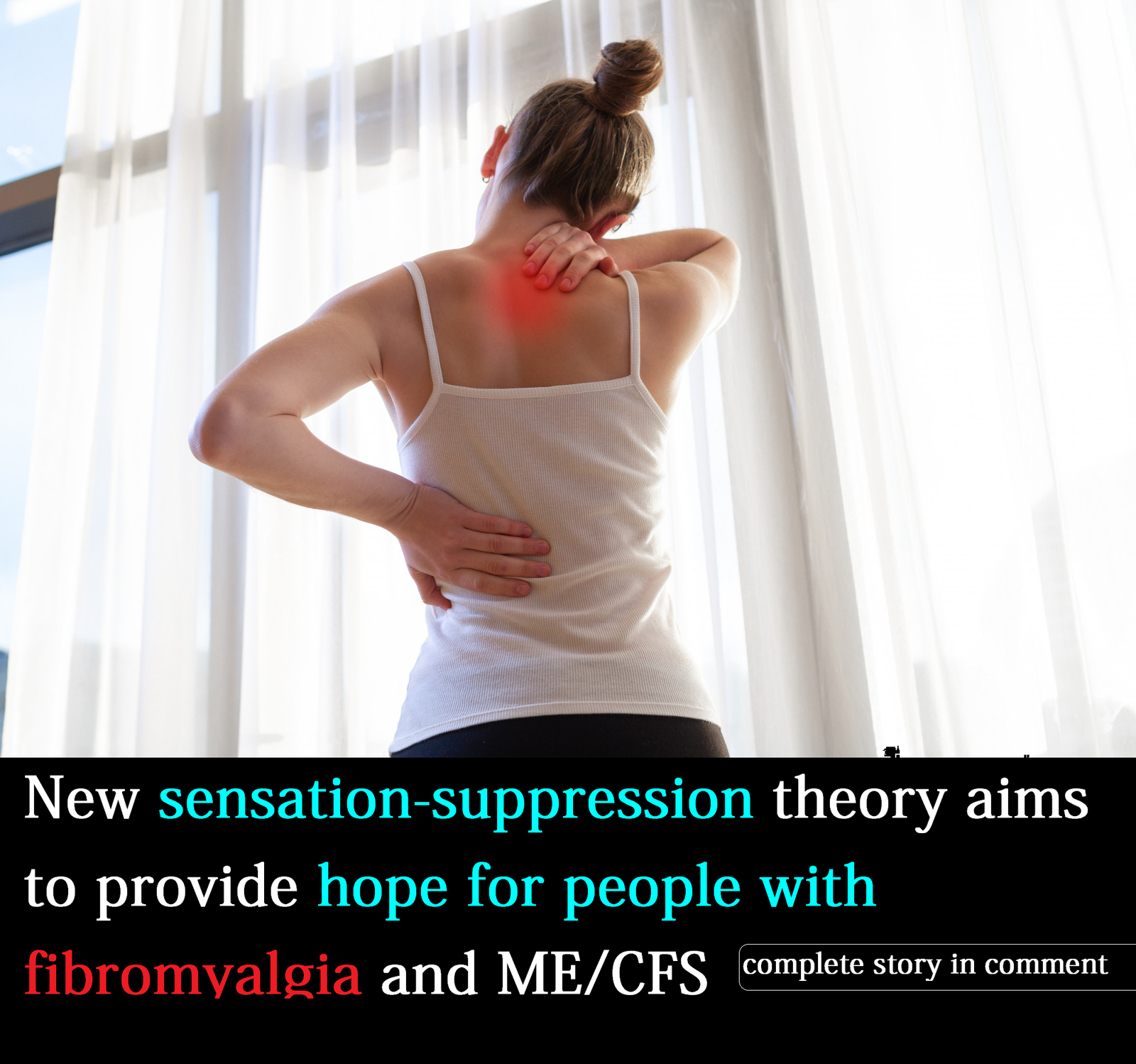
New sensation-suppression theory aims to provide hope for people with fibromyalgia and ME/CFS

For millions of people living with fibromyalgia and myalgic encephalomyelitis/chronic fatigue syndrome (ME/CFS), one of the most frustrating parts of the illness is not simply the pain or exhaustion. It is the uncertainty surrounding why these symptoms happen in the first place. People with fibromyalgia may experience widespread pain, tenderness, sleep problems, brain fog, headaches, sensitivity to light or sound, and overwhelming fatigue. People with ME/CFS can experience profound exhaustion, post-exertional malaise, cognitive difficulties, unrefreshing sleep, pain, and a variety of sensory symptoms. Despite decades of research, scientists still do…

Read More

Fibromyalgia and Trochanteric Bursitis: When Hip Pain Has More Than One Origin.

Trochanteric bursitis is a common cause of hip pain and can coexist with fibromyalgia, intensifying the suffering. In fibromyalgia, the nervous system is in a state of hypersensitivity, which causes any inflammatory or mechanical process to be perceived much more intensely. The trochanteric bursa is a small, fluid-filled sac located on the side of the hip. Its function is to reduce friction between the muscles, tendons, and femur. When it becomes inflamed, it causes localized pain that worsens when walking, climbing stairs, lying on the affected side, or remaining standing…

Read More

Fibromyalgia Brain Fog: Why Fibromyalgia Can Affect Memory, Focus, and Thinking

Fibromyalgia is not limited to muscle pain and intense fatigue. One of the less-discussed symptoms, but one that can have a major impact on daily life, is cognitive impairment, commonly known as “fibro fog” or brain fog. Many people report difficulty remembering simple information, losing their train of thought during a conversation, forgetting appointments, or even feeling that their thinking is “slow,” as if their brain were stuck. This phenomenon is not imaginary or a sign of laziness—it can be part of the condition itself. Studies suggest that fibromyalgia may…

Read More