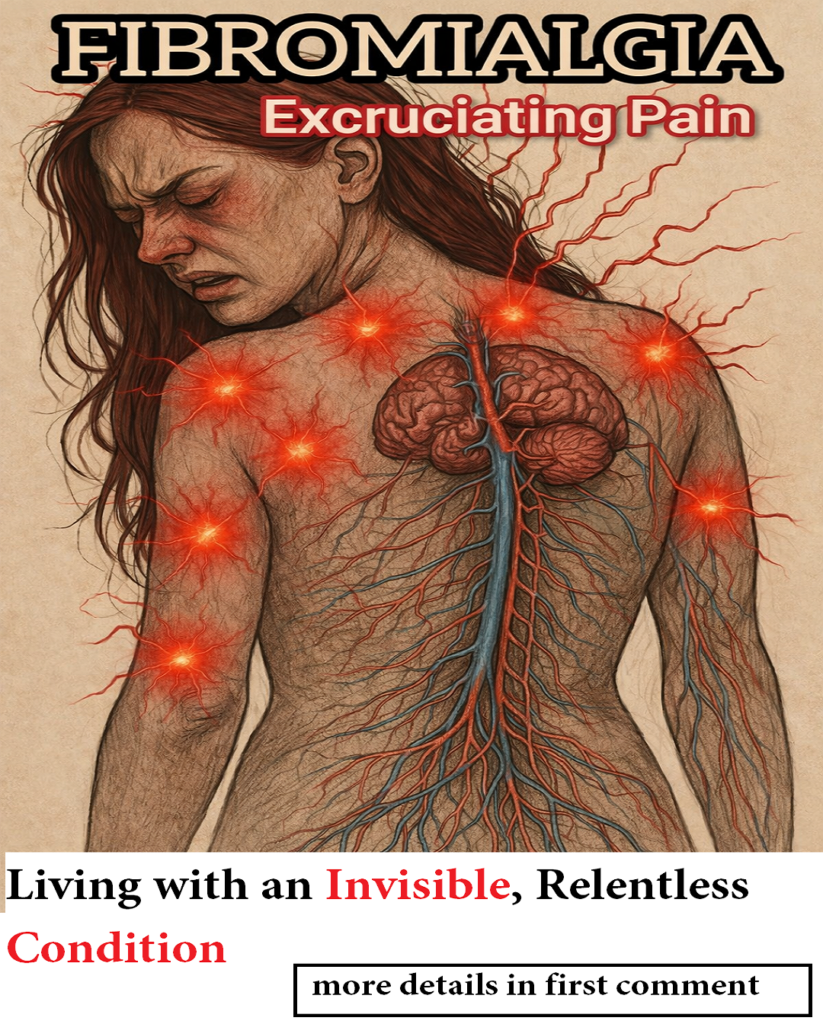
Living with fibromyalgia often feels like inhabiting a body that no longer moves freely. Muscles feel rigid, joints feel locked, and even the simplest movement demands conscious effort. The body does not flow naturally; instead, it resists. Every step, stretch, or shift in position carries weight—sometimes literal, sometimes emotional.
Fibromyalgia is not just pain. It is heaviness, stiffness, and a constant sense that the body is working against itself. For those who live with this condition, comfort is rare and relief is temporary. Understanding what this experience truly feels like is essential—not only for awareness, but for compassion.
Understanding Fibromyalgia Beyond the Diagnosis
Fibromyalgia is a chronic pain condition that affects the way the nervous system processes pain signals. Unlike inflammatory diseases or degenerative joint disorders, fibromyalgia does not show up clearly on scans or blood tests. There is no visible damage to muscles or joints, yet the pain is persistent and real.
This disconnect often leads to misunderstanding. People may ask, “What’s wrong if nothing is damaged?” But fibromyalgia is not about injury—it is about perception. The nervous system remains in a state of heightened alert, amplifying sensations that would otherwise be neutral or mild.
This altered pain processing explains why fibromyalgia symptoms are widespread, unpredictable, and deeply exhausting. Pain does not follow rules. It moves, changes intensity, and settles where it chooses.
The Constant Stiffness and Heaviness of the Fibromyalgia Body
One of the most common and distressing fibromyalgia symptoms is stiffness. Muscles feel tight, hardened, and resistant, as if they are permanently contracted. Joints may feel rigid, especially in the morning or after periods of rest.
This stiffness is not limited to physical exertion. It can appear after waking up, after sitting, or even after sleeping for hours. Stretching an arm, standing from a chair, or walking a short distance can trigger sharp discomfort or deep aching pain.
Many people with fibromyalgia describe their body as feeling heavy, as though gravity itself is stronger. Movement feels slow and deliberate, not fluid or instinctive. Every action requires planning, pacing, and mental preparation.
This heaviness is not weakness—it is neurological overload. The muscles are constantly tense because the brain never fully allows them to relax.
Why Fibromyalgia Pain Never Fully Goes Away
Fibromyalgia pain is not episodic. It does not simply appear and disappear. While intensity may fluctuate, there is rarely a true absence of pain. There is no neutral baseline where the body feels entirely at ease.
Rest does not restore the body in the way it should. Sleep may reduce fatigue slightly, but it does not erase pain. Even after long periods of rest, stiffness often returns quickly, reinforcing the sense that the body is never fully at peace.
This ongoing pain creates a cycle:
-
Pain causes muscle tension
-
Muscle tension increases stiffness
-
Stiffness leads to limited movement
-
Limited movement increases pain
Breaking this cycle is extremely difficult, especially when energy levels are already depleted.
The Role of the Nervous System in Fibromyalgia Stiffness
Fibromyalgia is rooted in the central nervous system. The brain and spinal cord interpret sensory information differently, magnifying pain signals even when there is no physical injury.
This phenomenon, often referred to as central sensitization, keeps the body in a constant state of alert. Muscles remain tight as a protective response, even though there is nothing to protect against. Over time, this constant tension contributes to deep stiffness and soreness.
The body behaves as though it is under threat—even during rest. This explains why fibromyalgia stiffness can worsen after inactivity instead of improving. The nervous system does not switch off.
Understanding this mechanism is crucial. Fibromyalgia pain is not imagined, exaggerated, or psychological. It is neurological, systemic, and deeply physical.
Fatigue, Sleep Disturbance, and the Lack of True Recovery
Fibromyalgia fatigue is not ordinary tiredness. It is a bone-deep exhaustion that sleep does not fix. Many people wake up feeling just as tired—or more tired—than when they went to bed.
Sleep disturbances are common. Light sleep, frequent waking, and non-restorative rest prevent the body from repairing itself. This lack of recovery worsens stiffness, pain sensitivity, and emotional resilience.
The combination of pain and fatigue makes daily functioning difficult. Tasks that once felt automatic now require careful energy management. Even enjoyable activities may come with a cost that must be paid later in pain.
The Emotional Weight of Living in a Painful Body
Beyond physical symptoms, fibromyalgia carries a heavy emotional burden. Living in a body that does not cooperate can feel isolating and frustrating. There is grief for the body that once moved freely and anger at limitations that appear without warning.
Trying to look “normal” while feeling unwell inside is exhausting. Plans must be flexible, expectations adjusted, and boundaries constantly negotiated—often without understanding from others.
There is also the emotional fatigue of explaining pain that cannot be seen. When suffering lacks visible proof, it is often minimized or dismissed. This can lead to self-doubt, guilt, and emotional withdrawal.
Yet despite these challenges, people with fibromyalgia continue to adapt. They learn new ways to move, rest, and exist within their limits.
Learning to Live Inside an Aching Body
Living with fibromyalgia is an ongoing process of adjustment. There is no final stage of acceptance or perfect coping strategy. Each day brings new challenges, new pain patterns, and new decisions about energy use.
Small victories matter. Completing a task, managing pain without escalation, or simply getting through the day are achievements worth recognizing.
Support—whether medical, emotional, or community-based—plays a critical role. Feeling believed and understood can ease the emotional burden, even when physical pain persists.
Fibromyalgia may turn the body into a difficult place to live, but it does not erase resilience. Those who live with this condition continue, day after day, learning how to exist within an aching, stiff, heavy body—without surrendering their humanity.
Final Thoughts: Fibromyalgia Is Real, Persistent, and Deserving of Respect
Fibromyalgia is not laziness. It is not weakness. It is not a lack of willpower.
It is a complex, neurological condition that affects the entire body and reshapes daily life. The stiffness, heaviness, and unrelenting pain are real, even when invisible.
Understanding fibromyalgia means listening to those who live with it. Respect begins with belief, and compassion begins with awareness.