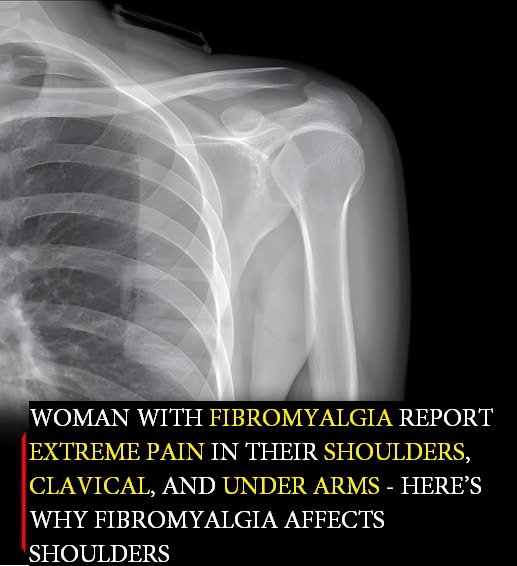
Woman With Fibromyalgia Reports Extreme Pain in Shoulders, Clavicle, and Underarms — Why Fibromyalgia Affects the Shoulder Area
Fibromyalgia is often described as “pain everywhere,” but ask most women living with this condition and you’ll hear a more specific complaint: relentless shoulder pain. For many, the discomfort spreads across the clavicle (collarbone), radiates into the upper arms, and even settles into the underarm region. It can feel sharp one day, burning the next, and deeply aching by night.
If you’re a woman with fibromyalgia experiencing extreme pain in your shoulders, clavicle, or underarms, you’re not imagining it. There are clear physiological reasons why this region becomes a hotspot for fibromyalgia symptoms. In this in-depth guide, we’ll explore why shoulder pain is so common, what’s happening inside the body, and what practical steps can help ease the burden.
Understanding Fibromyalgia and Widespread Pain
Fibromyalgia is a chronic pain condition that affects how the brain and nervous system process pain signals. Instead of responding normally, the nervous system amplifies sensations. This process is often referred to as central sensitization.
In people with fibromyalgia, pain isn’t always caused by injury or inflammation. Instead, the brain interprets normal sensations—like pressure or movement—as painful. That’s why even light touch or everyday activity can feel overwhelming.
Women are diagnosed with fibromyalgia far more frequently than men. Hormonal influences, immune differences, and variations in pain perception may all contribute to this gender gap. But regardless of the cause, one pattern is clear: the shoulder and upper chest area are commonly affected.
Why Fibromyalgia Affects the Shoulders So Intensely
The shoulder region is one of the most complex and overworked areas of the body. It contains multiple joints, muscles, tendons, and nerves working together for movement and stability. When fibromyalgia is present, this complexity can become a liability.
Here are the key reasons why shoulder pain is so common:
1. Concentration of Tender Points
Historically, fibromyalgia was diagnosed by identifying tender points. Many of those classic tender points are located around the upper trapezius, near the collarbone, and along the shoulder blades.
Even though modern diagnostic criteria no longer require a tender point exam, these sensitive areas still exist. For many women, pressure on the upper shoulders or near the clavicle produces disproportionate pain.
2. Muscle Tension and Guarding
Chronic pain leads to chronic muscle tension. The shoulders are especially vulnerable because stress naturally causes people to “carry tension” in this area. Over time, tight muscles reduce circulation, build up metabolic waste, and become sore and stiff.
Fibromyalgia magnifies this process. What might be mild tension in someone else becomes intense, persistent pain.
3. Central Sensitization and Nerve Amplification
The nerves that travel through the neck, shoulders, and underarms are part of a complex network called the brachial plexus. In fibromyalgia, nerve signals in this region may become hypersensitive.
This heightened nerve activity can cause:
-
Burning sensations
-
Electric-like shocks
-
Deep aching
-
Sensitivity to clothing or touch
Pain in the underarms often surprises women, but this area contains lymph nodes, nerve pathways, and muscle attachments that can all become sensitive when the nervous system is on high alert.
4. Poor Sleep and Muscle Recovery
Sleep disturbances are a hallmark of fibromyalgia. Without deep restorative sleep, muscles do not fully recover from daily use. The shoulders, which are constantly engaged during waking hours, remain in a cycle of fatigue and inflammation-like discomfort.
Over time, this lack of recovery worsens pain intensity.
Why the Clavicle (Collarbone) Area Hurts in Fibromyalgia
The clavicle connects the arm to the body and acts as a structural bridge. It anchors muscles such as:
-
The pectoralis major
-
The sternocleidomastoid
-
The deltoid
In fibromyalgia, these muscle attachments can become extremely sensitive. Even mild pressure—like a bra strap or seatbelt—may cause significant discomfort.
Additionally, pain felt near the clavicle may not originate there directly. It can be referred pain from tight neck muscles or irritated shoulder structures. The brain sometimes misinterprets the source, making the pain feel widespread across the upper chest and collarbone.
Underarm Pain and Fibromyalgia: What’s Really Happening?
Underarm pain is often overlooked in discussions about fibromyalgia, yet many women report tenderness or aching in this area.
There are several possible reasons:
1. Trigger Points in Surrounding Muscles
Trigger points in the latissimus dorsi, serratus anterior, or pectoral muscles can send pain signals into the underarm. Because fibromyalgia heightens sensitivity, these trigger points become more active and more painful.
2. Nerve Hypersensitivity
The underarm region contains important nerve branches. When the nervous system is sensitized, even normal nerve activity may be perceived as pain.
3. Lymphatic Sensitivity
While fibromyalgia is not a lymphatic disease, some women experience tenderness around lymph node areas. This may be related to heightened pain perception rather than actual infection or swelling.
If underarm pain is accompanied by visible swelling, redness, or fever, it’s important to seek medical evaluation to rule out other conditions.
The Role of Stress in Shoulder and Upper Body Pain
Emotional stress directly impacts physical pain. When stress hormones rise, muscles contract and breathing becomes shallow. The shoulders lift slightly and stay tense.
For someone with fibromyalgia, this normal stress response becomes amplified. Over time, the upper body remains in a guarded position. The result? Persistent shoulder, clavicle, and underarm pain.
Stress management isn’t just helpful—it’s essential.
How Hormones Influence Shoulder Pain in Women
Hormonal fluctuations can influence pain sensitivity. Estrogen, in particular, affects how pain signals are processed in the brain.
Many women report worsening fibromyalgia shoulder pain:
-
Before menstruation
-
During perimenopause
-
After menopause
Hormonal changes may increase inflammation-like responses or alter neurotransmitter levels, intensifying discomfort in already sensitive areas.
Daily Activities That Worsen Shoulder Pain in Fibromyalgia
Some everyday tasks can unknowingly aggravate shoulder pain:
-
Working long hours at a computer
-
Looking down at a phone
-
Carrying heavy bags on one shoulder
-
Sleeping on one side
-
Wearing tight straps
Because fibromyalgia lowers the pain threshold, repetitive strain quickly becomes overwhelming. Small ergonomic adjustments can make a meaningful difference.
Effective Strategies to Relieve Shoulder, Clavicle, and Underarm Pain
There is no single cure for fibromyalgia, but there are many ways to reduce pain intensity and improve function.
Gentle Stretching and Mobility Work
Slow, controlled stretching can improve circulation and reduce muscle stiffness. Focus on:
-
Neck rolls
-
Shoulder shrugs
-
Chest-opening stretches
-
Arm circles
The key is consistency, not intensity.
Heat Therapy
Warm showers, heating pads, or warm compresses can soothe tight muscles. Heat increases blood flow and reduces stiffness in the shoulder region.
Low-Impact Exercise
Activities like walking, swimming, or light yoga support overall pain reduction. While movement may feel uncomfortable at first, regular low-impact exercise has been shown to decrease fibromyalgia symptoms over time.
Massage and Myofascial Release
Gentle massage can calm overactive nerves and relax tense muscles. However, pressure should be light. Deep tissue massage may be too intense for many women with fibromyalgia.
Sleep Optimization
Improving sleep quality directly impacts muscle recovery. Creating a calming bedtime routine, limiting screen time, and keeping a consistent sleep schedule can help.
Stress Reduction Techniques
Mindfulness, breathing exercises, journaling, and guided relaxation can reduce nervous system overactivity. When the nervous system calms, pain perception often decreases.
When to See a Doctor About Shoulder Pain
Although fibromyalgia commonly causes shoulder and clavicle pain, it’s important not to assume every symptom is fibromyalgia-related.
Seek medical evaluation if you experience:
-
Sudden severe pain
-
Swelling or redness
-
Fever
-
Loss of arm strength
-
Numbness that worsens
-
Chest pain with shortness of breath
Conditions such as rotator cuff injuries, frozen shoulder, arthritis, or nerve compression can occur alongside fibromyalgia and require specific treatment.
Living With Fibromyalgia Shoulder Pain: Emotional Impact
Chronic shoulder pain can affect more than movement. It influences mood, relationships, and daily independence.
Simple tasks like brushing hair, lifting groceries, or hugging a loved one may become exhausting. Over time, this can lead to frustration or isolation.
Acknowledging the emotional weight of chronic pain is just as important as treating the physical symptoms. Support groups, therapy, or connecting with others who understand fibromyalgia can be incredibly validating.
The Bigger Picture: Why Awareness Matters
Many women with fibromyalgia feel dismissed when they report shoulder, clavicle, or underarm pain. Because there’s no visible injury, others may underestimate the severity.
Understanding that fibromyalgia alters pain processing—not just muscles—helps explain why these symptoms are real and intense.
Raising awareness empowers women to seek appropriate care, advocate for themselves, and explore supportive therapies without guilt or self-doubt.
Final Thoughts: You’re Not Imagining the Pain
If you’re a woman with fibromyalgia experiencing extreme shoulder, clavicle, or underarm pain, your experience is valid. The combination of central sensitization, muscle tension, nerve hypersensitivity, sleep disruption, and hormonal influence creates a perfect storm in this region of the body.
The shoulder area works constantly throughout the day. When the nervous system is already overstimulated, even minor strain can feel magnified.
While fibromyalgia remains complex and individualized, many women find relief through gentle movement, stress management, improved sleep, and personalized medical care.
Most importantly, remember this: the pain is real, even if others can’t see it. And with the right strategies and support, it can become more manageable over time.