Fibromyalgia Symptoms, a chronic condition affecting millions worldwide, remains a complex and often misunderstood disorder. As we move into 2025, awareness of fibromyalgia and its symptoms continues to grow, empowering individuals to seek proper diagnosis and management. If you or a loved one are experiencing persistent pain, fatigue, or cognitive challenges, understanding fibromyalgia symptoms is the first step toward reclaiming control over your health. This blog post dives deep into the symptoms of fibromyalgia, how they manifest, and what you need to know about navigating this condition in 2025. With advancements in research and a focus on holistic care, there’s hope for better management and improved quality of life.
Understanding Fibromyalgia: A Chronic and Invisible Illness
Fibromyalgia is a long-term condition characterized by widespread pain, fatigue, and a range of other symptoms that can significantly impact daily life. Unlike conditions with visible markers, such as a broken bone or a rash, fibromyalgia is often called an “invisible illness” because its symptoms are not outwardly apparent. This invisibility can make it challenging for sufferers to receive empathy or understanding from others, adding an emotional burden to the physical one.
The hallmark symptom of fibromyalgia is **chronic, widespread pain** that affects multiple areas of the body, often described as a deep ache, burning, or throbbing sensation. This pain can fluctuate in intensity and may be accompanied by tenderness in specific areas, known as tender points. However, fibromyalgia symptoms extend far beyond pain, encompassing a wide array of physical, cognitive, and emotional challenges.
In 2025, researchers continue to explore the underlying causes of fibromyalgia, which may include genetic predispositions, nervous system dysfunction, or environmental triggers like stress or trauma. While the exact cause remains elusive, the focus on **symptoms and diagnosis** has improved, helping healthcare providers better identify and treat this condition. For those living with fibromyalgia, understanding the full scope of symptoms is critical to seeking appropriate care and building a support system.
Common Fibromyalgia Symptoms to Watch For
Fibromyalgia symptoms vary from person to person, but certain signs are commonly reported. Recognizing these symptoms is essential for early diagnosis and effective management. Below are some of the most prevalent fibromyalgia symptoms to be aware of in 2025:
– **Widespread Pain and Tenderness**: The defining feature of fibromyalgia is persistent pain that affects both sides of the body, above and below the waist. This pain may feel like a constant ache or a sharp, stabbing sensation. Tender points—specific areas that are painful when pressed—are often found in the neck, shoulders, chest, hips, and knees.
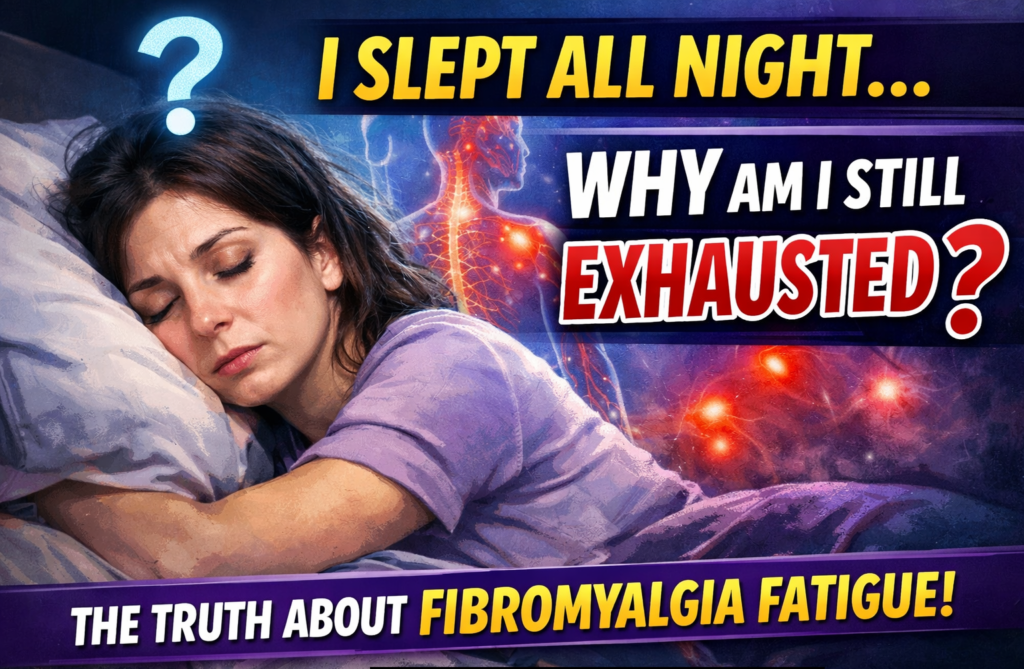
– **Fatigue and Sleep Disturbances**: Even after a full night’s sleep, people with fibromyalgia often wake up feeling exhausted. This is due to non-restorative sleep, where the body doesn’t enter deep, restorative sleep stages. Conditions like insomnia or sleep apnea may also exacerbate fatigue.
– **Cognitive Challenges (“Fibro Fog”)**: Many individuals report difficulty concentrating, memory lapses, or trouble finding words, a phenomenon often referred to as “fibro fog.” This cognitive impairment can make daily tasks, such as work or decision-making, feel overwhelming.
– **Sensitivity to Stimuli**: Fibromyalgia can heighten sensitivity to light, sound, touch, or temperature changes. For example, a gentle touch may feel painful, or bright lights may trigger discomfort.
– **Mood Disorders**: Anxiety and depression are common among those with fibromyalgia, likely due to the chronic pain and fatigue that disrupt daily life. These emotional symptoms can, in turn, worsen physical symptoms, creating a challenging cycle.
– **Other Physical Symptoms**: Additional symptoms may include headaches, irritable bowel syndrome (IBS), muscle stiffness, numbness or tingling in the extremities, and sensitivity to certain foods or chemicals.
These symptoms can wax and wane, with some days being more manageable than others. Known as “flare-ups,” periods of intensified symptoms can be triggered by stress, weather changes, overexertion, or poor sleep. By tracking symptoms and identifying triggers, individuals can work with healthcare providers to develop personalized strategies for managing fibromyalgia.
Symptoms & Diagnosis: How Fibromyalgia is Identified in 2025
Diagnosing fibromyalgia can be a complex process because its symptoms overlap with those of other conditions, such as rheumatoid arthritis, lupus, or chronic fatigue syndrome. However, advancements in **symptoms and diagnosis** protocols in 2025 have made it easier for healthcare providers to accurately identify fibromyalgia. Understanding the diagnostic process can help patients advocate for themselves and receive timely care.
The Diagnostic Process
In the past, fibromyalgia diagnosis relied heavily on the presence of tender points, but modern criteria focus on a broader assessment of symptoms. The American College of Rheumatology (ACR) provides updated guidelines that emphasize:
– **Widespread Pain Index (WPI)**: This measures the number of areas in the body where pain is experienced over the past week.
– **Symptom Severity Scale (SSS)**: This evaluates the severity of fatigue, cognitive symptoms, and other somatic symptoms.
– **Duration of Symptoms**: Symptoms must persist for at least three months to meet diagnostic criteria.
– **Exclusion of Other Conditions**: Doctors will conduct blood tests, imaging, or other assessments to rule out conditions like hypothyroidism, autoimmune diseases, or vitamin deficiencies that may mimic fibromyalgia symptoms.
In 2025, healthcare providers may also use advanced tools, such as wearable devices to monitor sleep patterns or pain levels, to gather data that supports a fibromyalgia diagnosis. Additionally, patient-reported symptom tracking apps have become popular, allowing individuals to log their symptoms and share them with their doctors for a more accurate assessment.
Challenges in Diagnosis
One of the biggest hurdles in diagnosing fibromyalgia is its subjective nature. Since there’s no single test to confirm the condition, patients may feel dismissed or misunderstood if their symptoms are not taken seriously. This is particularly true for women, who are diagnosed with fibromyalgia at higher rates than men, possibly due to hormonal or genetic factors. Raising awareness about fibromyalgia symptoms and advocating for thorough medical evaluations can help bridge this gap.
If you suspect you have fibromyalgia, keep a detailed symptom journal and communicate openly with your healthcare provider. Be specific about the location, intensity, and frequency of your pain, as well as any accompanying symptoms like fatigue or fibro fog. This information is invaluable for achieving an accurate diagnosis and starting a treatment plan.
Managing Fibromyalgia Symptoms in 2025: A Holistic Approach
While there is no cure for fibromyalgia, managing symptoms is possible with a combination of medical, lifestyle, and alternative approaches. In 2025, the emphasis on personalized care and integrative medicine offers new hope for those living with fibromyalgia. Below are some strategies to help manage symptoms effectively:
– **Medical Treatments**: Medications such as pain relievers, antidepressants, or anti-seizure drugs may help reduce pain and improve sleep. In 2025, newer medications targeting nervous system sensitivity are being studied, offering potential relief for fibromyalgia sufferers.
– **Lifestyle Changes**: Regular, low-impact exercise like yoga, swimming, or walking can improve strength and reduce stiffness. A balanced diet, rich in anti-inflammatory foods, may also help manage symptoms. Avoiding known triggers, such as caffeine or processed foods, can prevent flare-ups.
– **Therapies**: Cognitive-behavioral therapy (CBT) and mindfulness-based stress reduction (MBSR) can address the emotional toll of fibromyalgia, helping patients cope with anxiety, depression, or stress. Physical therapy and massage may also alleviate muscle tension and pain.
– **Support Systems**: Joining a fibromyalgia support group, either in-person or online, can provide emotional support and practical tips for managing symptoms. Connecting with others who understand the challenges of fibromyalgia can reduce feelings of isolation.
– **Emerging Technologies**: In 2025, wearable devices and mobile apps designed for chronic pain management are gaining popularity. These tools can track sleep, activity, and pain levels, helping patients and doctors identify patterns and adjust treatment plans accordingly.
Working closely with a healthcare team, including rheumatologists, neurologists, or pain specialists, is key to developing a tailored treatment plan. Be patient, as finding the right combination of strategies may take time, but persistence can lead to significant improvements in quality of life.
Looking Ahead: Hope for Fibromyalgia Patients in 2025
As we navigate 2025, the outlook for fibromyalgia patients is more promising than ever. Increased research, improved diagnostic tools, and a growing emphasis on holistic care are empowering individuals to take charge of their health. By understanding fibromyalgia symptoms, advocating for proper diagnosis, and exploring a range of management strategies, those affected by this condition can live fuller, more vibrant lives.
If you or someone you know is experiencing symptoms of fibromyalgia, don’t hesitate to seek medical advice. Keep a record of your symptoms, ask questions, and explore the resources available to you. With the right support and knowledge, managing fibromyalgia is within reach.
**Call to Action**: If you suspect you have fibromyalgia or want to learn more, consult a healthcare provider for a comprehensive evaluation. Share this post to raise awareness about fibromyalgia symptoms and help others take the first step toward diagnosis and relief.