Fibromyalgia: Like a Prisoner in My Own Body — Never Knowing What Torture Awaits Me
Fibromyalgia is not just pain.
It is uncertainty.
It is waking up every morning unsure whether your body will cooperate—or betray you.
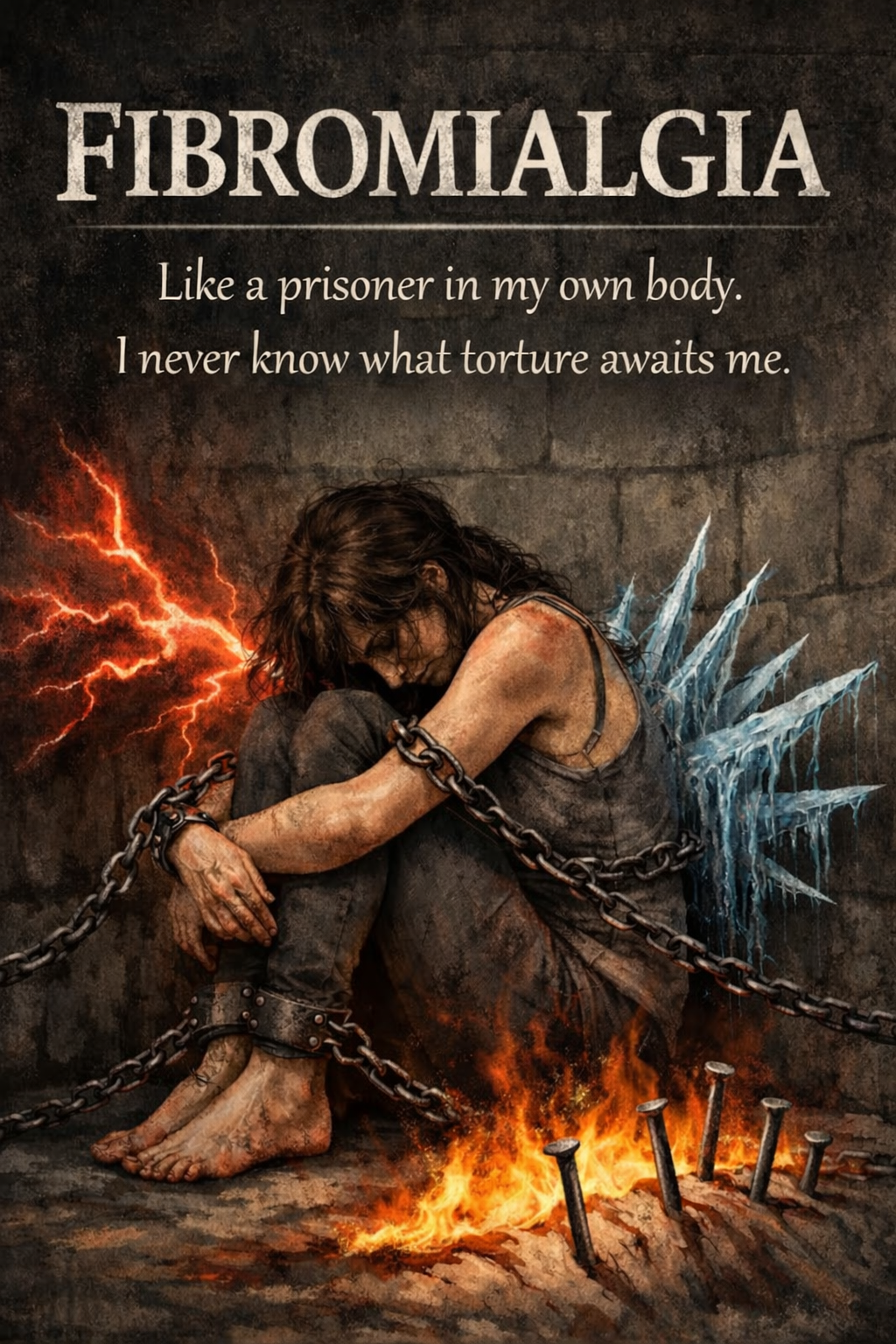
Living with fibromyalgia often feels like being trapped inside your own body, sentenced without a trial, punished without reason. One day you function almost normally, and the next, even brushing your teeth feels like climbing a mountain. The cruelest part is not knowing what kind of pain, fatigue, or cognitive fog awaits you when you open your eyes.
This is the reality millions of people live with every single day.
Fibromyalgia is invisible, misunderstood, and frequently dismissed. Yet for those who experience it, the suffering is real, relentless, and deeply personal.
What Is Fibromyalgia? Understanding the Invisible Illness
Fibromyalgia is a chronic pain disorder that affects the nervous system, amplifying pain signals throughout the body. Unlike injuries or inflammatory diseases, fibromyalgia does not show up clearly on X-rays, blood tests, or scans. That invisibility is one of the reasons it is so often questioned.
Common fibromyalgia symptoms include:
-
Widespread musculoskeletal pain
-
Chronic fatigue and exhaustion
-
Brain fog (often called fibro fog)
-
Sleep disturbances
-
Headaches and migraines
-
Sensitivity to light, sound, touch, and temperature
-
Anxiety and depression
-
Digestive issues such as IBS
The pain is not imagined. Research shows that people with fibromyalgia process pain differently. The nervous system stays in a constant state of high alert, as if danger is always present.
Your body reacts as though it is under attack—even when nothing external is wrong.
“Like a Prisoner in My Own Body”: The Emotional Weight of Fibromyalgia
The physical pain is only part of the suffering.
Fibromyalgia slowly chips away at independence, confidence, and identity. You may look fine on the outside while feeling completely broken on the inside. Friends stop asking because you cancel too often. Employers grow impatient. Even loved ones may struggle to understand why you “can’t just push through.”
But fibromyalgia does not respond to willpower.
It responds with flare-ups—unpredictable waves of pain and exhaustion that can last days, weeks, or longer. During a flare, it can feel as though your body has turned into a hostile environment. Muscles burn. Joints ache. Skin feels bruised to the touch. Thoughts become slow and scattered.
You are awake, but trapped. A prisoner inside a body that refuses to cooperate.
This loss of control often leads to grief. Grief for the person you used to be. Grief for the life you imagined. Grief for simple things—spontaneity, energy, reliability—that others take for granted.
The Unpredictable Nature of Fibromyalgia Flare-Ups
One of the most mentally exhausting aspects of fibromyalgia is never knowing what torture awaits.
A good day can turn into a nightmare without warning.
Common fibromyalgia flare-up triggers include:
-
Physical overexertion
-
Emotional stress or trauma
-
Weather changes
-
Poor sleep
-
Illness or infection
-
Hormonal fluctuations
But sometimes, flares happen without any identifiable reason at all.
That unpredictability forces people with fibromyalgia to live cautiously. Plans are made with hesitation. Joy is often followed by consequences. Even happiness can come at a price.
This constant state of vigilance keeps the nervous system locked in survival mode. Over time, it becomes mentally draining, feeding anxiety and fear of the next flare.
Fibromyalgia Fatigue: When Rest Is Never Enough
Fibromyalgia fatigue is not ordinary tiredness.
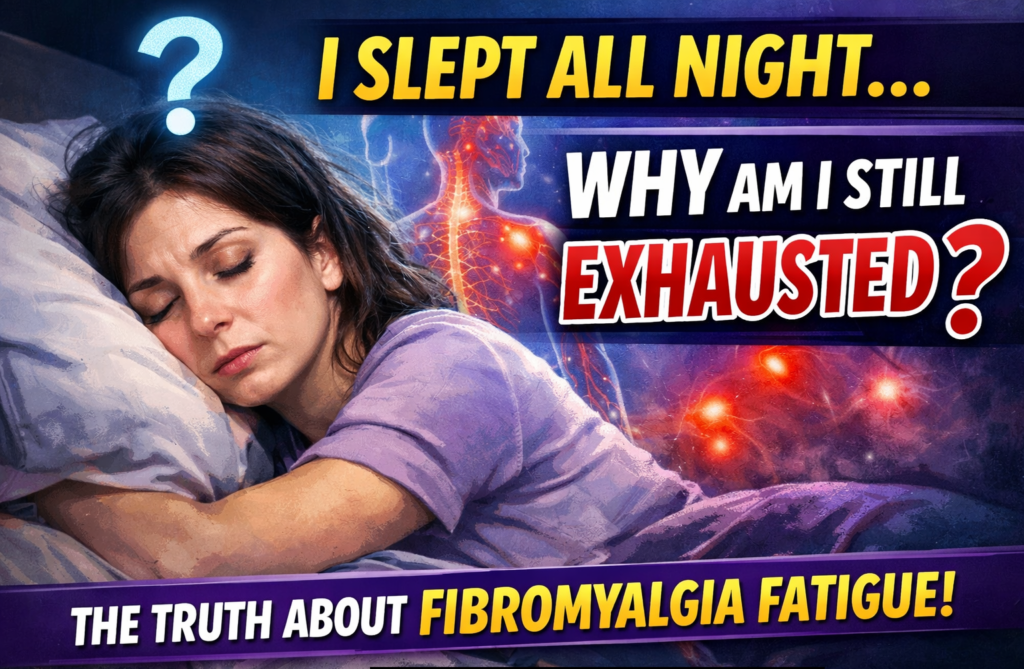
It is bone-deep exhaustion that sleep does not fix. You can rest for hours and still wake up feeling as though you never slept at all. Many people describe it as moving through thick mud, where every action requires immense effort.
Sleep problems are common in fibromyalgia. The brain struggles to reach restorative deep sleep, leaving the body stuck in a cycle of pain and fatigue.
This ongoing exhaustion affects:
-
Memory and concentration
-
Emotional regulation
-
Motivation
-
Physical strength
It is difficult to explain to someone who has never experienced it. You are not lazy. You are not unmotivated. Your body is simply overwhelmed.
Coping With Fibromyalgia: Survival, Not Perfection
There is currently no cure for fibromyalgia, but there are ways to manage symptoms and improve quality of life. Coping is deeply personal, and what works for one person may not work for another.
Common fibromyalgia management strategies include:
-
Gentle movement such as stretching, walking, or yoga
-
Pacing activities to avoid overexertion
-
Cognitive behavioral therapy (CBT) for pain coping
-
Medications to reduce nerve pain or improve sleep
-
Heat therapy and relaxation techniques
-
Stress reduction and emotional support
Perhaps the most important coping tool is self-compassion.
Living with fibromyalgia requires redefining strength. Strength is no longer about pushing harder—it is about listening to your body, setting boundaries, and allowing rest without guilt.
The Loneliness of Being Unbelieved
One of the quietest forms of suffering with fibromyalgia is not being believed.
Because the illness is invisible, many people face skepticism from doctors, employers, friends, and even family members. Statements like “You don’t look sick” or “Everyone gets tired” can cut deeply.
Validation matters.
Being believed does not cure fibromyalgia, but it reduces the emotional burden. It reminds people that their pain is real, their experience is valid, and they are not alone.
Online fibromyalgia communities have become lifelines for many—places where people can speak freely without judgment, share coping strategies, and feel understood.
Hope, Even in a Body That Hurts
Fibromyalgia can feel like a life sentence, but it is not the end of hope.
Many people eventually find rhythms that allow moments of peace, purpose, and even joy. Progress may be slow and nonlinear, but it exists. Learning your limits, advocating for yourself, and surrounding yourself with understanding support can make a meaningful difference.
Hope does not mean pretending the pain is small.
Hope means acknowledging the pain—and choosing to keep living anyway.
Final Thoughts: Living With Fibromyalgia Is an Act of Courage
Fibromyalgia is not weakness.
It is endurance.
It is waking up every day not knowing what pain awaits—and continuing anyway.
For those who live with fibromyalgia, survival itself is an act of strength. You are not broken. You are not exaggerating. You are navigating a complex, misunderstood condition with courage most people will never have to summon.
If you feel like a prisoner in your own body, know this:
You are seen.
You are valid.
And you are not alone.