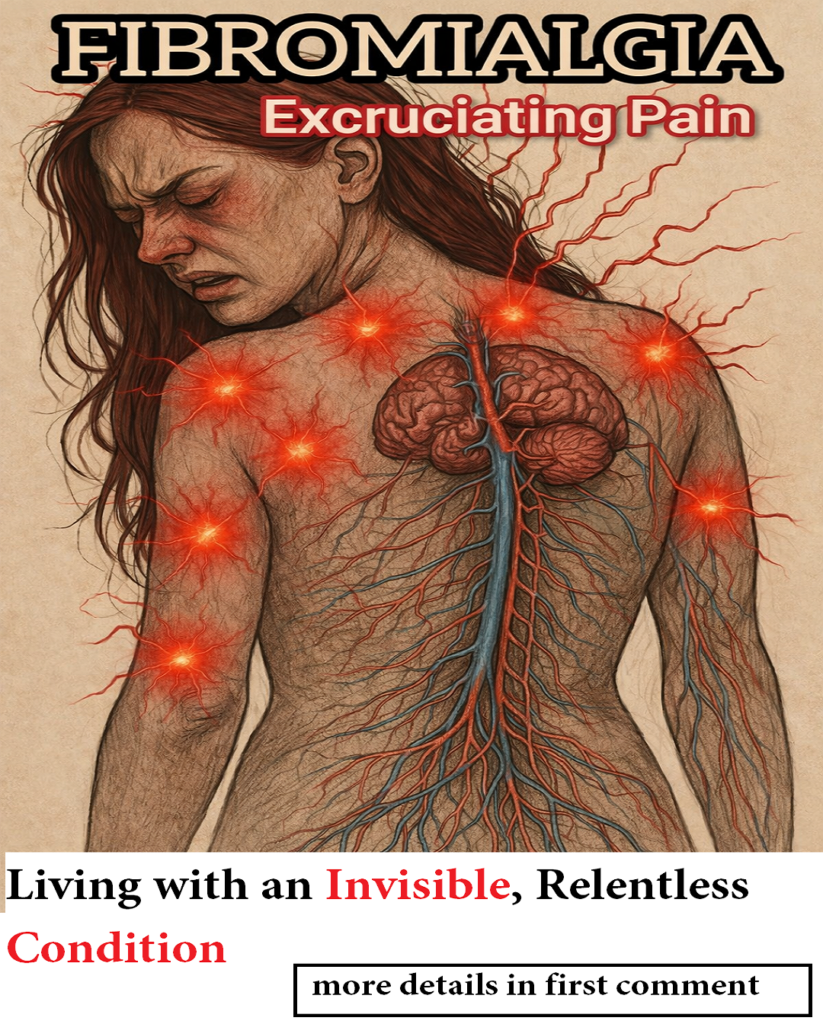
Fibromyalgia is often described as a condition of widespread muscle pain, fatigue, and brain fog. But for many people living with it, the pain goes far beyond muscles and joints. One of the most distressing and misunderstood symptoms is skin pain and extreme sensitivity—a sensation that can turn an ordinary touch into intense burning, stinging, or discomfort.
For someone without fibromyalgia, it can be hard to imagine how clothing can hurt, bath water can burn, or a hug can feel overwhelming. Yet for millions of people worldwide, this is a daily reality. This article explores fibromyalgia-related skin sensitivity, why it happens, how it affects daily life, and what can help manage it.
Understanding Skin Pain in Fibromyalgia
Skin pain in fibromyalgia is real, persistent, and deeply disruptive. It does not come with visible rashes, cuts, or inflammation, which often leads to confusion or dismissal by others. Despite the lack of outward signs, the pain is very real.
People describe this sensation in many ways:
-
Burning or stinging skin
-
Pain from light pressure or touch
-
Tingling or crawling sensations
-
Unexplained itching
-
Sensitivity to temperature changes
This symptom is not rare. In fact, skin hypersensitivity is a common fibromyalgia symptom, even though it receives far less attention than muscle pain or fatigue.
What Is Allodynia and Why Does It Happen?
One of the key explanations for fibromyalgia skin pain is a condition called allodynia.
Allodynia Explained
Allodynia occurs when the nervous system misinterprets non-painful stimuli as pain. In simple terms, things that should not hurt—such as light touch, clothing, or water—suddenly do.
For example:
-
A bedsheet brushing the skin may feel sharp or burning
-
A gentle pat may cause deep discomfort
-
A shower may feel scalding even at normal temperatures
This happens because the central nervous system is in a constant state of hypersensitivity. Pain signals are amplified, and the brain’s ability to filter sensory input becomes impaired.
The Role of the Nervous System in Fibromyalgia
Fibromyalgia is increasingly understood as a neurological pain disorder, rather than a problem of muscles or tissues alone.
Central Sensitization
At the core of fibromyalgia lies a process called central sensitization. This means the brain and spinal cord become overly reactive to sensory input.
In people with fibromyalgia:
-
Pain pathways are overactive
-
Pain-inhibiting systems are underactive
-
Sensory input is processed differently
As a result, normal sensations—touch, pressure, temperature—can feel overwhelming or painful.
Skin pain is one of the clearest examples of this process at work.
Common Skin Sensations Reported by People with Fibromyalgia
Fibromyalgia skin symptoms vary from person to person and may fluctuate from day to day. Some of the most commonly reported sensations include:
Burning Skin Sensation
Many people describe their skin as feeling sunburned, even when there has been no sun exposure. This burning can be localized or widespread.
Tingling and Pins-and-Needles
A prickling sensation may appear without warning, often worsening during flare-ups or periods of stress.
Pain From Clothing
Seams, tags, elastic bands, or tight fabrics can cause significant discomfort. Some people find even soft clothing unbearable on bad days.
Itching Without a Rash
Unexplained itching is common and can be severe, despite the absence of visible skin changes.
Sensitivity to Water
Bathing can become painful. Water that feels warm to others may feel scalding, while cool water may feel shocking.
How Fibromyalgia Skin Pain Affects Daily Life
Skin sensitivity may seem minor compared to chronic pain or fatigue, but its impact on daily life is profound.
Clothing Choices Become Limited
People often switch to:
-
Loose-fitting clothes
-
Seamless or tag-free garments
-
Soft, breathable fabrics
Even then, discomfort may persist.
Sleep Is Disrupted
Sensitive skin can make sheets and blankets painful, contributing to poor sleep quality—already a major challenge in fibromyalgia.
Physical Affection Becomes Difficult
Hugs, holding hands, or casual touch can feel overwhelming. This can affect relationships and emotional well-being, even when the desire for connection remains strong.
Personal Care Requires Adjustment
Soaps, lotions, and personal care products may trigger irritation. Many people must carefully test and limit what they use on their skin.
Why Fibromyalgia Skin Pain Is Often Misunderstood
One of the hardest aspects of fibromyalgia skin sensitivity is that it is invisible.
There are:
-
No wounds
-
No redness
-
No lab tests that clearly show the pain
This often leads to disbelief or minimization from others, including healthcare providers. Statements like “your skin looks fine” or “it’s just sensitivity” can feel invalidating.
Understanding that fibromyalgia pain is neurologically driven is essential to recognizing its legitimacy.
Triggers That Can Worsen Skin Sensitivity
Skin pain in fibromyalgia often fluctuates. Certain factors can make it worse, including:
-
Stress and emotional overload
-
Poor sleep
-
Weather changes, especially cold or humidity
-
Overexertion or physical fatigue
-
Fibromyalgia flare-ups
-
Anxiety or sensory overload
Learning personal triggers can help in managing symptoms more effectively.
Managing Fibromyalgia-Related Skin Pain
There is no single solution, but many people find relief through a combination of approaches. Management often requires patience and experimentation.
Gentle Skincare Choices
-
Use fragrance-free, hypoallergenic products
-
Avoid harsh soaps and exfoliants
-
Choose lukewarm water instead of hot
Clothing and Fabric Adjustments
-
Opt for cotton, bamboo, or modal fabrics
-
Avoid tight clothing and elastic
-
Remove tags and seams where possible
Temperature Regulation
Maintaining a comfortable, stable temperature can reduce discomfort. Sudden changes often worsen symptoms.
Stress Management
Since stress heightens nervous system sensitivity, techniques such as:
-
Deep breathing
-
Mindfulness
-
Gentle stretching
-
Relaxation exercises
can help calm sensory overload.
Medical and Therapeutic Support Options
While there is no cure for fibromyalgia, medical support can help reduce symptom intensity.
Medications
Some medications prescribed for fibromyalgia work by calming overactive nerve signals. These may indirectly reduce skin sensitivity in some individuals.
Nervous System-Focused Therapies
Approaches that focus on regulating the nervous system—rather than treating the skin itself—are often more effective.
Cognitive and Behavioral Strategies
Learning how pain is processed in the brain can empower people to reduce fear, stress, and symptom amplification.
The Emotional Impact of Living With Skin Pain
Chronic skin sensitivity affects more than the body—it affects identity, confidence, and mental health.
Many people feel:
-
Frustrated by constant discomfort
-
Isolated due to misunderstood symptoms
-
Guilty for avoiding touch or activities
-
Exhausted from constant sensory vigilance
Acknowledging this emotional burden is just as important as addressing physical pain.
Fibromyalgia Is More Than Muscle Pain
One of the most harmful myths about fibromyalgia is that it is “just sore muscles.” In reality, it is a whole-body condition that affects pain processing, sensory perception, sleep, mood, and cognition.
Skin pain highlights just how extensive fibromyalgia truly is. It shows that the condition affects:
-
The nervous system
-
Sensory input
-
Daily functioning
-
Emotional well-being
Recognizing these symptoms helps shift fibromyalgia from an invisible struggle to a legitimate medical condition deserving of care and compassion.
The Importance of Empathy and Validation
For those living with fibromyalgia, being believed can be as healing as any treatment.
When someone says:
-
“I believe you”
-
“Your pain is real”
-
“You don’t have to explain yourself”
It reduces stress, which in turn can reduce symptom severity.
Empathy does not require full understanding—only willingness to listen and respect lived experience.
Final Thoughts: Listening to What the Skin Is Saying
Fibromyalgia skin pain is not imaginary, exaggerated, or minor. It is a reflection of a nervous system in constant overdrive—a body that feels everything too intensely.
When touch hurts, when water burns, and when clothing feels unbearable, it is not weakness. It is a neurological response that deserves recognition and care.
Understanding skin sensitivity in fibromyalgia is a step toward better treatment, deeper empathy, and a more complete picture of this complex condition. By acknowledging these invisible symptoms, we move closer to creating a world where people with fibromyalgia feel seen, supported, and respected.