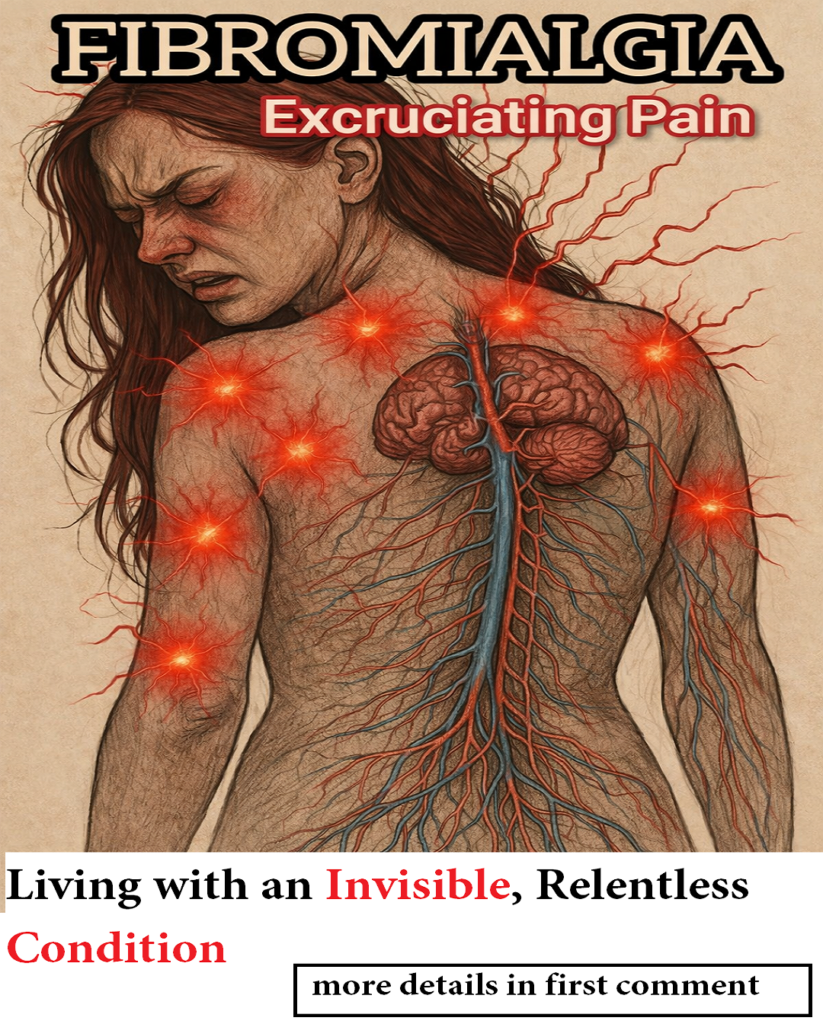
Fibromyalgia is often described as a condition of widespread pain, aching muscles, and overwhelming fatigue. But for many people living with fibromyalgia, the symptoms extend far beyond joints and muscles. One of the most misunderstood and overlooked aspects of this condition is how deeply it can affect the eyes and vision.
People with fibromyalgia frequently report eye pain, light sensitivity, blurred vision, pressure behind the eyes, difficulty focusing, and visual fatigue—symptoms that are often dismissed or misattributed to stress, aging, or screen overuse. In reality, these visual problems are closely connected to how fibromyalgia alters the nervous system and the brain’s processing of sensory information.
This article explores why fibromyalgia affects the eyes, how neurological sensitivity plays a central role, and why visual symptoms are real, complex, and deserving of recognition.
Understanding Fibromyalgia as a Neurological Condition
Fibromyalgia is no longer viewed solely as a musculoskeletal disorder. Modern research increasingly classifies it as a central nervous system condition, meaning the core issue lies in how the brain and spinal cord process sensory signals.
In people with fibromyalgia, the brain amplifies signals that would normally be filtered or dampened. Pain, pressure, sound, light, and even visual input can feel overwhelming. This phenomenon is known as central sensitization, and it explains why fibromyalgia symptoms often involve multiple body systems, including vision.
The eyes are not isolated organs. They are directly connected to the brain through complex neural pathways. When the brain becomes hypersensitive, visual signals can be interpreted as intense, uncomfortable, or even painful. This is why eye-related symptoms are so common, yet so poorly understood, in fibromyalgia.
Photosensitivity in Fibromyalgia: When Light Becomes Aggressive
One of the most frequently reported visual symptoms in fibromyalgia is photosensitivity, also called light sensitivity.
People with fibromyalgia often find that:
-
Bright sunlight feels unbearable
-
Indoor fluorescent lighting causes discomfort
-
Phone, laptop, and TV screens lead to eye pain or burning
-
High-contrast or intense brightness triggers headaches or migraines
This happens because the fibromyalgia brain struggles to regulate sensory input. Light that would be tolerable for others is perceived as harsh or aggressive.
Common Eye Symptoms Linked to Photosensitivity
-
Burning or stinging sensation in the eyes
-
Pain behind or around the eyes
-
Excessive tearing
-
Feeling of heaviness or pressure
-
Blurred or fluctuating vision
-
Worsening migraines or visual aura
This sensitivity is neurological, not psychological. The optic nerves and visual cortex become overstimulated, leading to discomfort that cannot simply be “pushed through.”
Eye Muscle Tension and Visual Fatigue
Fibromyalgia is strongly associated with chronic muscle tension, and this tension doesn’t stop at the neck, shoulders, or back. The muscles around the eyes, forehead, scalp, and jaw are often involved as well.
When these muscles remain tight for long periods:
-
Blood flow can be restricted
-
Eye movement becomes strained
-
Pressure builds around the eye sockets
This leads to visual fatigue, especially during tasks that require sustained focus such as:
-
Reading
-
Working on a computer
-
Using a smartphone
-
Driving for long periods
Signs of Eye Muscle Strain in Fibromyalgia
-
Aching eyes after short periods of reading
-
Pressure behind the eyes or forehead
-
Difficulty keeping eyes open
-
Headaches starting around the eyes
-
Sensation that the eyes are “working too hard”
Because fibromyalgia involves constant low-level muscle contraction, the visual system rarely gets a chance to fully relax.
The Role of Poor Sleep in Visual Symptoms
Sleep disturbances are one of the hallmark symptoms of fibromyalgia. Many people experience non-restorative sleep, meaning they may sleep for hours but still wake up feeling exhausted.
Sleep is essential for the recovery of the nervous system, including the visual system. During deep sleep:
-
Eye tissues repair themselves
-
Tear production is regulated
-
Neural pathways reset sensory thresholds
In fibromyalgia, this process is disrupted.
How Poor Sleep Affects the Eyes
-
Increased dryness and irritation
-
Heightened light sensitivity during the day
-
Difficulty focusing or maintaining clear vision
-
Red, tired-looking eyes even after rest
Without proper recovery, the eyes remain in a state of irritation and hypersensitivity, compounding other fibromyalgia symptoms.
Neurochemical Imbalances and Visual Processing
Fibromyalgia is linked to imbalances in key neurotransmitters such as serotonin and dopamine. These chemicals play a vital role not only in mood and pain regulation but also in how the brain processes visual information.
When these neurochemicals are dysregulated:
-
Visual signals may be delayed or distorted
-
Focus becomes harder to maintain
-
Depth perception may feel “off”
-
Visual clarity can fluctuate throughout the day
Many people with fibromyalgia describe moments where their vision feels foggy, unfocused, or disconnected, even when eye exams show no structural damage.
This disconnect reinforces the idea that fibromyalgia-related eye problems are neurological rather than optical.
Visual Overload During Fibromyalgia Flares
During fibromyalgia flares or “crises,” symptoms intensify across the nervous system. The brain becomes overloaded and struggles to integrate sensory information effectively.
At these times, people may experience:
-
Extreme sensitivity to light
-
Difficulty reading or following text
-
Visual dizziness or disorientation
-
A sensation that the eyes can’t keep up with thinking
-
Trouble coordinating eye movement and attention
This explains why many individuals feel mentally and visually overwhelmed during flares, even without increased physical activity.
Why Fibromyalgia Eye Symptoms Are Often Misdiagnosed
Because standard eye exams often appear normal, fibromyalgia-related visual symptoms are frequently dismissed. Patients may be told:
-
“Your eyes are fine”
-
“It’s just stress”
-
“Reduce screen time”
While these suggestions may help slightly, they fail to address the root cause: a hypersensitive nervous system.
Fibromyalgia eye pain is real, neurological, and invisible. The lack of visible damage does not mean the absence of suffering.
Living With Fibromyalgia and Vision Sensitivity
Managing eye symptoms in fibromyalgia often requires a combination of lifestyle adjustments and symptom awareness rather than a single medical fix.
Helpful strategies may include:
-
Using blue-light filters on screens
-
Wearing sunglasses indoors when needed
-
Taking frequent visual breaks
-
Reducing screen brightness and contrast
-
Managing neck and jaw tension
-
Prioritizing sleep quality
Most importantly, acknowledging that these symptoms are valid can reduce emotional distress and self-doubt.
It’s Not Just “Poor Vision”
Fibromyalgia-related eye problems are not caused by weak eyesight or aging alone. They are part of a larger picture involving the brain, nerves, muscles, and sensory processing.
The eyes suffer because they are connected to a nervous system that feels everything too intensely.
Visual pain in fibromyalgia is:
-
Neurological
-
Real
-
Complex
-
Often invisible to others
Yet it has a profound impact on daily functioning, concentration, work, and quality of life.
Final Thoughts: Recognizing an Invisible Symptom
Fibromyalgia affects far more than muscles and joints. When the brain becomes hypersensitive, every sensory system—including vision—can be pushed beyond its limits.
Understanding the neurological connection between fibromyalgia and eye symptoms helps validate the experiences of millions who struggle daily with discomfort that cannot be easily seen or measured.
Acknowledging these symptoms is the first step toward better care, deeper compassion, and improved quality of life for those living with fibromyalgia.