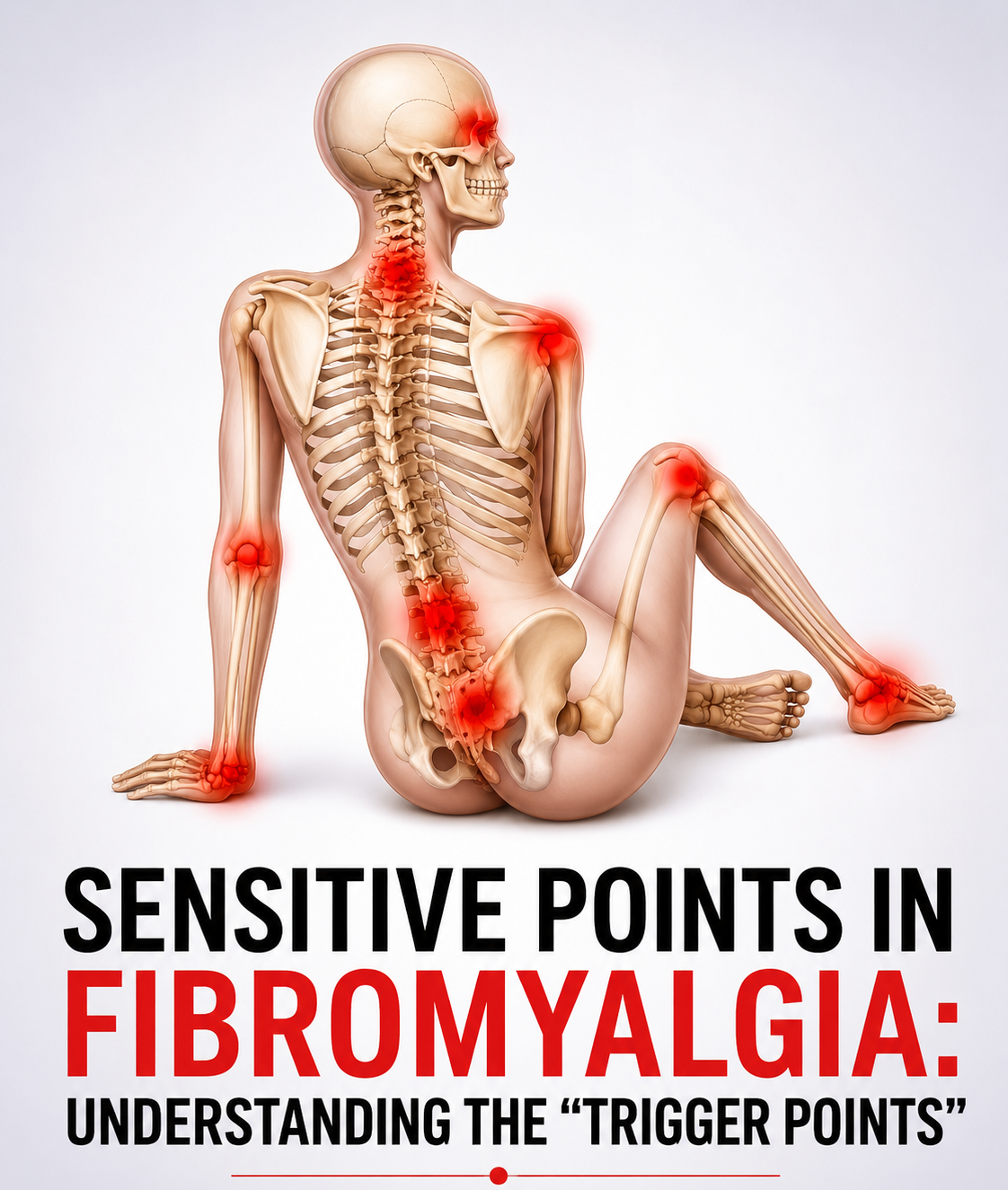
Fibromyalgia is often described as an “invisible illness,” not because its symptoms are mild, but because the discomfort it brings can’t be easily seen from the outside. Unlike a broken arm in a cast or a swollen ankle, the pain of fibromyalgia hides beneath the surface. That invisibility often leads to misunderstandings, doubt, and emotional exhaustion for the people who live with it every day. But what if fibromyalgia was visible?What if the pain, the fatigue, and the internal changes appeared in ways that others could see and understand? This…
Read MoreCategory: Fibromyalgia
FIBROMYALGIA PATIENTS SHOULD BE EVALUATED FOR POSTTRAUMATIC STRESS DISORDER (PTSD) HERE’S WHY
Fibromyalgia is often described as an “invisible illness,” yet for millions of people worldwide, its impact is painfully visible in daily life. Chronic widespread pain, unrelenting exhaustion, cognitive difficulties, and emotional distress shape every waking hour. What is less frequently discussed, however, is the strong connection between fibromyalgia and psychological trauma, particularly Post-Traumatic Stress Disorder (PTSD). Growing evidence suggests that fibromyalgia patients should be routinely evaluated for PTSD, not because the pain is “all in their head,” but because trauma and the nervous system are deeply interconnected. Understanding this link…
Read MoreFibromyalgia: The Sensation of Muscles “Burning” Under the Skin.
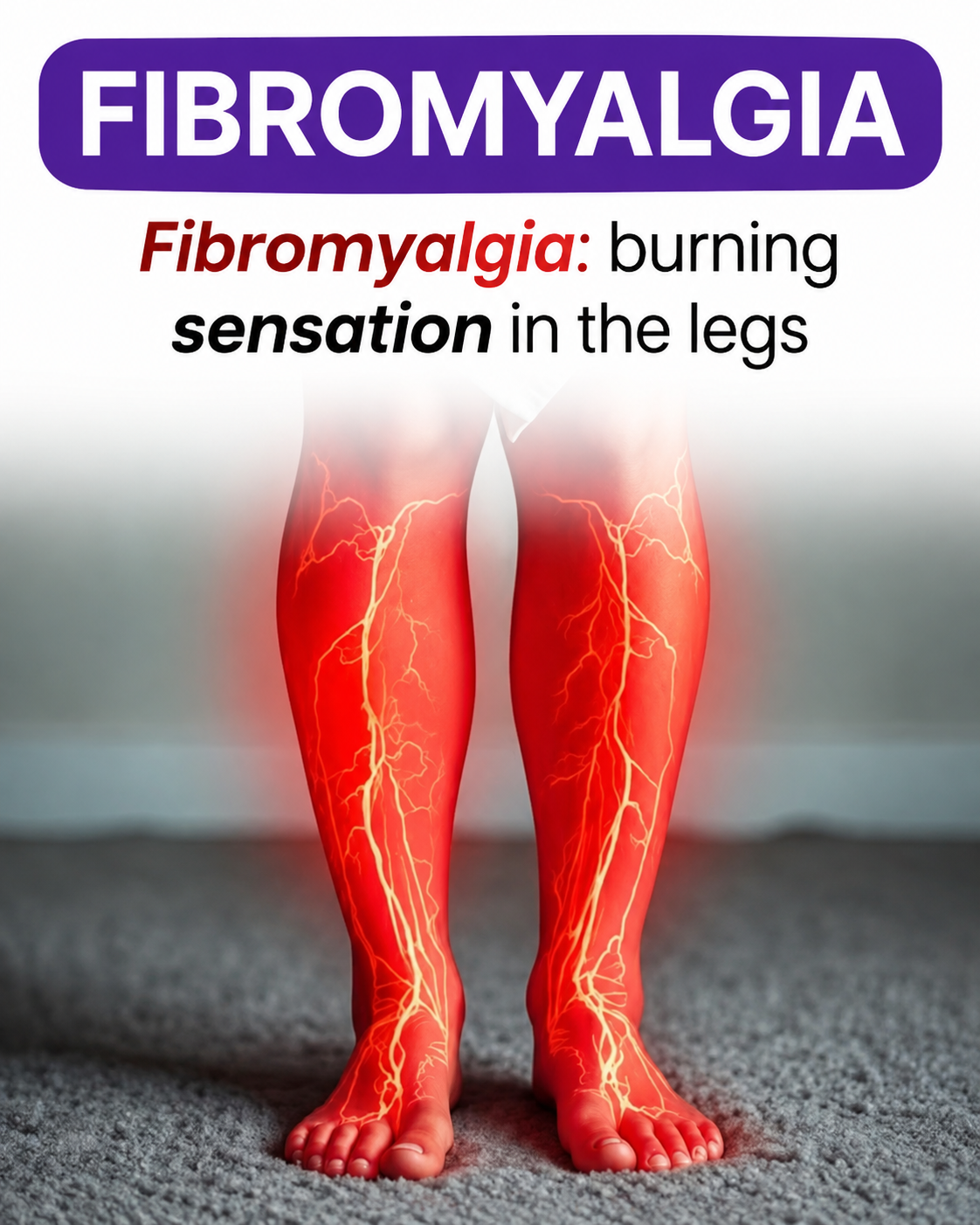
Many people living with fibromyalgia describe their pain in a strikingly similar way: “It feels like my muscles are burning inside.” “It’s like a deep burn beneath the skin.” “It’s not normal pain — it feels like I’m inflamed from the inside.” If you have ever tried to explain this sensation to someone, you know how difficult it can be. There are no visible wounds. Blood tests often come back normal. Scans rarely show clear damage. Yet the burning sensation is intense, persistent, and deeply real. This article explores why…
Read MoreLegs that Hurt Without Relief: Leg Pain in Fibromyalgia
Leg pain is one of the most common, limiting, and misunderstood symptoms of fibromyalgia. It’s not just about common muscle fatigue or pain: it’s a deep, persistent, and often excruciating pain that can appear when resting, worsen at night and commit to simple tasks like walking, standing or even lying down. This text explains why leg pain occurs, how it manifests itself, and why it should not be underestimated. What is the pain in the legs in fibromyalgia? Everyone may feel differently, but the most common stories include: Deep pain,…
Read MoreStepping on Your Own Suffering: The Foot Pain in Fibromyalgia
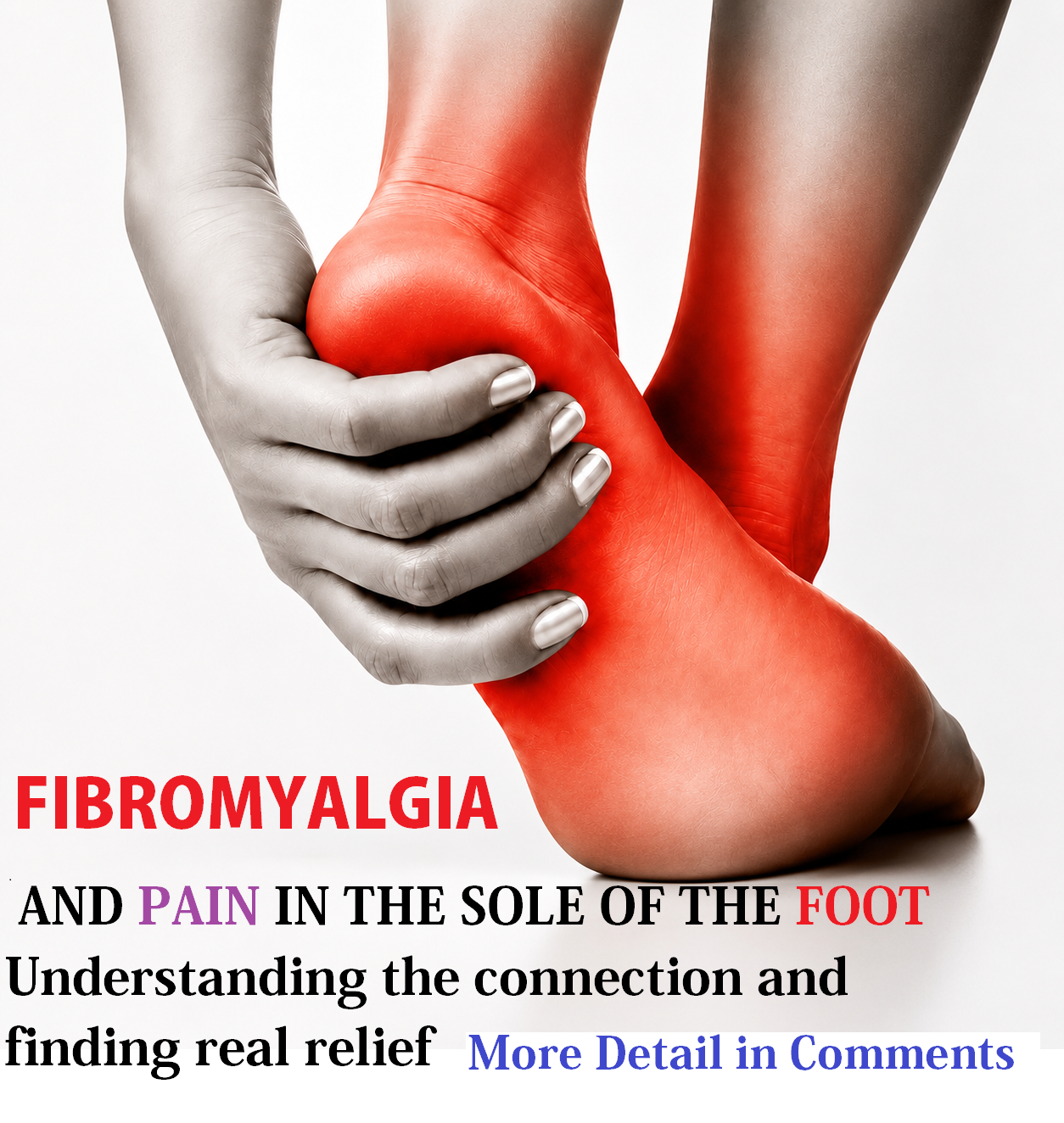
For many people living with Fibromyalgia, foot pain isn’t just an inconvenience — it’s a daily, silent, and deeply debilitating limitation. It feels like the ground hurts. That each step requires physical and emotional effort. While for some walking is automatic, for those living with fibromyalgia it can mean experiencing pain, kicks, pressure, burns or a diffusing pain that is hard to explain. And often without any visible sign of it. Why does fibromyalgia cause foot pain? Fibromyalgia is related to central sensitivity, a process in which the nervous system…
Read MoreFibromyalgia Thigh Pain: Why Leg Pain Can Be One of the Most Debilitating Symptoms
For many people living with fibromyalgia, pain is not evenly distributed across the body. While widespread pain is a defining feature of the condition, the legs—particularly the thighs—often become one of the most disabling and life-altering areas. The pain here is not just uncomfortable; it can be intense, persistent, and deeply exhausting, interfering with the most basic movements of daily life. Walking short distances, standing in one place, climbing stairs, or even sitting for too long can feel overwhelming. Many describe their thighs as feeling heavy, burning, stiff, weak, or…
Read MoreFibromyalgia and Dysphagia: Difficulty Swallowing
Difficulty swallowing, known as dysphagia, can occur in people with fibromyalgia and usually causes fear, insecurity and a sensation of suffocation. Often exams of the throat, esophagus and digestive system do not show structural changes explaining the symptom. In fibromyalgia, the main mechanism involved is nervous system dysfunction, particularly in how the brain coordinates and interprets sensory and motor signals. Swallowing is a complex process that depends on precise communication between muscles and nerves. When this communication is disregulated, a sense of difficulty may arise even without any real obstruction.…
Read MoreHeavy and Sore Legs: one of the most cruel symptoms of fibromyalgia
Heavy and Aching Legs in Fibromyalgia: Causes, Symptoms, and How to Cope For many people living with fibromyalgia, pain is not limited to one area of the body. One of the most distressing and misunderstood symptoms is the constant sensation of heavy, aching legs. This discomfort goes far beyond normal muscle tiredness after activity. It can appear suddenly, persist even at rest, and interfere with mobility, sleep, and daily life. People often describe this feeling as if their legs are weighed down, burning, stiff, or simply lacking strength. What makes…
Read MorePeople with fibromyalgia often feel pain in the shoulders, arms, or collarbone – see why
Fibromyalgia is a chronic condition characterized by diffuse musculoskeletal pain, which can affect various regions of the body simultaneously. Among the most commonly affected areas are the shoulders, arms and the collarbone region. This distribution of pain is not random and is related to specific mechanisms involved in the physiopathology of fibromyalgia. One of the main explanations is in central awareness. In fibromyalgia, the central nervous system amplifies pain signals, making the body more sensitive to mechanical, postural stimulus and even to the weight of the limbs. The shoulder and…
Read MoreThe Connection Between Fibromyalgia and Foot Pain
The Connection Between Fibromyalgia and Foot Pain Foot pain is a common, yet often overlooked, symptom of fibromyalgia. The pain can vary significantly from person to person, but for many, it feels as though the feet are “broken” or extremely heavy. This pain can also appear suddenly, making it challenging to go about daily activities such as walking, standing, or even resting. The primary cause of foot pain in fibromyalgia lies in the nervous system. Due to fibromyalgia’s impact on the nervous system, the brain misinterprets regular sensations as intense…
Read More