Fibromyalgia: Do You Feel Like You’re Carrying a Weight No One Sees?

There’s a kind of exhaustion that sleep doesn’t fix. A kind of pain that doesn’t show up on scans. And a kind of struggle that often goes unnoticed by everyone around you. For millions of people living with fibromyalgia, this invisible burden is part of everyday life. If you’ve ever felt like you’re carrying a weight no one else can see, you’re not alone. Fibromyalgia is more than just chronic pain—it’s a complex condition that affects the body, mind, and emotional well-being in ways that are difficult to explain to…

Read More

sleep with fibromyalgia is like lying on a bed of invisible thorns.

Trying to sleep with fibromyalgia often feels like lying on a bed of invisible thorns. The body is drained, desperate for rest, yet the pain refuses to loosen its grip. What should be the most natural and healing part of the day—sleep—turns into a nightly battle. For millions living with fibromyalgia, this struggle is not occasional; it is a constant reality that affects both physical health and emotional well-being. This article explores why fibromyalgia disrupts sleep so deeply, what that experience truly feels like, and practical ways to improve rest…

Read More

12 Worst Symptoms of Fibromyalgia: When the Body and Nervous System Live in Constant Alert

Fibromyalgia is a condition characterized by widespread chronic pain and a state of central sensitivity, in which the central nervous system becomes hyperreactive. That means that common stimulus can be perceived as painful or excessive. It’s not just about “body pain” Fibromyalgia can affect muscles, joints, skin, sleep, cognition, intestines, bladder and even sweat and temperature regulation. Below are the most intense and impactful symptoms reported by those living with the condition. 1. Pain that never quits Ain’t no pain that comes and goes It’s a constant pain, deep down,…

Read More

Fibromyalgia Foot Pain: Why Your Feet Hurt, Burn, Tingle, and Feel Unbearable

Fibromyalgia is not simply muscle pain—it involves dysfunction of the nervous system. Research increasingly shows that many fibromyalgia symptoms resemble neuropathic pain, a type of pain caused by abnormal nerve signaling rather than tissue damage. In fibromyalgia: Pain pathways are overactive Pain inhibition is reduced Sensory input is amplified The brain struggles to filter signals As a result, normal activities such as walking, standing, wearing shoes, or even resting feet on a surface can become painful. This explains why fibromyalgia foot pain often exists without visible injury and why standard…

Read More

Fibromyalgia and Eye Problems: The Overlooked Connection You Shouldn’t Ignore

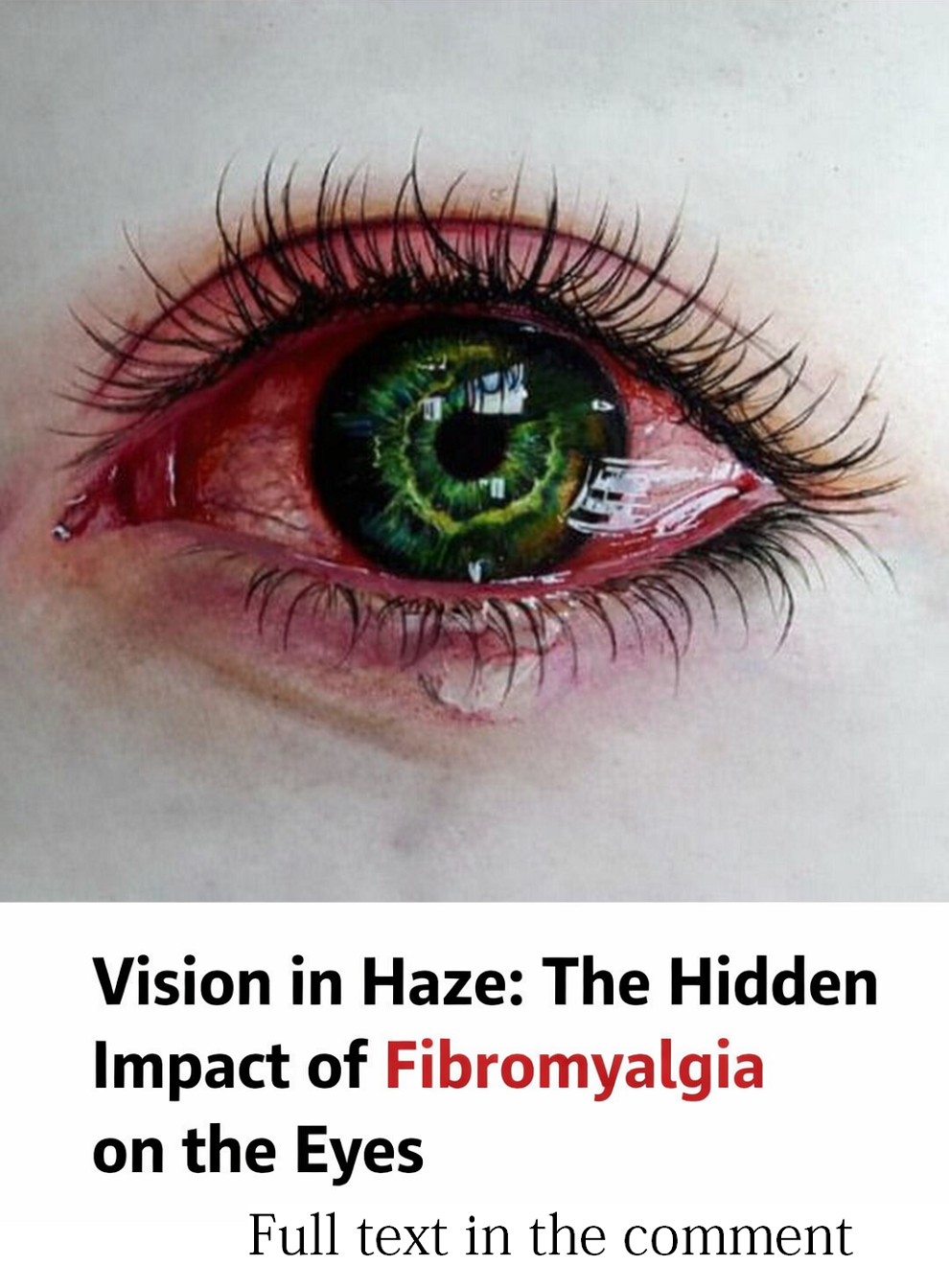
Fibromyalgia is widely recognized for causing widespread musculoskeletal pain, chronic fatigue, and cognitive difficulties. However, many people are surprised to learn that fibromyalgia and eye problems are closely linked. For a significant number of patients, eye discomfort becomes yet another invisible symptom that affects daily life, work productivity, and emotional well-being. Although fibromyalgia does not directly cause a specific eye disease, it deeply influences how the nervous system processes sensory information. This altered processing can affect vision clarity, light tolerance, eye lubrication, and focus, leading to persistent and often distressing…

Read More

Why Fibromyalgia Feels Like “Pain in the Bones” — Even When Bones Are Healthy

Many people living with fibromyalgia struggle to describe their pain. One of the most common phrases you will hear is, “It feels like my bones hurt.” The pain is deep, persistent, and difficult to pinpoint, leading many to believe that the problem lies within the bones themselves. However, fibromyalgia is not a bone disease. There is no bone damage, erosion, or degeneration involved. Instead, fibromyalgia is a disorder of the central nervous system, where the brain and spinal cord process pain signals in an altered and amplified way. Understanding why…

Read More

If fibromyalgia could be seen, it would look something like this…

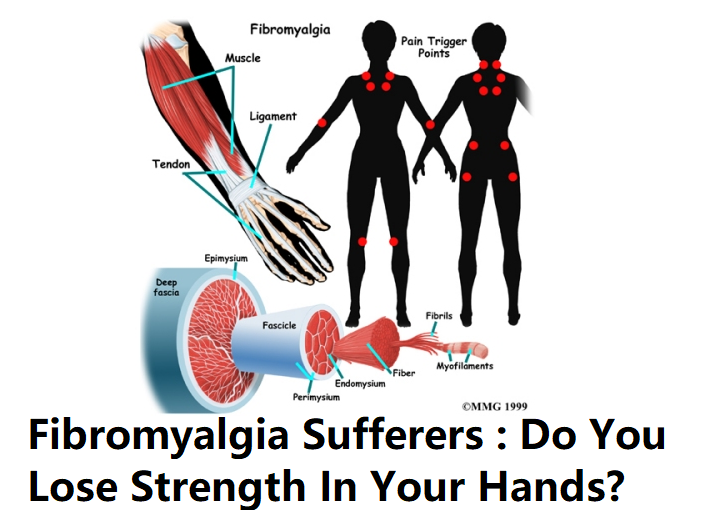
If Fibromyalgia Could Be Seen: A Full-Body Experience Imagine your body as a map of pain signals constantly lighting up. If fibromyalgia were visible, it wouldn’t just be one red spot—it would be everywhere. 1. Arms and Hands: Weakness and Burning Sensations Simple tasks like holding a phone, typing, or lifting groceries can feel exhausting. Many people describe: Burning or tingling sensations Sudden weakness Deep aching in muscles Even light touch can feel painful, a condition known as allodynia. 2. Teeth and Gums: Pain Without a Cause One of the…

Read More

Fibromyalgia and Dysphagia: Why Swallowing Feels Difficult

Difficulty swallowing, known as dysphagia, can occur in people with fibromyalgia and usually causes fear, insecurity and a sensation of suffocation. Often exams of the throat, esophagus and digestive system do not show structural changes explaining the symptom.In fibromyalgia, the main mechanism involved is nervous system dysfunction, particularly in how the brain coordinates and interprets sensory and motor signals. Swallowing is a complex process that depends on precise communication between muscles and nerves. When this communication is disregulated, a sense of difficulty may arise even without any real obstruction. In…

Read More

Fibromyalgia and intense pain in the legs: why does it happen?

Fibromyalgia is a chronic condition that goes far beyond “body pain”. She profoundly alters how the brain and nervous system process pain, causing common stimulus to be interpreted as intense suffering. Therefore, one of the most common and debilitating complaints is deep pain in the legs, especially in the thighs and calves. This pain doesn’t arise from inflammation or visible muscle injury. What happens is a mistake in the way the brain amplifies the painful signals, a phenomenon known as central awareness. In people with fibromyalgia, the nervous system remains…

Read More

I Slept All Night… So Why Am I Still Exhausted? The Truth About Fibromyalgia Fatigue

You went to bed early. You didn’t wake up much. You got a full eight hours of sleep—maybe even more. And yet, when morning comes, you feel like you haven’t rested at all. If this sounds familiar, you’re not alone. For many people living with fibromyalgia, this frustrating cycle is a daily reality. You sleep, but you don’t feel restored. You rest, but you remain exhausted. It can feel confusing, discouraging, and sometimes even isolating—especially when others assume sleep should fix everything. So what’s really going on? Let’s unpack the…

Read More