Fibromyalgia is often described as an “invisible illness,” yet for millions of people worldwide, its impact is painfully visible in daily life. Chronic widespread pain, unrelenting exhaustion, cognitive difficulties, and emotional distress shape every waking hour. What is less frequently discussed, however, is the strong connection between fibromyalgia and psychological trauma, particularly Post-Traumatic Stress Disorder (PTSD). Growing evidence suggests that fibromyalgia patients should be routinely evaluated for PTSD, not because the pain is “all in their head,” but because trauma and the nervous system are deeply interconnected. Understanding this link…
Read MoreAuthor: admin
Fibromyalgia: The Sensation of Muscles “Burning” Under the Skin.
Many people living with fibromyalgia describe their pain in a strikingly similar way: “It feels like my muscles are burning inside.” “It’s like a deep burn beneath the skin.” “It’s not normal pain — it feels like I’m inflamed from the inside.” If you have ever tried to explain this sensation to someone, you know how difficult it can be. There are no visible wounds. Blood tests often come back normal. Scans rarely show clear damage. Yet the burning sensation is intense, persistent, and deeply real. This article explores why…
Read MoreLegs that Hurt Without Relief: Leg Pain in Fibromyalgia
Leg pain is one of the most common, limiting, and misunderstood symptoms of fibromyalgia. It’s not just about common muscle fatigue or pain: it’s a deep, persistent, and often excruciating pain that can appear when resting, worsen at night and commit to simple tasks like walking, standing or even lying down. This text explains why leg pain occurs, how it manifests itself, and why it should not be underestimated. What is the pain in the legs in fibromyalgia? Everyone may feel differently, but the most common stories include: Deep pain,…
Read More12 Worst Symptoms of Fibromyalgia: When the Body and Nervous System Live in Constant Alert
Fibromyalgia is a condition characterized by widespread chronic pain and a state of central sensitivity, in which the central nervous system becomes hyperreactive. That means that common stimulus can be perceived as painful or excessive. It’s not just about “body pain” Fibromyalgia can affect muscles, joints, skin, sleep, cognition, intestines, bladder and even sweat and temperature regulation. Below are the most intense and impactful symptoms reported by those living with the condition. 1. Pain that never quits Ain’t no pain that comes and goes It’s a constant pain, deep down,…
Read MoreStepping on Your Own Suffering: The Foot Pain in Fibromyalgia
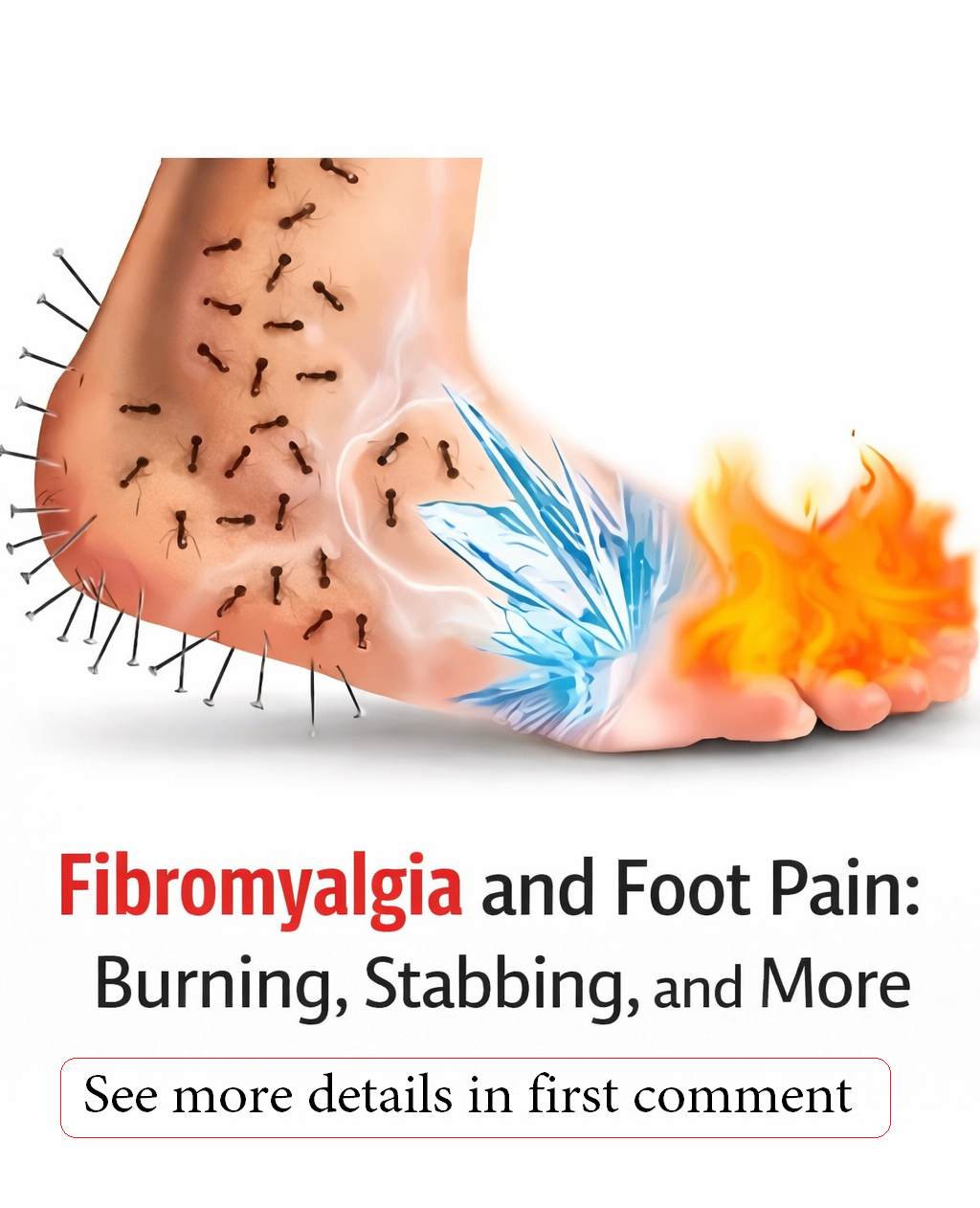
For many people living with Fibromyalgia, foot pain isn’t just an inconvenience — it’s a daily, silent, and deeply debilitating limitation. It feels like the ground hurts. That each step requires physical and emotional effort. While for some walking is automatic, for those living with fibromyalgia it can mean experiencing pain, kicks, pressure, burns or a diffusing pain that is hard to explain. And often without any visible sign of it. Why does fibromyalgia cause foot pain? Fibromyalgia is related to central sensitivity, a process in which the nervous system…
Read MoreFibromyalgia Foot Pain: Why Your Feet Hurt, Burn, Tingle, and Feel Unbearable
Fibromyalgia is not simply muscle pain—it involves dysfunction of the nervous system. Research increasingly shows that many fibromyalgia symptoms resemble neuropathic pain, a type of pain caused by abnormal nerve signaling rather than tissue damage. In fibromyalgia: Pain pathways are overactive Pain inhibition is reduced Sensory input is amplified The brain struggles to filter signals As a result, normal activities such as walking, standing, wearing shoes, or even resting feet on a surface can become painful. This explains why fibromyalgia foot pain often exists without visible injury and why standard…
Read MoreFibromyalgia and Eye Problems: The Overlooked Connection You Shouldn’t Ignore
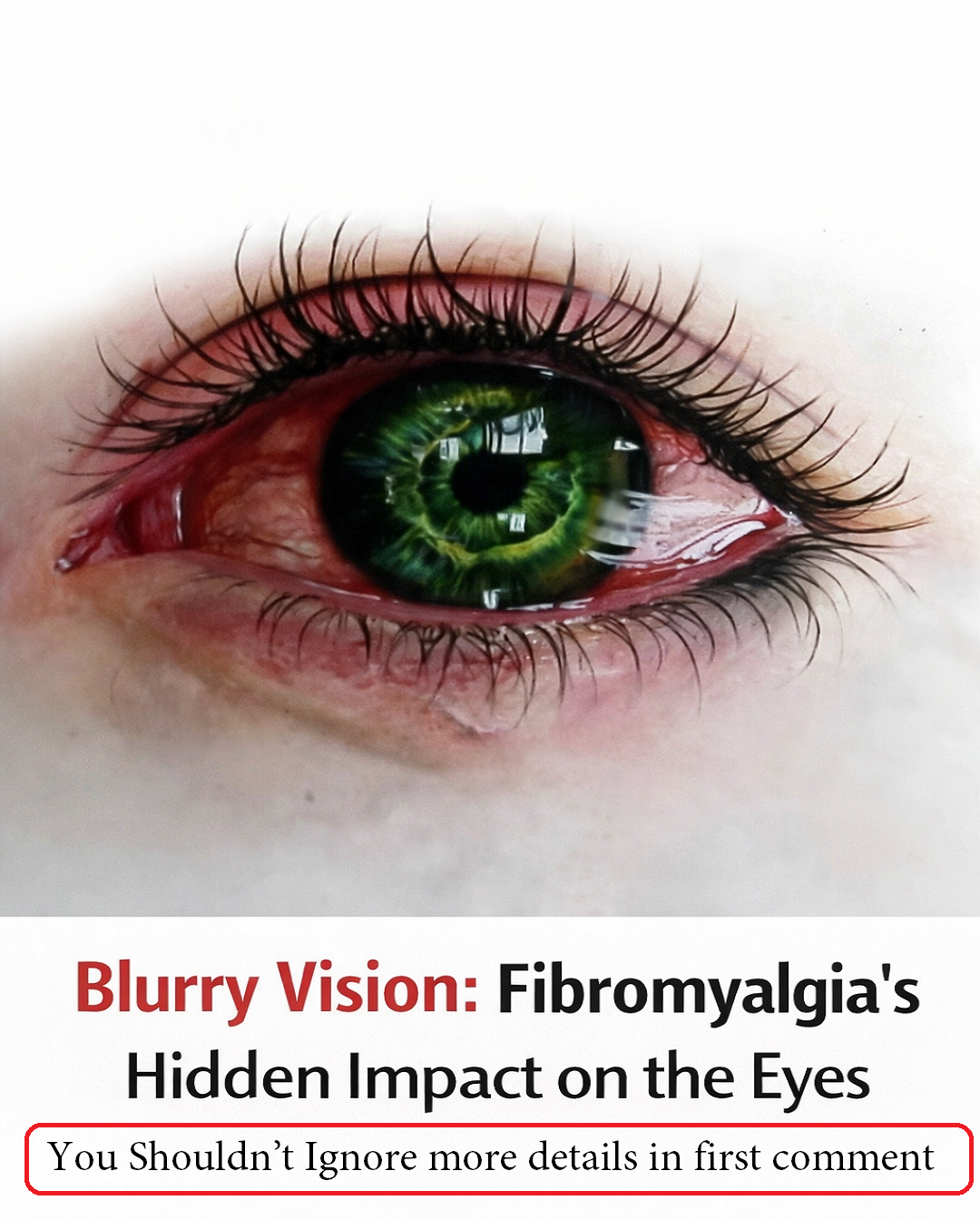
Fibromyalgia is widely recognized for causing widespread musculoskeletal pain, chronic fatigue, and cognitive difficulties. However, many people are surprised to learn that fibromyalgia and eye problems are closely linked. For a significant number of patients, eye discomfort becomes yet another invisible symptom that affects daily life, work productivity, and emotional well-being. Although fibromyalgia does not directly cause a specific eye disease, it deeply influences how the nervous system processes sensory information. This altered processing can affect vision clarity, light tolerance, eye lubrication, and focus, leading to persistent and often distressing…
Read MoreLeg Pain in Fibromyalgia: Causes, Symptoms, and Ways to Find Relief
Fibromyalgia is a chronic condition known for widespread pain, fatigue, and heightened sensitivity throughout the body. Among its many symptoms, leg pain in fibromyalgia is one of the most distressing and limiting. For many individuals, leg discomfort is not just occasional soreness — it can be deep, burning, heavy, and persistent, making everyday movement a struggle. Understanding the nature of fibromyalgia leg pain, its causes, and practical ways to manage it can significantly improve quality of life. This article explores everything you need to know about fibromyalgia leg pain, muscle…
Read MoreTrochanteric Bursitis and Fibromyalgia: Understanding the Link Behind Chronic Hip Pain
Hip pain can be frustrating, exhausting, and life-altering—especially when it becomes chronic. Two conditions frequently associated with persistent hip discomfort are trochanteric bursitis and fibromyalgia. While each can exist independently, many individuals experience both simultaneously, resulting in intensified pain, disturbed sleep, and reduced quality of life. Understanding how these conditions interact is essential for proper management and relief. In this article, we explore the relationship between trochanteric bursitis and fibromyalgia, common symptoms, causes, diagnosis, and effective treatment strategies to help you regain control over your daily life. What Is Trochanteric…
Read More10 triggers that can worsen fibromyalgia pain
Living with fibromyalgia means facing a body that seems to be in a constant state of alert every day. Small stimuli, which for most people would be mere annoyances, can turn into waves of pain, intense fatigue, and increased sensitivity. This happens because fibromyalgia is linked to an altered functioning of the central nervous system, which amplifies pain signals. Not everyone with fibromyalgia experiences the same triggers, but there are very common factors that often worsen the pain and make daily life difficult. Knowing these triggers is essential to better…
Read More