1. Diffuse musculoskeletal pain (widespread pain) Is the central symptom of Fibromyalgia. Pain spreads across multiple regions of the body at once, and can be described as burning, weight, prickling or deep, persistent pain with no apparent injury. 2. Palpation pain points (tender points) These are specific areas of the body that are extremely sensitive to touch or light pressure. Even gentle stimulation can cause intense pain, due to the amplification of pain by the nervous system. 3. Migraine Frequent outbreaks of intense headaches, usually pulsating, that can be accompanied…
Read MoreAuthor: admin
20 Strange Symptoms of Fibromyalgia We Don’t Talk About
1. Pain that changes places The pain can occur in different regions of the body throughout the day or overnight, with no fixed pattern. It could be on the shoulders today, legs tomorrow or back, making it difficult to identify a specific focus. 2. The burning sensation on the skin Some people report burning or heat on their skin, even without redness, injury or visible change. The sensation can occur in isolated areas or spread throughout the body. 3. Sudden shock or kicks Sensations similar to small electrical shocks, snapping…
Read MoreMedical Cannabis Helps Relieve Fibromyalgia Symptoms ?
By Pat Anson Medical cannabis products help relieve pain and anxiety caused by fibromyalgia, and improve sleep and quality of life, according to a new study of patients enrolled in the UK’s Medical Cannabis Registry. Fibromyalgia is a poorly understood and difficult-to-treat condition that causes widespread body pain, fatigue, insomnia, mood disorders and brain fog. The UK study of nearly 500 fibromyalgia patients found the greatest improvement in symptoms when participants took higher doses of cannabidiol (CBD) daily over an 18-month period. Higher CBD doses were associated with better outcomes…
Read More4 Ways to Manage Stress with Fibromyalgia
Living with fibromyalgia is not just about dealing with physical pain. Many people with this chronic condition also struggle with emotional stress, anxiety, and mental fatigue. Stress can worsen fibromyalgia symptoms, trigger flare-ups, and make daily life more difficult. Because of this, learning how to manage stress is one of the most important parts of living well with fibromyalgia. Research and patient experiences consistently show that reducing stress can improve sleep, lower pain levels, and help people regain a sense of control over their health. While stress cannot be eliminated…
Read MoreFibromyalgia Foot Pain: Why Your Feet Hurt, Symptoms, and Effective Relief Strategies
Living with Fibromyalgia often means dealing with symptoms that people around you cannot see. One of the most frustrating and misunderstood symptoms is persistent foot pain. Many individuals living with fibromyalgia wake up every day with aching, burning, or heavy feet without realizing that the condition itself may be the cause. Foot pain in fibromyalgia is surprisingly common, yet it is rarely discussed compared to other symptoms like fatigue or widespread body pain. For some people, the discomfort is mild and occasional. For others, it can become so severe that…
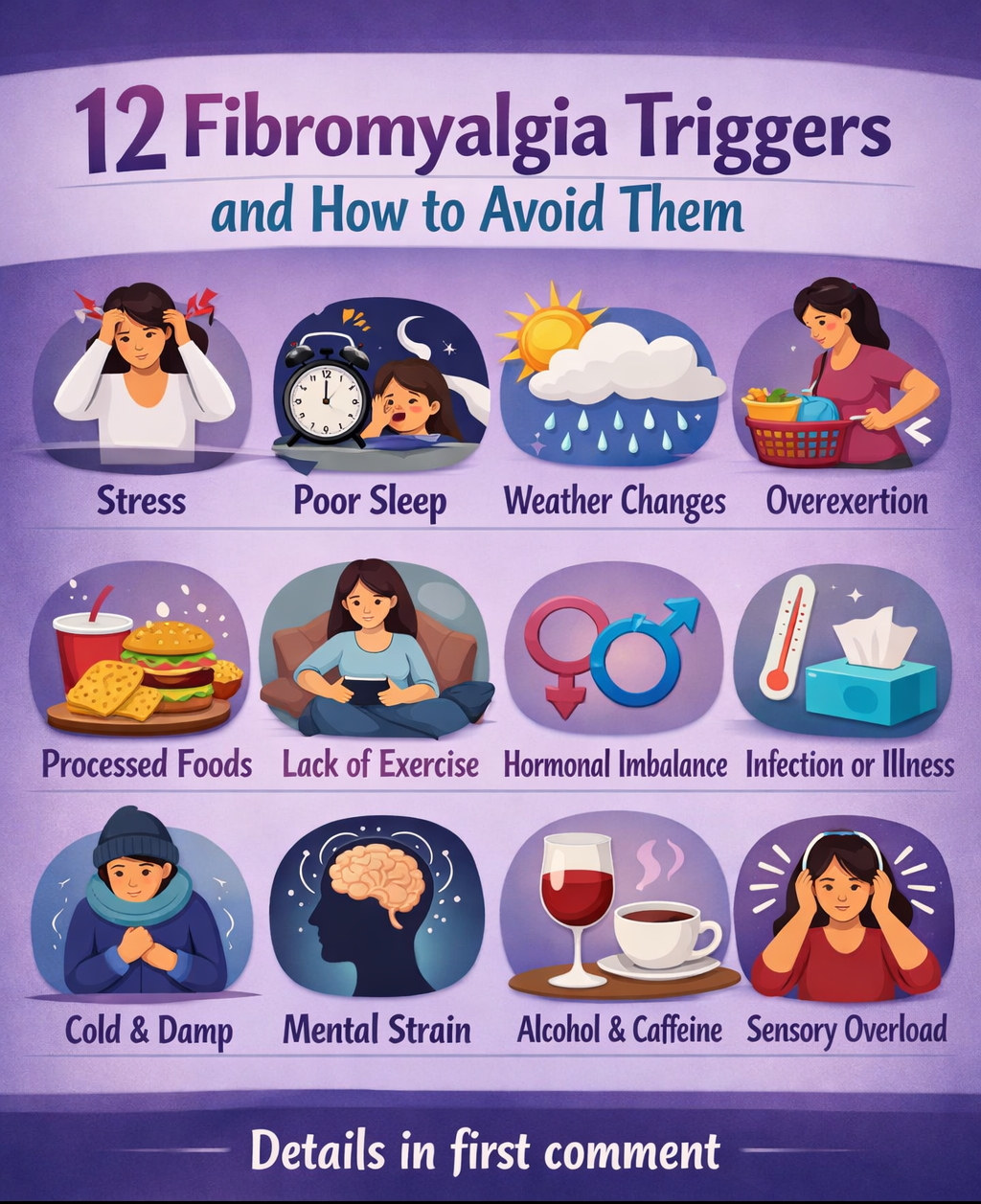
Read More12 Fibromyalgia Triggers and How to Avoid Them
Fibromyalgia is a chronic condition that affects millions of people worldwide. It is commonly associated with widespread pain, fatigue, sleep disturbances, and cognitive difficulties often referred to as “fibro fog.” While the exact cause of fibromyalgia is still not fully understood, researchers agree that certain fibromyalgia triggers can worsen symptoms or cause flare-ups. Understanding these triggers is one of the most effective ways to manage the condition and improve quality of life. By identifying what aggravates your symptoms and learning how to avoid them, people living with fibromyalgia can significantly…
Read More🧠 Scientists Can Now “See” Fibromyalgia Pain in the Brain
One of the latest breakthrough discoveries in fibromyalgia research (2026) is that scientists may finally be able to detect fibromyalgia pain using brain scans. This discovery could change how doctors diagnose and understand the condition. 🔬 What Did Researchers Discover? Researchers used a special brain-scanning technology called Functional Magnetic Resonance Imaging (fMRI) to study people living with Fibromyalgia. They found that: Specific patterns in the brain change when fibromyalgia pain increases or decreases. These patterns allow scientists to track pain levels in real time. Each patient has unique brain signals…
Read MoreIn comparing real-world costs and benefits of fibromyalgia medications, a clear winner emerges
Fibromyalgia is a long-term chronic condition that causes widespread pain in the muscles and soft tissues throughout the body. The illness can affect people of all ages and has a major impact on quality of life, often making even simple, everyday activities difficult. With an estimated 2–8% of the global population affected, the search for treatments that are both effective and affordable could be a game changer for how symptoms are managed for millions of people who live with the condition. In a recent study published in JAMA Network Open, researchers compared amitriptyline, an off-label…
Read MoreFirst Patient Dose in Phase 3 Trial of AXS-14 for Treatment of Fibromyalgia
Key Takeaways The FORWARD trial is a phase 3, double-blind, placebo-controlled study for fibromyalgia, focusing on time to loss of therapeutic response. AXS-14 is a selective norepinephrine reuptake inhibitor, showing efficacy in improving fibromyalgia symptoms like pain, function, and fatigue. The FDA’s Refusal to File letter highlighted inadequacies in previous trials, prompting Axsome to incorporate feedback in new trials. Fibromyalgia affects 17 million Americans, primarily women, with significant impacts on quality of life and limited treatment options. Axsome Therapeutics begins a pivotal trial for AXS-14, aiming to improve fibromyalgia management…
Read MoreTinnitus: The Sound Torture of Fibromyalgia
Humming is a silent symptom for the outside observers, but extremely disturbing for those living with it. In people with fibromyalgia, that constant sound — which may sound like a whistle, squeal, bell, horn or electric noise — turns into a real sonic torture. It does not come from the external environment, but it arises inside the nervous system itself, which is already in a state of hypersensitivity. In fibromyalgia, the brain has trouble filtering sensory stimulus. Common sounds are perceived amplified, and internal body signals are interpreted as constant…
Read More