





Why Heat Makes Fibromyalgia Worse: Understanding Temperature Sensitivity and Pain Flares

For many people living with fibromyalgia, summer is not a season of relief. While warmth is often associated with comfort and relaxation, intense heat can do the opposite for those with this chronic pain condition. Instead of easing muscles, high temperatures frequently worsen pain, fatigue, cognitive symptoms, and overall discomfort. This reaction is not imagined, exaggerated, or psychological. It is rooted in the way fibromyalgia affects the nervous system and how the body processes sensory information—including temperature. Understanding why heat can be a trigger is an important step toward managing…

Read More

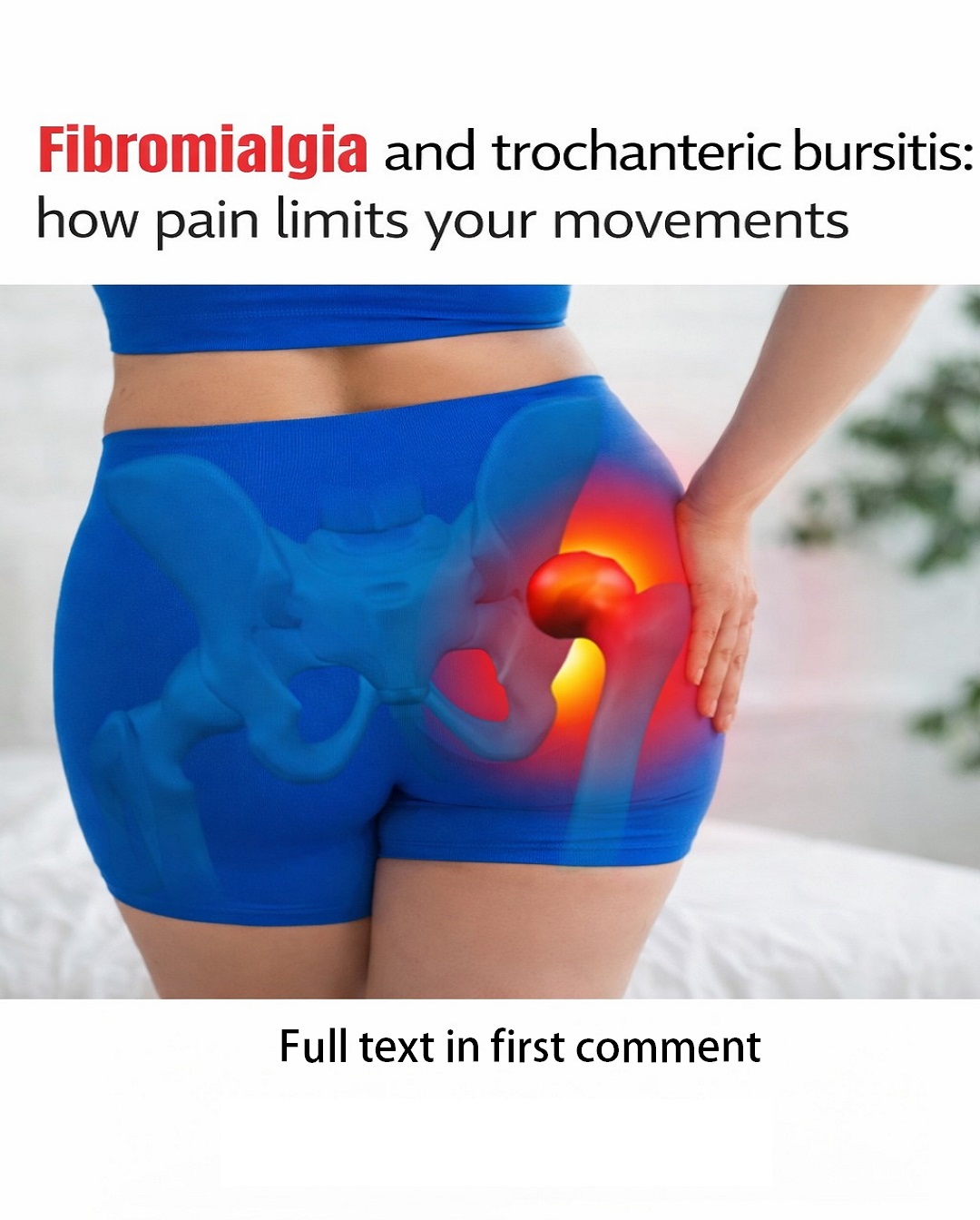
Trochanteric Bursitis in Fibromyalgia: Why Hip Pain Becomes Severe and How to Manage It

Understanding Trochanteric Bursitis Trochanteric bursitis refers to inflammation of a small fluid-filled sac called a bursa, located on the outer side of the hip near the greater trochanter of the femur. The bursa acts like a cushion or shock absorber between muscles, tendons, and bones. Its main role is to reduce friction when the hip moves. Under normal circumstances, this structure works silently in the background. However, when the bursa becomes inflamed due to overuse, pressure, injury, or biomechanical stress, it can cause noticeable discomfort. People with trochanteric bursitis typically…

Read More

Foods That Trigger Fibromyalgia Flare-Ups: What to Avoid and Why

Introduction Living with fibromyalgia can feel like navigating a maze. One day symptoms seem manageable, while the next day pain, fatigue, brain fog, and sleep problems suddenly intensify. These periods of worsening symptoms are commonly known as fibromyalgia flare-ups. While stress, poor sleep, weather changes, and physical exertion are well-known triggers, many people wonder whether their diet could also be playing a role. Although there is no single fibromyalgia diet that works for everyone, research and patient experiences suggest that certain foods may contribute to inflammation, digestive issues, energy crashes,…

Read More

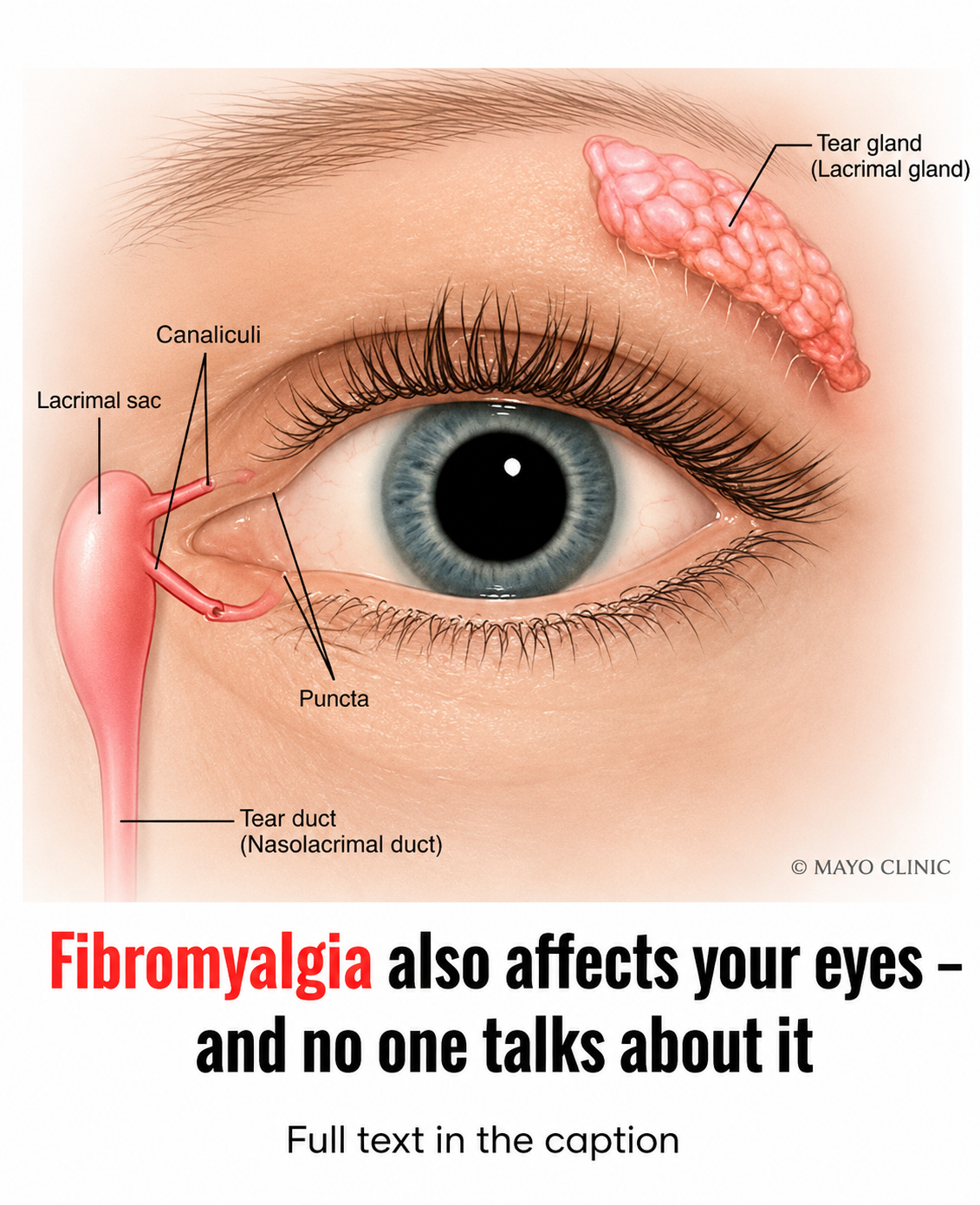
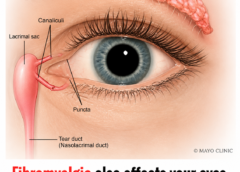
Fibromyalgia and Eye Problems: Understanding Dry Eyes, Blurred Vision, Light Sensitivity, and Other Overlooked Symptoms

The Hidden Connection Between Fibromyalgia and Eye Health   When people think about fibromyalgia, they usually picture widespread pain, chronic fatigue, tender points, and sleepless nights. While these symptoms are among the most recognized features of the condition, fibromyalgia can affect much more than muscles and joints. One lesser-known area impacted by this chronic disorder is eye health. Many individuals living with fibromyalgia experience eye discomfort that ranges from mild irritation to symptoms severe enough to interfere with daily life. Burning sensations, dry eyes, blurry vision, light sensitivity, and eye…

Read More

Don’t tell someone who has chronic pain to exercise because this is what it feels like when they do.

It’s a phrase that people living with chronic pain hear all the time. Friends say it. Family members say it. Doctors sometimes say it. Even strangers on the internet seem convinced that a brisk walk, a gym membership, or a morning workout is the answer. The advice is usually well-intentioned. But for someone living with chronic pain, fibromyalgia, chronic fatigue syndrome, arthritis, or other invisible illnesses, exercise isn’t always the simple solution people imagine. Many healthy individuals associate exercise with feeling energized, stronger, and healthier afterward. For those with chronic…

Read More

How Common Is Clavicle or Shoulder Pain in Fibromyalgia?

Living with fibromyalgia often means waking up each day unsure of where pain might appear next. For some people, it’s the legs or lower back. For others, it’s the neck, jaw, or hips. Yet one area that is frequently mentioned—but not always fully discussed—is clavicle and shoulder pain. Many people with fibromyalgia quietly struggle with discomfort around the collarbone and shoulders, wondering if it is truly related to their condition or if something else is going on. So how common is clavicle or shoulder pain in fibromyalgia? The short answer…

Read More

“We Are Not Lazy” — How Bella Hadid’s Words on Chronic Pain Are Changing the Conversation Forever

There are moments in public life when a single sentence does the work of a thousand medical papers. When someone with a platform large enough to reach millions speaks truth so cleanly that people who have been carrying that truth quietly for years suddenly feel seen — not just understood, but witnessed. Bella Hadid’s words did that. “We are not lazy. Chronic pain steals our energy and makes us disabled.” Seven words of context. One devastating truth. And for the tens of millions of people living with fibromyalgia, Lyme disease,…

Read More

PEOPLE THINK FIBROMYALGIA IS NOT PROGRESSIVE – BUT HERE’S THE TRUTH

Fibromyalgia is often described as a chronic pain condition, but one of the biggest misconceptions surrounding it is the belief that it “does not progress.” Many people hear doctors say, “Fibromyalgia is not a progressive disease,” and assume that means symptoms stay the same forever. But anyone living with fibromyalgia knows the reality is much more complex. The truth is, while fibromyalgia does not cause physical damage to joints, muscles, or organs in the way conditions like arthritis do, the symptoms can absolutely worsen over time. Pain can spread. Fatigue…

Read More

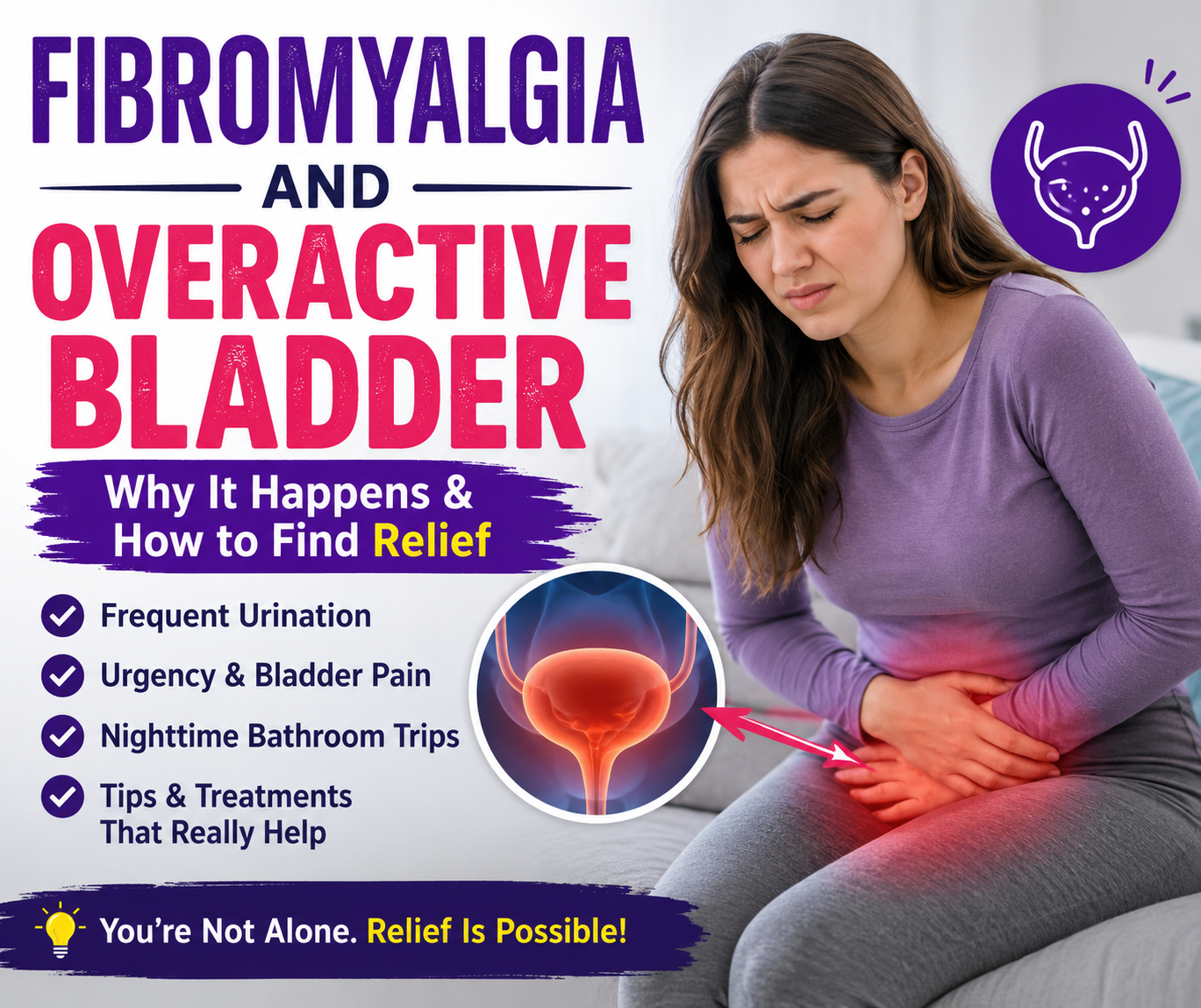
Fibromyalgia, Pelvic Pain, and the Bladder: What No One Is Connecting for You

Pelvic pain in fibromyalgia is one of the most isolating symptoms a person can experience. It sits in a part of the body that most people do not discuss openly. It is confused with gynecological problems, bowel issues, or bladder infections. And because it is internal and often chronic rather than episodic, it frequently gets normalized — treated as background noise rather than a legitimate, treatable symptom that has a specific physiological cause. If you are living with fibromyalgia and experiencing persistent pelvic discomfort, bladder pressure, lower abdominal pain that…

Read More

Fibromyalgia Getting Worse? 10 Warning Signs Your Symptoms Are Escalating (And What to Do Next)

Fibromyalgia is a chronic condition with a fluctuating course, but there are clear signs that indicate when the condition is worsening and ceasing to respond to usual management strategies. Recognizing these signs early is essential to avoid worsening flare-ups, functional loss, and physical and emotional overload. One of the main warning signs is a progressive increase in pain, both in intensity and duration. When pain ceases to be episodic and becomes constant, more intense, or resistant to measures that previously provided relief, this may indicate a more pronounced state of…

Read More