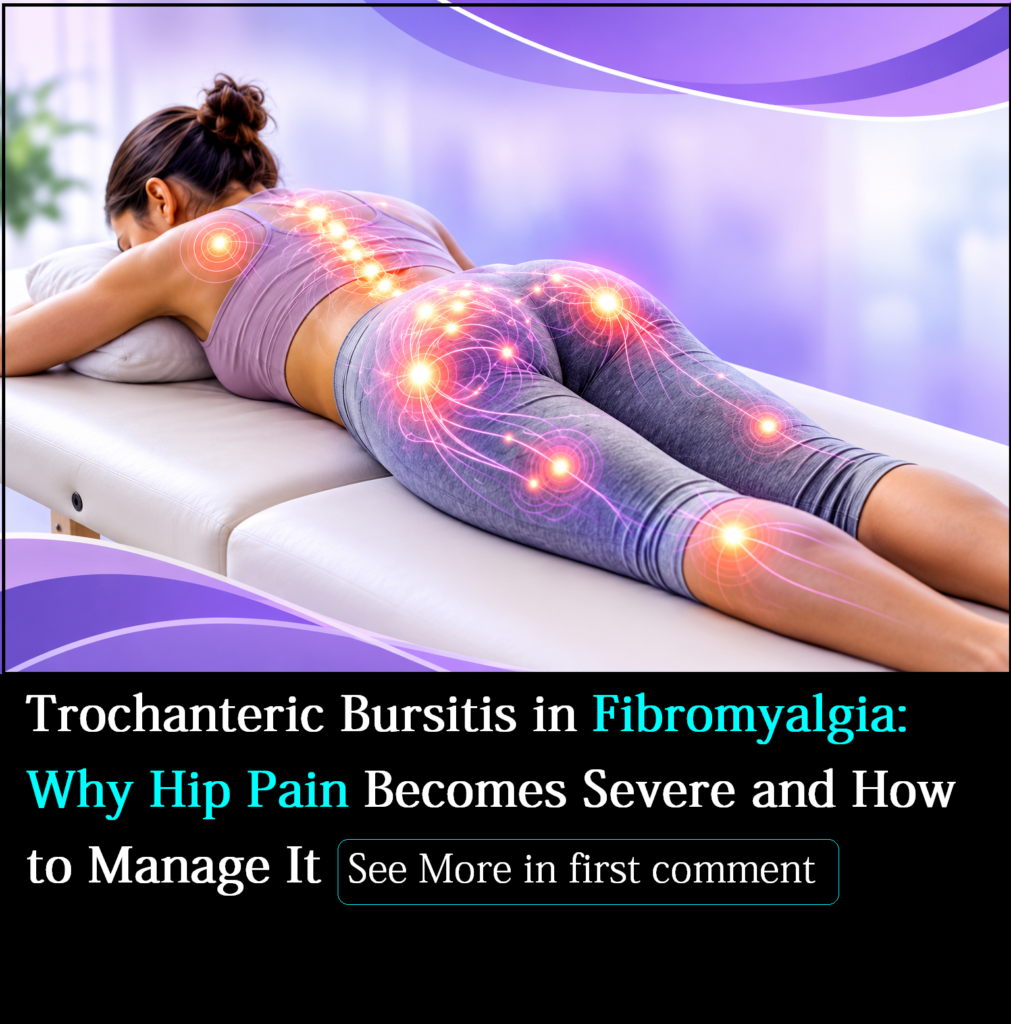
Fibromyalgia is more than just widespread body pain. For many people, sore arms, heavy shoulders, and constant fatigue become part of everyday life. This isn’t ordinary muscle tiredness after physical work. Instead, it is a deep, persistent pain that feels like carrying invisible weight all the time—even without exertion.
In this article, we explore fibromyalgia shoulder pain, arm weakness, chronic fatigue, nerve sensitivity, and pain amplification, helping you understand why the body feels heavy and what can be done to manage it.
What Is Fibromyalgia?
Fibromyalgia is a chronic pain disorder that affects how the brain and nervous system process pain signals. Instead of filtering pain normally, the nervous system becomes overactive, amplifying even mild sensations into significant discomfort.
Common Symptoms of Fibromyalgia
-
Widespread musculoskeletal pain
-
Heavy shoulders and sore arms
-
Chronic fatigue and weakness
-
Tender points sensitive to touch
-
Brain fog (fibro fog)
-
Sleep disturbances
-
Burning, stabbing, or tingling sensations
One of the most overlooked but distressing symptoms is persistent shoulder and arm pain, which can severely affect daily function.
Why Fibromyalgia Causes Heavy Shoulders and Sore Arms
People with fibromyalgia often describe their shoulders as tight, stiff, and weighed down, as if carrying a heavy load constantly. Even simple tasks—lifting arms, combing hair, holding objects—can trigger intense discomfort.
Pain Amplification in the Nervous System
Fibromyalgia is linked to central sensitization, a condition where the brain amplifies pain signals. Muscles in the neck, shoulders, and upper back naturally accumulate tension due to posture and stress. In fibromyalgia, these signals become exaggerated, creating constant soreness and heaviness.
The result:
-
Pain even without injury
-
Muscle fatigue after minimal activity
-
Sensitivity to touch
-
Weakness and lack of endurance
This is not muscle damage—it is neurological pain processing dysfunction.
The Feeling of Heavy Arms: A Common Fibromyalgia Experience
Many individuals with fibromyalgia report that their arms feel weak, heavy, and unstable, even while resting. The sensation can resemble muscle exhaustion after intense exercise, despite no physical effort.
Why Do Arms Feel Weak?
This happens because fibromyalgia affects:
-
Muscle energy metabolism
-
Nerve signaling
-
Pain threshold
-
Fatigue regulation
When the nervous system is overstimulated, muscles tire faster and feel drained, leading to:
-
Dropping objects
-
Difficulty holding arms raised
-
Weak grip strength
-
Sudden exhaustion
This is often called fibromyalgia muscle fatigue and is a key symptom of the condition.
Shoulder Stiffness and Sensitivity to Touch
Fibromyalgia frequently causes shoulder stiffness and tenderness, especially around trigger points. Even light pressure—such as clothing, massage, or touch—can feel painful.
Common Sensations in Fibromyalgia Shoulders
-
Tightness and tension
-
Burning pain
-
Deep aching
-
Sharp or stabbing discomfort
-
Tingling or numbness
-
Pressure and heaviness
These symptoms may worsen during fibromyalgia flare-ups, when the nervous system becomes even more sensitive.
Pain That Radiates Beyond the Shoulders
Fibromyalgia shoulder pain rarely stays localized. It often spreads to nearby areas due to nerve hypersensitivity.
Areas Commonly Affected
-
Neck
-
Upper back
-
Arms and hands
-
Chest
-
Shoulder blades
The spreading pain may feel like:
-
Burning sensation
-
Electric shock pain
-
Muscle pulling
-
Tight bands around muscles
This widespread pain is one of the hallmark features of fibromyalgia syndrome.
Fibromyalgia Flare-Ups: When Everything Feels Worse
During a flare-up, symptoms intensify dramatically. The shoulders may feel unbearably heavy, and even small movements become exhausting.
Common Triggers for Fibromyalgia Flare-Ups
-
Stress and emotional strain
-
Poor sleep
-
Weather changes
-
Overexertion
-
Hormonal shifts
-
Illness or infection
During flare-ups:
-
Pain increases
-
Fatigue worsens
-
Shoulders feel heavier
-
Muscle weakness intensifies
Managing triggers is essential for controlling symptom severity.
Why Fibromyalgia Pain Feels Invisible but Real
One of the most challenging aspects of fibromyalgia is that it is not outwardly visible. There are no obvious injuries, swelling, or abnormalities on standard tests. Yet, the pain is real and constant.
Fibromyalgia involves:
-
Neurochemical imbalance
-
Altered pain processing
-
Increased nerve sensitivity
-
Dysfunctional stress response
It is not weakness, exaggeration, or imagination. It is a recognized medical condition affecting millions worldwide.
Daily Challenges of Living With Heavy Shoulders and Arm Pain
Fibromyalgia affects simple daily tasks, especially those involving arm movement.
Everyday Activities That Become Difficult
-
Lifting objects
-
Washing hair
-
Carrying bags
-
Working at a computer
-
Cooking or cleaning
-
Holding a phone
-
Driving
Even holding arms elevated briefly can cause rapid fatigue and pain, making routine life exhausting.
Managing Fibromyalgia Shoulder Pain and Arm Weakness
While there is no cure for fibromyalgia, symptoms can be managed effectively through a combination of medical care and lifestyle strategies.
1. Gentle Movement and Stretching
Low-impact exercises help reduce stiffness and improve circulation.
Best options:
-
Stretching exercises
-
Yoga for fibromyalgia
-
Light resistance training
-
Shoulder mobility exercises
Movement prevents muscles from tightening further and reduces pain over time.
2. Heat Therapy
Heat helps relax tight muscles and ease shoulder stiffness.
Effective methods:
-
Warm showers
-
Heating pads
-
Warm compresses
-
Hot baths
Heat therapy improves blood flow and reduces muscle tension.
3. Stress Management
Stress worsens fibromyalgia symptoms significantly.
Helpful techniques:
-
Deep breathing
-
Meditation
-
Relaxation therapy
-
Mindfulness practices
Lower stress = reduced pain amplification.
4. Proper Sleep
Poor sleep intensifies fibromyalgia pain and fatigue.
Sleep improvement tips:
-
Fixed sleep schedule
-
Reduce screen time at night
-
Comfortable mattress and pillow
-
Avoid caffeine late
Quality sleep reduces nervous system hypersensitivity.
5. Medication and Medical Treatment
Doctors may prescribe:
-
Pain modulators
-
Antidepressants for nerve pain
-
Muscle relaxants
-
Sleep-support medications
Always consult a healthcare professional before treatment.
The Emotional Impact of Chronic Shoulder Pain
Living with fibromyalgia is not just physical—it is emotional. Constant pain, fatigue, and misunderstanding from others can lead to:
-
Anxiety
-
Depression
-
Frustration
-
Isolation
Support from family, medical professionals, and fibromyalgia communities is crucial.
When to Seek Medical Help
If shoulder pain and arm weakness are persistent, worsening, or interfering with daily life, medical evaluation is important to rule out other conditions such as:
-
Rheumatoid arthritis
-
Cervical nerve compression
-
Muscle disorders
-
Neurological conditions
Proper diagnosis ensures correct management.
Respecting the Reality of Fibromyalgia
Fibromyalgia is a condition where the body feels too much, tires too quickly, and hurts without visible cause. The heavy shoulders, sore arms, and constant fatigue are not imaginary—they are part of a real neurological pain disorder.
People with fibromyalgia are not weak. They are living with daily invisible pain that requires understanding, patience, and support.
Final Thoughts
Fibromyalgia shoulder pain and heavy arms are among the most challenging symptoms of this chronic condition. The constant weight, fatigue, and nerve sensitivity can make everyday tasks difficult, but with proper care, symptom management, and lifestyle adjustments, quality of life can improve.
Recognizing fibromyalgia as a real, neurological, and chronic pain disorder is essential—not only for treatment but for compassion toward those living with it.