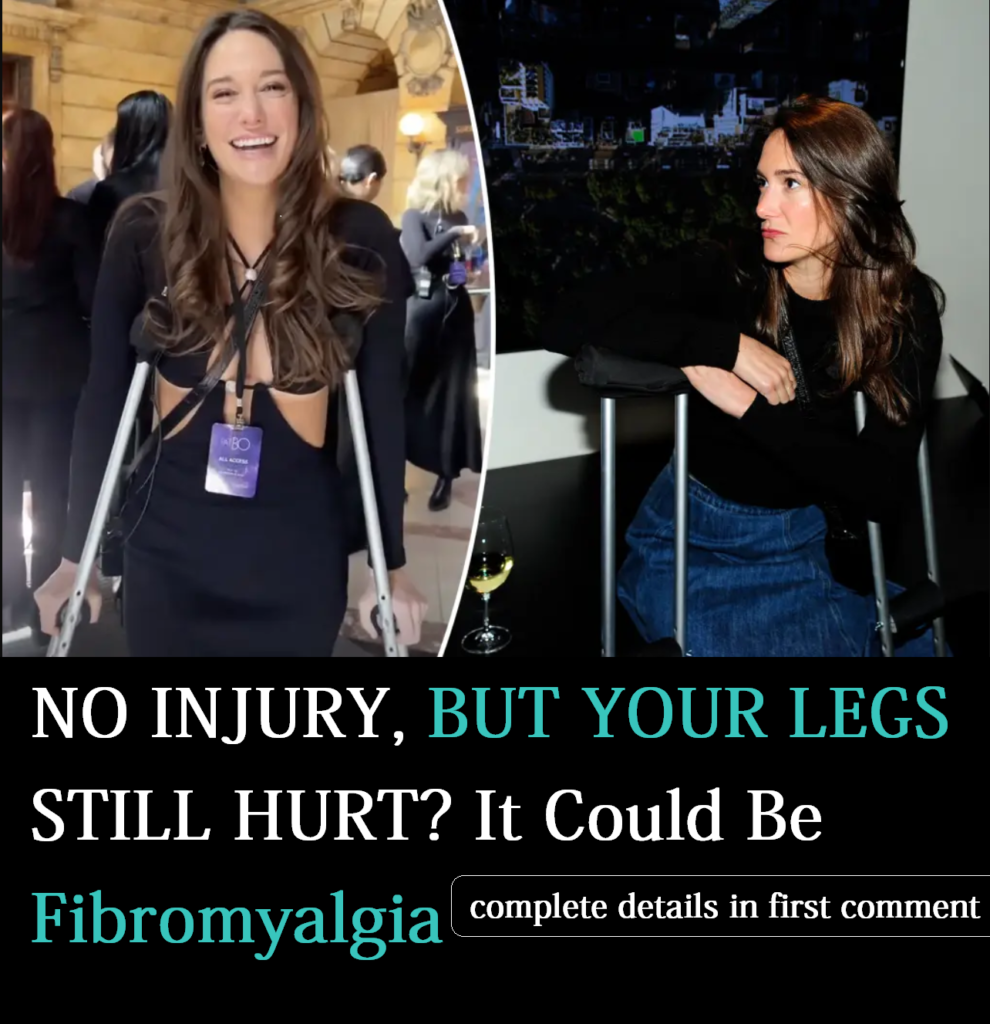
Fibromyalgia is a complex, chronic condition that affects millions of people worldwide. While it may not be visible on the outside, its effects can be deeply debilitating for those who live with it. In this blog post, we dive into a heartfelt letter from someone who lives with fibromyalgia, seeking understanding, empathy, and respect. This personal narrative offers a glimpse into the life of someone battling a condition that is often misunderstood.
What is Fibromyalgia?
Before we delve into the letter, it is important to understand what fibromyalgia is. Fibromyalgia is a chronic condition characterized by widespread muscle pain, fatigue, and tenderness in localized areas. The exact cause of fibromyalgia is still not fully understood, but it is believed to involve an abnormal response to pain signals in the brain and nervous system. It often coexists with other conditions, including anxiety, depression, and sleep disturbances. Despite its prevalence, fibromyalgia is often invisible to the outside world, which can contribute to the misunderstandings and stigma faced by those who live with it.
The Unseen Pain of Fibromyalgia
In the letter, the writer describes the pain they experience as a constant companion, one that is always present but fluctuates in intensity. This pain is unlike any ordinary ache or soreness. It’s a pain that spreads through the muscles, hardens the joints, and often leaves a person feeling like they are carrying a heavy weight throughout the day.
The invisible nature of fibromyalgia is one of its greatest challenges. Many people who suffer from it look perfectly fine on the outside, leading others to believe that they are exaggerating or being overly sensitive. The truth is that fibromyalgia’s pain is not something that can be seen, and this invisibility often leads to feelings of isolation and frustration for those who suffer from it.
Chronic Fatigue: More Than Just Being Tired
One of the hallmark symptoms of fibromyalgia is fatigue. But this fatigue is unlike the tiredness that most people experience after a long day at work or a busy weekend. For those with fibromyalgia, rest does not provide relief. The writer of the letter describes waking up feeling as though they never actually slept, exhausted even after a full night’s rest.
This constant fatigue is often compounded by sleep disturbances, which are common among people with fibromyalgia. Poor sleep can lead to a vicious cycle where fatigue exacerbates pain, and pain makes it difficult to sleep, leaving the person trapped in a never-ending loop of exhaustion. Simple tasks like running errands or meeting deadlines become monumental challenges when the body refuses to cooperate.
The Emotional Toll of Fibromyalgia
Beyond the physical pain, fibromyalgia also takes an emotional toll. The writer mentions how hearing phrases like “I don’t look sick” or “It’s all in your head” can be deeply hurtful. These comments come from a lack of understanding and awareness about the condition, and they can feel like an invalidation of the person’s experience.
The emotional burden of fibromyalgia is not just about the pain but also about the constant need to explain, justify, and sometimes hide what one is going through. This can lead to feelings of shame, guilt, and frustration. People with fibromyalgia often have to make difficult decisions about what they can and cannot do, balancing their limited energy and resources. The emotional exhaustion of constantly negotiating with one’s body can be just as draining as the physical pain itself.
Living with Fibromyalgia: A Daily Challenge
The writer emphasizes that fibromyalgia doesn’t define them, but it certainly shapes their daily life. Living with fibromyalgia is a continuous act of negotiation with the body—deciding when to rest, when to push through, and when to ask for help. Every decision is calculated, as the person with fibromyalgia is always aware of the potential consequences of overexertion.
For example, they may need to cancel plans or withdraw from social gatherings, not because they don’t care about their relationships, but because they are prioritizing their health and survival. This can be incredibly isolating, as others may not understand the reasoning behind these decisions. This lack of understanding can make it even more difficult for people with fibromyalgia to maintain social connections and engage in normal activities.
Seeking Understanding and Empathy
The writer’s plea for empathy and respect is at the heart of this letter. They ask that others believe them when they say they are in pain and that they respect their need to stop and rest. The letter emphasizes that fibromyalgia doesn’t have a one-size-fits-all presentation. Some days are better than others, but this doesn’t negate the fact that there are also bad days.
It’s crucial for people without fibromyalgia to understand that just because someone looks fine on the outside doesn’t mean they are free from pain or fatigue. Fibromyalgia is a daily challenge, and each day presents new obstacles and hurdles. By showing empathy and understanding, we can help reduce the stigma surrounding this condition and create a more supportive environment for those who are suffering.
Conclusion: A Call for Compassion
Fibromyalgia may not always be visible, but its impact is undeniable. The letter from someone living with fibromyalgia serves as a reminder that people with chronic conditions like fibromyalgia often face both physical and emotional battles. By offering empathy, understanding, and support, we can help those with fibromyalgia feel seen, heard, and validated in their experiences.
Fibromyalgia is a complex condition that affects many aspects of a person’s life, from their physical health to their emotional well-being. It’s not just about the pain—it’s about the daily struggles, the emotional toll, and the invisible battle that many people face. The letter is a silent plea for understanding, asking others to recognize that even when nothing is visible, there is always something being felt.
We can all do our part to help raise awareness about fibromyalgia and other invisible illnesses. By educating ourselves, being compassionate, and offering support, we can create a more inclusive and empathetic world for everyone, regardless of the challenges they may face.