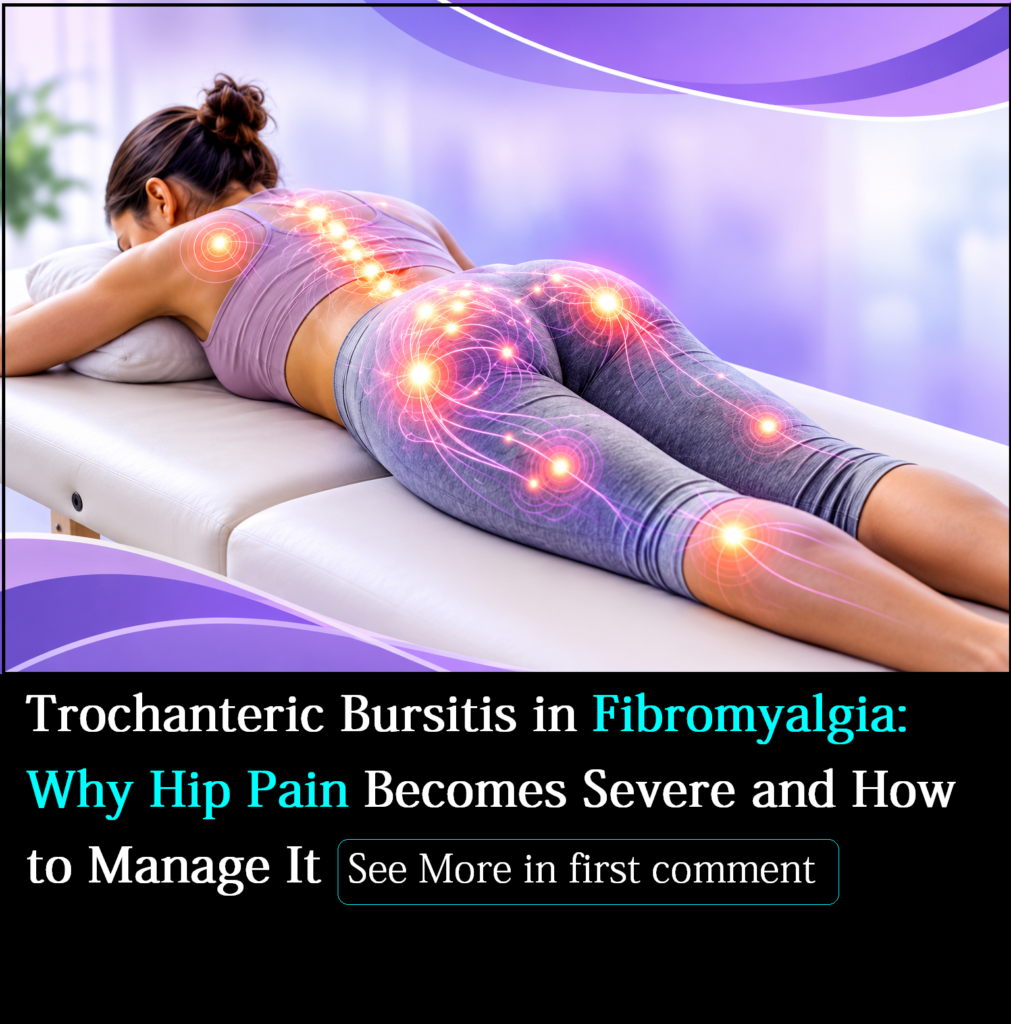
Fibromyalgia is a complex and often misunderstood condition. One of the most common—and distressing—questions people ask after diagnosis is: How long does a fibromyalgia attack last? Unfortunately, there is no single, simple answer. A fibromyalgia crisis does not follow a fixed timeline, nor does it behave the same way in every individual.
For some, a flare may pass within hours. For others, it can stretch into weeks or even months, disrupting daily life, work, relationships, and emotional well-being. Understanding why these attacks vary, what prolongs them, and how to respond with care can make a meaningful difference in managing the condition.
This article explores the duration of fibromyalgia attacks in depth, explains common triggers and symptoms, and offers insight grounded in lived experience and clinical understanding.
Understanding Fibromyalgia Attacks and Crises
A fibromyalgia attack—also called a flare or crisis—is a period when symptoms intensify beyond a person’s usual baseline. These episodes are not random or imagined; they are the result of a nervous system that is overwhelmed and struggling to regulate pain signals properly.
Fibromyalgia is associated with central sensitization, meaning the brain and spinal cord amplify pain signals instead of filtering them. During a crisis, this amplification becomes stronger, causing pain, fatigue, and sensory sensitivity to spike.
Importantly, a fibromyalgia crisis is not a sign of weakness or lack of effort. It reflects a body that has reached its limit and needs time to recalibrate.
How Long Can a Fibromyalgia Attack Last?
There is no fixed duration for a fibromyalgia crisis. The length varies widely depending on the individual, their triggers, and their physical and emotional state at the time of the flare.
Fibromyalgia Attacks That Last a Few Hours
In milder cases, a flare may last only a few hours. Pain and fatigue increase temporarily, often after exertion, emotional stress, or poor sleep. With rest, hydration, gentle movement, and symptom-aware pacing, the body may gradually settle.
These shorter episodes are more common in people whose fibromyalgia is relatively well-managed and who recognize early warning signs.
Fibromyalgia Crises That Last Several Days
For many people, this is the most common scenario. A flare can last several days, during which pain becomes more intense, sleep quality deteriorates, and fatigue deepens. Tasks that normally feel manageable—such as cooking, showering, or concentrating—can suddenly feel overwhelming.
During these periods, the body may feel heavy, stiff, and unresponsive. Even rest may not feel restorative, adding to frustration and emotional strain.
Fibromyalgia Flares That Last Weeks
When triggers persist, fibromyalgia attacks can extend into weeks. Chronic stress, ongoing sleep deprivation, emotional overload, or repeated physical strain can prevent the nervous system from calming down.
At this stage, symptoms often layer on top of each other. Pain fuels poor sleep, poor sleep increases fatigue, fatigue worsens mood, and emotional distress feeds back into physical symptoms. Without intervention or adjustments, the cycle becomes difficult to break.
Prolonged Fibromyalgia Crises Lasting Months
In some cases, a fibromyalgia crisis can last months. These prolonged flares usually occur when the condition is poorly controlled or when multiple stressors overlap—such as illness, trauma, unmanaged anxiety or depression, or lack of adequate support.
Long-term flares can feel discouraging and frightening. However, even prolonged crises are not permanent states. With appropriate care, symptom awareness, and gradual recalibration, improvement is possible.
What Factors Can Prolong a Fibromyalgia Crisis?
Understanding what extends a flare can help reduce its intensity or duration. While triggers differ from person to person, several factors are commonly associated with longer fibromyalgia attacks.
Intense Emotional Stress
Stress is one of the most powerful triggers for fibromyalgia flares. Emotional stress activates the body’s threat response, flooding the nervous system with stress hormones that heighten pain sensitivity.
Unresolved stress, trauma, grief, or constant pressure can keep the nervous system in a state of alert, making recovery slower and more difficult.
Excessive Physical Activity or Repetitive Effort
Overexertion—especially repetitive or high-impact activity—can overwhelm muscles and nerves. Even activities that seem minor to others may be taxing for someone with fibromyalgia.
Ignoring early signs of fatigue or pain often leads to longer, more intense flares.
Non-Restorative Sleep
Sleep disturbances are a hallmark of fibromyalgia. During a crisis, deep restorative sleep becomes even more elusive. Without quality sleep, the body cannot repair tissues or regulate pain signals effectively.
Poor sleep doesn’t just accompany a flare—it actively prolongs it.
Sudden Climate or Weather Changes
Many people with fibromyalgia report increased symptoms during cold weather, high humidity, or rapid changes in barometric pressure. While the exact mechanism is still being studied, environmental changes can influence nerve sensitivity and muscle stiffness.
Uncontrolled Anxiety and Depression
Mental health and fibromyalgia are deeply interconnected. Anxiety and depression can intensify pain perception, lower pain tolerance, and disrupt sleep, all of which extend the duration of flares.
Addressing emotional health is not optional—it is a core component of fibromyalgia management.
Infections or Coexisting Conditions
Illnesses such as viral infections, autoimmune disorders, or hormonal imbalances can exacerbate fibromyalgia symptoms and delay recovery from a flare.
Common Symptoms During a Fibromyalgia Crisis
Fibromyalgia flares affect far more than just pain. During a crisis, symptoms often intensify across multiple systems.
Increased Widespread Pain
Pain may become sharper, deeper, or more diffuse. Muscles can feel as though they are burning, aching, or bruised, even without visible inflammation.
Extreme Fatigue
This is not ordinary tiredness. It is a profound exhaustion that does not improve with rest and can make even simple movements feel impossible.
Muscle Stiffness
Stiffness is often worse in the morning or after periods of inactivity. Muscles may feel tight, locked, or resistant to movement.
Cognitive Difficulties (Fibro Fog)
Many people experience difficulty concentrating, memory lapses, slowed thinking, or confusion during a flare. This can be distressing and impact work or communication.
Sensory Sensitivity
Sensitivity to touch, light, sounds, and even smells often increases. Clothing may feel painful against the skin, and normal levels of noise can feel overwhelming.
Mood Changes
Low mood, irritability, anxiety, and emotional vulnerability are common during a fibromyalgia crisis. These changes are physiological, not personal failures.
Why Fibromyalgia Crises Are Often Misunderstood
One of the hardest aspects of fibromyalgia is invisibility. During a flare, there may be no outward signs of illness, leading others to underestimate its severity.
Fibromyalgia crises are sometimes dismissed as exaggeration, lack of motivation, or emotional weakness. In reality, they reflect neurological overload. The nervous system is working overtime, amplifying pain signals and struggling to regain balance.
Validation—both from others and from oneself—is essential for healing.
Can You Shorten a Fibromyalgia Attack?
While not every flare can be prevented or shortened, certain strategies may help reduce its intensity or duration over time.
Recognizing early warning signs, respecting physical limits, prioritizing sleep, managing stress proactively, and seeking appropriate medical and emotional support all contribute to better outcomes.
Recovery from a flare is rarely linear. Progress may be slow, uneven, and frustrating—but every small step matters.
Living With Fibromyalgia: Patience, Care, and Self-Respect
A fibromyalgia crisis is not a personal failure. It is not a lack of willpower or resilience. It is a sign that the body and nervous system are overwhelmed and need time, care, and understanding to reorganize.
Learning to live with fibromyalgia involves redefining productivity, honoring limits, and practicing compassion toward oneself. Improvement is possible—not through force, but through balance, awareness, and respect for the body’s signals.
Final Thoughts: There Is No “Normal” Duration
So, how long does a fibromyalgia attack last? The honest answer is: as long as the nervous system needs.
It may last hours, days, weeks, or longer. Each flare is unique, shaped by physical, emotional, and environmental factors. What matters most is not comparing timelines, but responding with patience, informed care, and realistic expectations.
Fibromyalgia is real. Its crises are real. And those living with it deserve understanding, not judgment.