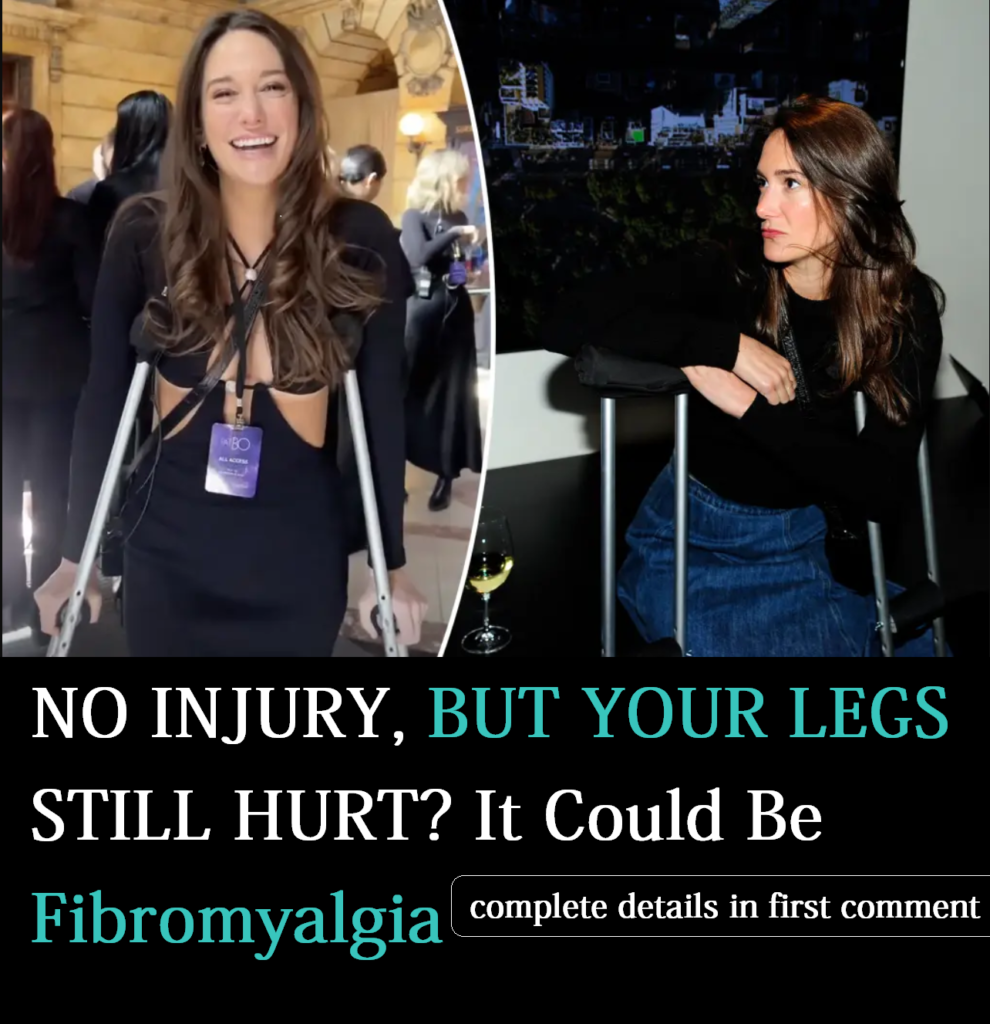
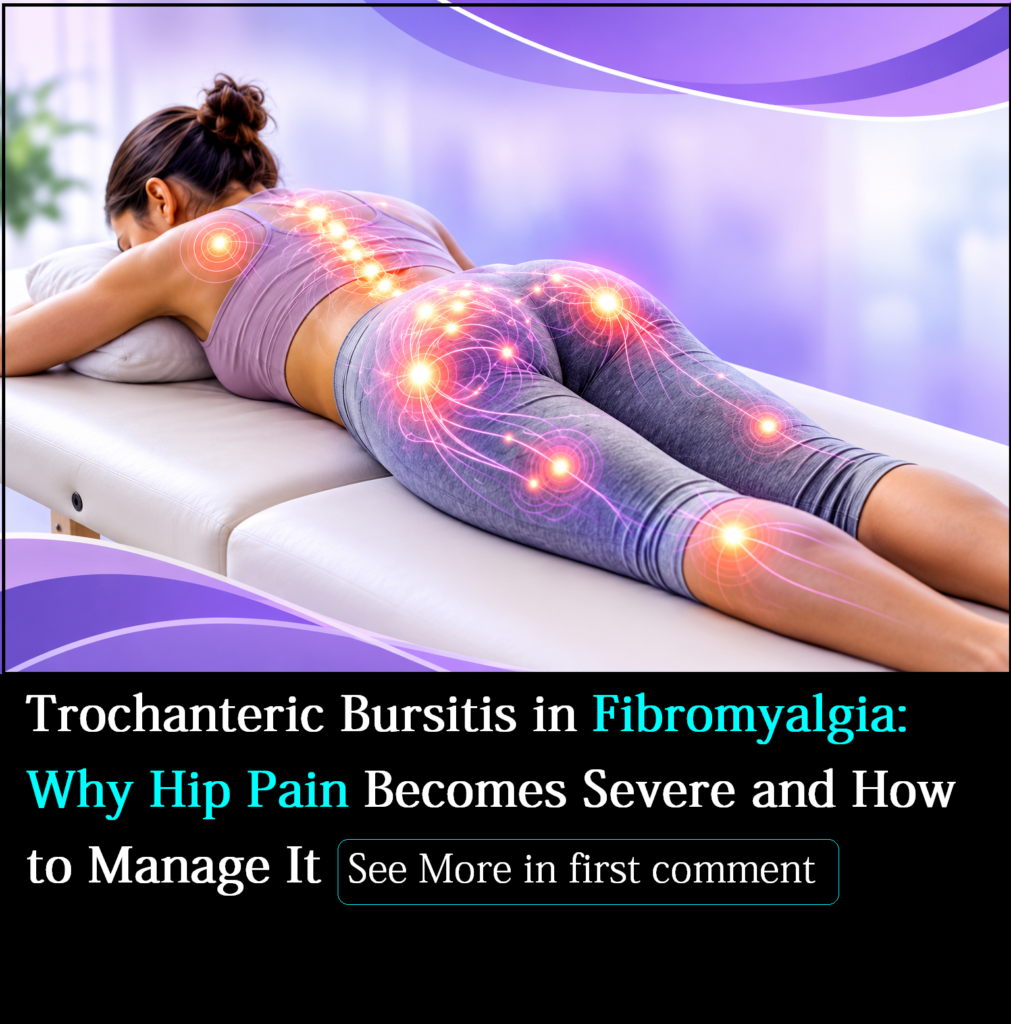
Leg pain is one of the most common yet misunderstood symptoms of fibromyalgia. For many people, it becomes the symptom that interferes most with daily life—walking, standing, climbing stairs, or even resting comfortably. Despite its intensity, leg pain in fibromyalgia often goes unseen and unvalidated because medical tests rarely show visible damage.
This pain is not imagined. It is not weakness. And it is not “just sore muscles.”
Fibromyalgia leg pain is the result of how the nervous system processes pain, not an injury that can be spotted on an X-ray or blood test. Understanding why it happens, how it feels, and what worsens it is the first step toward managing it with compassion rather than self-blame.
Understanding Fibromyalgia and Chronic Leg Pain
Fibromyalgia is a central nervous system disorder that affects how the brain and spinal cord interpret pain signals. Instead of filtering sensations normally, the nervous system becomes overprotective and overreactive.
In simple terms, the brain begins to treat ordinary sensations—pressure, movement, temperature—as potential threats. As a result, pain signals are amplified.
Leg pain in fibromyalgia is not a secondary symptom. It is a core manifestation of this altered pain processing.
Why Leg Pain Is So Common in Fibromyalgia
The legs play a critical role in almost everything we do. They support body weight, maintain balance, and allow movement throughout the day. Because of this constant use, they are especially vulnerable to pain amplification.
High Nerve Density in the Legs
The legs contain a large network of nerve endings that communicate continuously with the brain. In fibromyalgia, these nerve pathways become hypersensitive, sending exaggerated pain signals even when no injury is present.
Constant Load and Repetitive Movement
Walking, standing, sitting, climbing stairs, or even lying down all involve the legs in some way. When the nervous system is already on high alert, repeated use can quickly lead to pain, stiffness, and fatigue.
Reduced Pain Inhibition
In healthy individuals, the brain dampens unnecessary pain signals. In fibromyalgia, this inhibition is reduced, allowing discomfort to escalate into persistent pain.
What Fibromyalgia Leg Pain Feels Like
One of the most frustrating aspects of fibromyalgia leg pain is that it does not feel the same for everyone, and even in one person, it can change from day to day.
Common Sensations Reported
People with fibromyalgia often describe leg pain as:
-
Deep, aching pain that feels hard to pinpoint
-
Diffuse pain that moves or spreads
-
A sensation of heaviness or pressure
-
Burning or warm discomfort
-
Sharp, electric-like jolts or “kicks”
-
Tingling or pins-and-needles feelings
-
Muscle stiffness and cramping
-
Extreme fatigue in the legs, especially in the morning
This pain may affect the thighs, calves, knees, ankles, or feet—or all of them at once.
Morning Stiffness and Muscle Fatigue
Many people with fibromyalgia wake up feeling as though they have run a marathon overnight. Morning leg stiffness is common and can make the first steps of the day especially painful.
This stiffness is not due to inflammation but rather prolonged muscle tension and altered pain signaling during sleep. Poor sleep quality, which is common in fibromyalgia, further intensifies this symptom.
Why Leg Pain Gets Worse Throughout the Day
Fibromyalgia leg pain often increases as the day goes on. Even minimal physical effort can feel exhausting.
Accumulated Sensory Input
Each movement adds sensory information to an already overloaded nervous system. By evening, the brain may interpret this accumulation as danger, intensifying pain.
Muscle Deconditioning
Because pain limits movement, muscles can gradually weaken. This creates a cycle where even small activities demand more effort, leading to increased discomfort.
Why Medical Tests Often Show “Nothing Wrong”
One of the most emotionally damaging aspects of fibromyalgia leg pain is being told that test results are normal.
No Structural Damage
Fibromyalgia does not cause visible injury to muscles, joints, or bones. MRI scans, X-rays, and blood tests typically appear normal.
Central Sensitization
The true issue lies in central sensitization, a condition in which the nervous system remains stuck in a heightened state of alert. The pain is real, but it originates in pain processing rather than tissue damage.
Being told “there’s nothing wrong” can lead to self-doubt, frustration, and delayed diagnosis.
Factors That Intensify Leg Pain in Fibromyalgia
Fibromyalgia leg pain is highly sensitive to internal and external stressors. Certain factors are known to make symptoms worse.
1. Fatigue and Poor Sleep
Lack of restorative sleep increases pain sensitivity. Sleepless nights often lead to heavier, more painful legs the following day.
2. Emotional Stress and Anxiety
Stress directly affects the nervous system. Emotional overload can trigger or worsen leg pain, even without physical activity.
3. Temperature Changes
Many people with fibromyalgia are sensitive to cold or heat. Sudden weather changes can cause muscle tightening and nerve irritation in the legs.
4. Staying in One Position Too Long
Sitting or standing for extended periods can increase stiffness and pain. The nervous system struggles to adapt to prolonged stillness.
The Psychological Impact of Chronic Leg Pain
Chronic leg pain doesn’t only affect the body—it affects confidence, independence, and mental health.
Fear of Movement (Kinesiophobia)
After repeated pain flare-ups, many people develop a fear of movement. This is not laziness or avoidance; it is a protective response from the brain.
Loss of Autonomy
Simple tasks like shopping, cooking, or walking short distances can feel overwhelming. Over time, this can reduce independence and self-esteem.
Fibromyalgia Leg Pain Is Not Inflammation
Unlike arthritis or inflammatory muscle diseases, fibromyalgia pain does not involve swelling, redness, or tissue damage.
Anti-inflammatory medications often provide little relief because inflammation is not the primary driver of pain. This misunderstanding leads many people to ineffective treatments and unnecessary frustration.
How Fibromyalgia Leg Pain Affects Daily Life
Living with constant leg pain can alter every aspect of daily routine.
-
Reduced mobility
-
Difficulty maintaining employment
-
Increased dependence on others
-
Social withdrawal
-
Emotional exhaustion
The pain may be invisible, but its impact is profound.
Coping Strategies for Fibromyalgia Leg Pain
While there is no cure for fibromyalgia, symptom management is possible with the right approach.
Gentle, Consistent Movement
Low-impact activities like stretching, walking, or water exercises can help maintain muscle function without overwhelming the nervous system.
Nervous System Regulation
Practices such as deep breathing, mindfulness, and pacing activities help calm overactive pain pathways.
Heat and Cold Therapy
Some people find relief with warm compresses, heated blankets, or cooling packs, depending on sensitivity.
Sleep Optimization
Improving sleep quality can significantly reduce leg pain intensity. Consistent routines and sleep hygiene are essential.
Why Validation Matters in Fibromyalgia
Being believed is therapeutic.
Fibromyalgia leg pain is not:
-
Exaggeration
-
Weakness
-
Laziness
-
A lack of effort
It is a real neurological condition that deserves understanding and appropriate care.
Living With Fibromyalgia Leg Pain: A Daily Reality
For those who live with fibromyalgia, leg pain is not an occasional inconvenience—it is a daily negotiation between ability and limitation.
Some days are manageable. Others are not. And both are valid.
When to Seek Professional Support
If leg pain is persistent, worsening, or significantly limiting daily function, working with a healthcare provider familiar with fibromyalgia is essential. Multidisciplinary approaches often provide the best outcomes.
Final Thoughts: You Are Not Imagining This Pain
Fibromyalgia leg pain is deeply felt, even when it cannot be seen. It is rooted in the nervous system, shaped by stress, fatigue, and sensory overload.
Understanding this pain does not make it disappear—but it removes blame, guilt, and self-doubt.
✨ Remember:
Pain in fibromyalgia is real.
Your experience is valid.
And you are not alone.