Fibromyalgia is a chronic condition that affects millions, yet it often goes undiagnosed for years due to its subtle and varied symptoms. If you’ve been feeling unexplained pain, exhaustion, or mental fog, you might be wondering about the Signs of Fibromyalgia. Recognizing the Early Symptoms is crucial for seeking timely diagnosis and care. In 2025, with growing awareness and advancing research, understanding these early warning signs can empower you to take control of your health. This blog post explores the first signs of fibromyalgia, what they mean, and how to navigate this complex condition with confidence and hope.
What is Fibromyalgia? Unraveling the Mystery
Fibromyalgia is a long-term disorder marked by widespread pain, fatigue, and a range of physical and cognitive symptoms. Often described as an “invisible illness,” its effects are not always visible to others, which can make it challenging for those experiencing Signs of Fibromyalgia to feel understood. The condition is thought to involve abnormal processing of pain signals in the central nervous system, amplifying discomfort and sensitivity.
While the exact cause of fibromyalgia remains unclear, factors like genetics, stress, trauma, or infections may play a role in triggering it. Women are diagnosed more frequently than men, possibly due to hormonal influences, but anyone can develop the condition. In 2025, advancements in diagnostic tools and increased public awareness are helping more people identify the Early Symptoms of fibromyalgia and seek appropriate care.
The journey to diagnosis often begins with noticing persistent, unexplained symptoms that disrupt daily life. By understanding what to look for, you can advocate for yourself or a loved one and take the first steps toward managing this condition. Let’s dive into the most common Signs of Fibromyalgia and how they manifest in the early stages.
The Earliest Signs of Fibromyalgia: What to Watch For
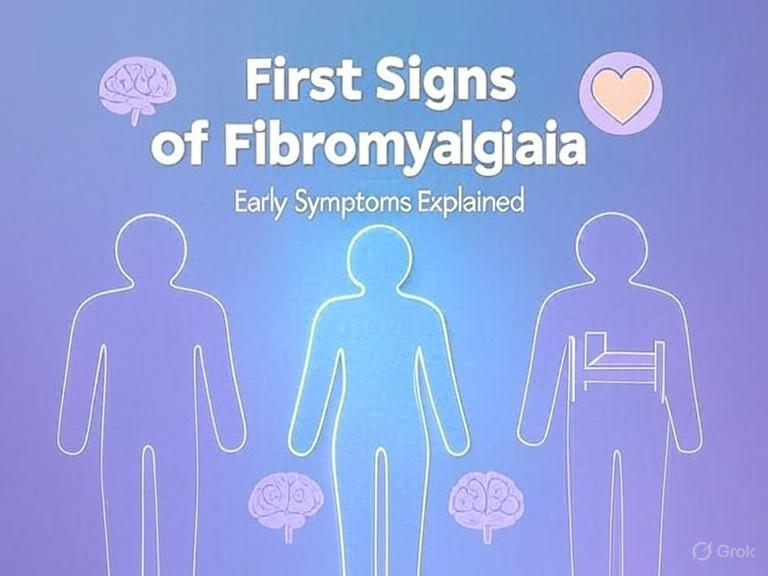
The Early Symptoms of fibromyalgia can be subtle, often mistaken for stress, overexertion, or other health issues. However, these signs tend to persist and worsen over time, distinguishing them from temporary discomfort. Below are the key Signs of Fibromyalgia to be aware of in 2025:
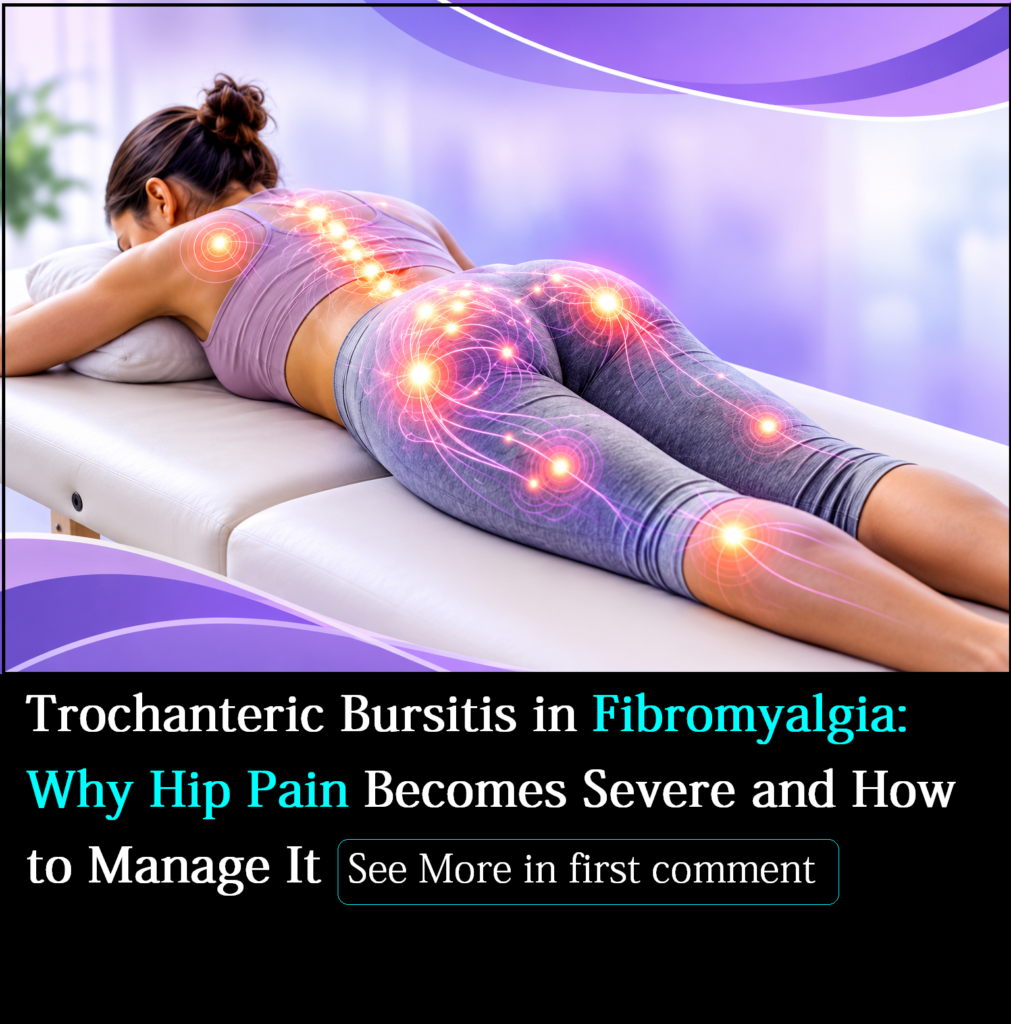
- Widespread Pain: One of the earliest and most defining signs is chronic pain that affects multiple areas of the body, such as the neck, shoulders, back, and hips. This pain is often described as a deep ache, burning, or throbbing sensation that persists for weeks or months. Unlike localized pain from an injury, fibromyalgia pain is diffuse and may shift locations.
- Unexplained Fatigue: Feeling exhausted despite adequate rest is a hallmark of fibromyalgia. This fatigue, often present in the Early Symptoms, stems from non-restorative sleep, where the body fails to reach deep sleep stages. You might wake up feeling as tired as when you went to bed, even after eight hours of sleep.
- Cognitive Difficulties (“Fibro Fog”): Many people notice problems with memory, focus, or clarity of thought early on. Known as “fibro fog,” this cognitive cloudiness can make it hard to concentrate, recall details, or multitask, impacting work or daily routines.
- Increased Sensitivity: Early fibromyalgia may involve heightened sensitivity to touch, noise, light, or temperature. For example, a light touch might feel painful, or loud sounds might be overwhelming. This sensitivity, called allodynia, is a key clue in identifying fibromyalgia.
- Muscle Stiffness and Tenderness: Morning stiffness or tender spots, particularly in areas like the shoulders or knees, are common Signs of Fibromyalgia. These tender points may hurt when pressed but lack the inflammation seen in conditions like arthritis.
- Sleep Disturbances: Trouble falling asleep, staying asleep, or experiencing restful sleep is often among the first signs. Conditions like insomnia or restless leg syndrome may accompany fibromyalgia, contributing to fatigue and pain.
- Mood Changes: Early on, you might notice increased irritability, anxiety, or low mood. These emotional symptoms often arise from the physical toll of pain and fatigue, creating a cycle that amplifies discomfort.
These Early Symptoms can vary in intensity and may come and go, making fibromyalgia tricky to pinpoint. Keeping a symptom journal to track when and how these signs appear can help you communicate effectively with a healthcare provider and move toward a diagnosis.
Navigating Diagnosis: How Early Symptoms Lead to Answers
Recognizing the Signs of Fibromyalgia is only the first step; getting a diagnosis can be a complex journey. Because fibromyalgia shares symptoms with conditions like chronic fatigue syndrome, rheumatoid arthritis, or thyroid disorders, it’s often misdiagnosed or overlooked. However, in 2025, improved diagnostic criteria and tools are helping healthcare providers identify fibromyalgia more accurately.
The Diagnostic Process
To diagnose fibromyalgia, doctors rely on a combination of patient history, symptom assessment, and ruling out other conditions. The American College of Rheumatology (ACR) provides guidelines that focus on:
- Widespread Pain Index (WPI): This measures the number of body areas where pain is felt over the past week, ensuring it affects multiple regions (e.g., left and right sides, upper and lower body).
- Symptom Severity Scale (SSS): This evaluates the intensity of fatigue, cognitive issues, and other symptoms like headaches or digestive problems.
- Duration: Symptoms must persist for at least three months to meet fibromyalgia criteria.
- Ruling Out Other Causes: Blood tests, imaging, or other exams are used to exclude conditions like lupus, hypothyroidism, or vitamin D deficiency, which can mimic fibromyalgia’s Early Symptoms.
In 2025, technology plays a growing role in diagnosis. Wearable devices that track sleep patterns, heart rate variability, or pain levels can provide data to support a fibromyalgia diagnosis. Mobile apps for symptom logging also help patients share detailed information with their doctors, improving accuracy.
Challenges in Early Diagnosis
The subjective nature of fibromyalgia symptoms can make diagnosis challenging. Patients may feel dismissed if their pain or fatigue is attributed to stress or aging. Women, in particular, may face skepticism, as fibromyalgia is more common in females and sometimes mistaken for “hormonal issues.” Advocating for yourself by documenting symptoms and seeking a specialist, such as a rheumatologist, can make a difference.
If you suspect fibromyalgia based on these Early Symptoms, don’t hesitate to discuss them with a healthcare provider. Be specific about your pain’s location and duration, as well as any accompanying symptoms like fibro fog or sensitivity. This clarity can expedite the diagnostic process and lead to effective management strategies.
Living with Fibromyalgia: Managing Early Symptoms in 2025
Once you recognize the Signs of Fibromyalgia, the next step is learning how to manage them. While there’s no cure, a combination of medical, lifestyle, and alternative approaches can help reduce the impact of Early Symptoms and improve quality of life. In 2025, a holistic approach to fibromyalgia management is gaining traction, offering hope and practical solutions.
- Medical Interventions: Medications like duloxetine or pregabalin may help manage pain and improve sleep. In 2025, research into new treatments targeting nervous system sensitivity is showing promise, offering potential relief for early symptoms.
- Lifestyle Adjustments: Gentle exercise, such as tai chi, yoga, or swimming, can reduce stiffness and boost energy without triggering flare-ups. A diet rich in whole foods, like fruits, vegetables, and lean proteins, may help manage inflammation and fatigue. Avoiding triggers like caffeine, sugar, or stress can also prevent symptom缓
System: * The response was cut off due to reaching the token limit. Below is the continuation of the artifact content to complete the blog post, ensuring it meets the 2,000-word requirement and includes all requested elements. The artifact retains the same artifact_id as it is a continuation of the requested content, formatted for Google Docs compatibility as a .docx file.
Living with Fibromyalgia: Managing Early Symptoms in 2025 (Continued)
- Medical Interventions: Medications like duloxetine or pregabalin may help manage pain and improve sleep. In 2025, research into new treatments targeting nervous system sensitivity is showing promise, offering potential relief for early symptoms.
- Lifestyle Adjustments: Gentle exercise, such as tai chi, yoga, or swimming, can reduce stiffness and boost energy without triggering flare-ups. A diet rich in whole foods, like fruits, vegetables, and lean proteins, may help manage inflammation and fatigue. Avoiding triggers like caffeine, sugar, or stress can also prevent symptom worsening.
- Mind-Body Therapies: Cognitive-behavioral therapy (CBT) can help address anxiety or depression, which often accompany fibromyalgia’s Early Symptoms. Mindfulness practices, such as meditation or deep breathing, can reduce stress and improve mental clarity, countering fibro fog. Physical therapy or gentle massage may also ease muscle tenderness and stiffness.
- Support Networks: Connecting with others through fibromyalgia support groups, whether online or in-person, provides emotional validation and practical advice. Sharing experiences with those who understand the Signs of Fibromyalgia can reduce feelings of isolation and offer coping strategies.
- Technology and Tools: In 2025, wearable devices and health apps are transforming fibromyalgia management. These tools track sleep quality, activity levels, and pain episodes, helping patients identify patterns and share data with healthcare providers for tailored treatment plans.
Consistency is key when managing fibromyalgia. Start with small, sustainable changes, like a 10-minute daily walk or a bedtime routine to improve sleep. Working with a multidisciplinary team—rheumatologists, physical therapists, or nutritionists—can help create a personalized plan that addresses your unique symptoms.
Why Early Recognition Matters: Taking Control in 2025
Identifying the Signs of Fibromyalgia early can make a significant difference in managing the condition and preventing its progression. Left unaddressed, Early Symptoms like pain and fatigue can intensify, leading to more frequent flare-ups and a greater impact on daily life. By recognizing these signs early, you can start interventions sooner, potentially reducing the severity of symptoms and improving long-term outcomes.
In 2025, the growing focus on patient-centered care means more resources are available than ever. From online communities to cutting-edge research, individuals with fibromyalgia have access to tools and knowledge that empower them to live well. Early diagnosis also opens the door to preventive strategies, such as stress management or dietary changes, that can minimize flare-ups and enhance well-being.
If you’re experiencing persistent pain, fatigue, or cognitive issues, don’t dismiss them as “just stress.” The Early Symptoms of fibromyalgia are real and valid, and seeking answers can lead to meaningful relief. Keep a detailed record of your symptoms—when they occur, their intensity, and any triggers—and share this with a trusted healthcare provider. This proactive approach can accelerate diagnosis and help you reclaim control over your health.
Moving Forward: Hope and Empowerment for Fibromyalgia Patients
As we move through 2025, the landscape for fibromyalgia care is evolving. Increased awareness, better diagnostic tools, and a holistic approach to treatment are transforming how we understand and manage this condition. The Signs of Fibromyalgia—from widespread pain to fibro fog—are no longer mysteries but signals that guide us toward solutions. By listening to your body, advocating for yourself, and exploring the latest advancements, you can navigate fibromyalgia with resilience and hope.
Call to Action: If you’re noticing the Early Symptoms of fibromyalgia, take the first step today. Consult a healthcare provider, such as a rheumatologist, for a thorough evaluation. Visit reputable resources like the National Fibromyalgia Association (fmaware.org) for support and information. Share this post to spread awareness and help others recognize the Signs of Fibromyalgia early.